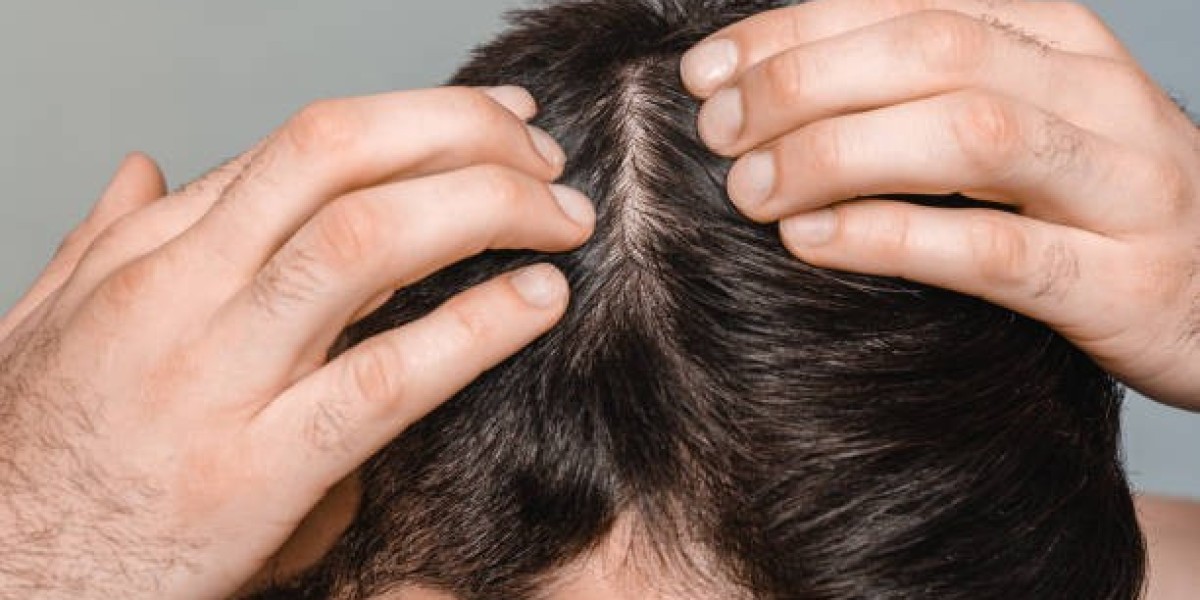

Healthy hair growth depends on several factors, including genetics, nutrition, hormonal balance, scalp health, and overall well-being. When hair begins to thin or shed excessively, identifying the underlying cause is essential for choosing an effective treatment approach. Professional hair loss treatment can help individuals understand why their hair is changing and explore suitable options based on their specific needs. Through a detailed assessment, personalized treatment planning, and appropriate follow-up, qualified professionals can help manage certain types of hair loss, support existing follicles, and improve the chances of maintaining healthier-looking hair.
Understanding the Hair Growth Cycle
Hair grows through a natural cycle consisting of three main stages: anagen, catagen, and telogen. The anagen phase is the active growth stage, during which hair follicles produce new strands. The catagen phase is a short transition period, while the telogen phase is the resting stage that eventually leads to shedding.
It is normal to lose some hair daily as part of this cycle. However, genetics, illness, stress, nutritional deficiencies, and hormonal changes can disrupt the cycle and lead to excessive shedding or gradual thinning. Understanding these changes helps professionals determine whether the hair loss is temporary, progressive, or related to a medical condition.
Why Professional Assessment Matters
Hair loss can look similar from the outside while having very different causes. Hereditary pattern hair loss, temporary shedding, autoimmune conditions, scalp infections, and nutritional deficiencies may all require different approaches. Using products without identifying the cause can delay appropriate care and may not produce the desired results.
A professional assessment typically includes reviewing medical history, family history, medications, recent illnesses, dietary habits, and the pattern of hair loss. The scalp and hair may also be examined, with blood tests or additional investigations recommended when indicated.
This process helps establish realistic treatment goals and reduces the risk of relying on unsuitable products. Professional Hair Loss Treatment in Riyadh should begin with identifying the likely cause rather than automatically recommending the same procedure to every patient.
Medical Treatments That May Support Hair Growth
Topical Minoxidil
Minoxidil is a commonly used treatment for certain types of hereditary hair loss. Applied to the scalp according to the product instructions and professional advice, it may help slow thinning and support hair growth in suitable patients. Results generally take several months to become noticeable, and ongoing use is usually needed to maintain improvements.
Some people experience scalp irritation, dryness, or temporary increased shedding after starting treatment. A healthcare professional can explain the correct application method and whether minoxidil is appropriate for an individual's circumstances.
Prescription Medications
Selected prescription medicines may help manage hereditary hair loss. For example, finasteride may be prescribed to eligible men with male-pattern hair loss. Other medicines may be considered for particular patients depending on the diagnosis and medical history.
Prescription treatments have potential side effects and are not suitable for everyone. Women who are pregnant, planning pregnancy, or breastfeeding need particular care when discussing hair-loss medication. Medical supervision helps ensure that treatment choices are appropriate and that potential risks are understood.
Platelet-Rich Plasma Therapy
Platelet-rich plasma, commonly known as PRP, is a treatment that uses a prepared portion of the patient's own blood. A blood sample is collected and processed to concentrate platelets, and the resulting preparation is injected into selected areas of the scalp.
Platelets contain growth factors that are being studied for their potential role in supporting hair follicles. Research suggests PRP may improve hair density for some people with certain forms of nonscarring hair loss, but results vary, and treatment methods are not standardized. Multiple sessions may be recommended, with maintenance sometimes considered.
PRP is not guaranteed to restore lost hair and may be less suitable for some advanced or scarring conditions. Anyone considering Hair Loss Treatment in Riyadh through PRP should discuss the available evidence, possible side effects, expected outcomes, and alternative treatments with a qualified clinician.
Hair Transplantation for Selected Patients
Hair transplantation may be an option for people experiencing established hereditary hair loss who have sufficient healthy donor hair. During surgery, follicles are taken from a donor area, usually at the back or sides of the scalp, and placed in areas affected by thinning.
Common techniques include follicular unit extraction (FUE), which removes individual follicular units, and follicular unit transplantation (FUT), which involves removing a strip of scalp. The choice depends on donor hair availability, the pattern of hair loss, scalp characteristics, and the patient's goals.
Transplanted hair grows gradually, and visible results can take many months to develop. Surgery does not prevent future thinning in untreated areas, so ongoing medical management may still be recommended. A qualified surgeon should explain the potential benefits, limitations, recovery process, and risks before treatment.
The Role of Nutrition and Scalp Care
Healthy hair growth requires adequate nutrition, including sufficient protein and essential vitamins and minerals. Iron deficiency and other nutritional problems can contribute to shedding, while restrictive diets and rapid weight loss may disrupt the hair growth cycle.
A balanced diet supports overall health, but supplements are most useful when a deficiency or specific need has been identified. Excessive intake of certain vitamins and minerals can be harmful and may even worsen hair loss.
Gentle scalp care is also important. Limiting excessive heat styling, avoiding hairstyles that pull tightly on the roots, and reducing harsh chemical treatments can help prevent breakage. These practices support hair condition but cannot independently reverse every type of hair loss.
How Personalized Treatment Plans Improve Hair Care
An individualized plan considers the cause of hair loss, its severity, the patient's health, and the expected response to treatment. Some people may benefit from medication, while others may need treatment for a scalp condition, correction of a nutritional deficiency, or consideration of a procedure.
Follow-up appointments help assess progress, review side effects, and determine whether adjustments are needed. Because hair grows slowly, improvement often takes several months. Consistent use of prescribed treatments and realistic expectations are important for evaluating results.
Professional care also helps identify situations that need further medical investigation, such as sudden patchy hair loss, scalp pain, redness, or persistent inflammation.
Who May Benefit From Professional Hair Loss Care?
Men and women with gradual thinning, increased shedding, or changes in hair density may benefit from an assessment. People who notice a receding hairline, a widening part, or hair loss following an illness may also need guidance to determine the cause.
The best treatment depends on the diagnosis, and not everyone requires a procedure or medication. Early assessment can be especially helpful when hair loss is progressing or when symptoms suggest an underlying health problem.
Conclusion
Professional hair-loss care can support healthier hair growth by identifying the cause of thinning, selecting appropriate treatments, and monitoring progress over time. Options may include topical medication, selected prescription treatments, PRP therapy, hair transplantation, and addressing nutritional or medical issues. Results vary, and no treatment can guarantee complete regrowth, but a personalized approach can help people make informed decisions about their hair health.
If you are concerned about thinning hair or excessive shedding, contact Royal Clinic Saudia to arrange a consultation. A professional assessment can help you explore suitable Hair Loss Treatment in Riyadh options based on your hair concerns, medical history, and individual goals.