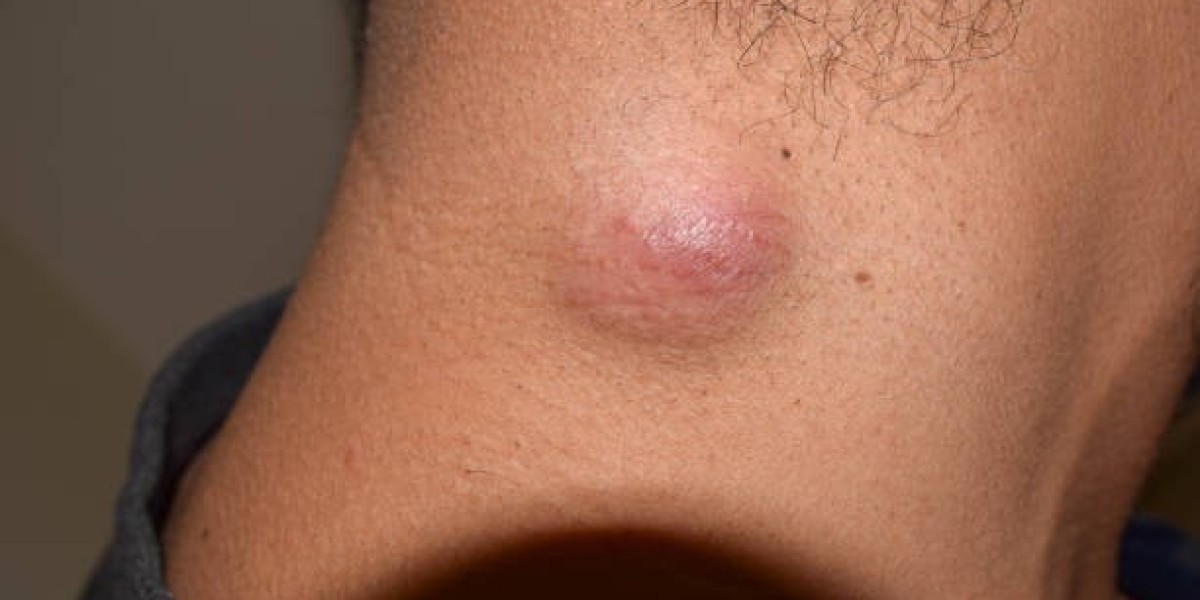

Although these lumps are usually harmless, they can sometimes become uncomfortable, inflamed, or infected. Understanding what happens during sebaceous cyst removal can help you feel more confident about seeking treatment and knowing what to expect before, during, and after the procedure.
When researching treatment options, patients may also look for information about cyst surgery cost and the factors that influence their treatment experience. However, the appropriate approach depends on the cyst's size, location, symptoms, and whether inflammation or infection is present. Learning about the removal process can help you make an informed decision and prepare for a consultation with a qualified healthcare professional.
What Is Sebaceous Cyst Removal?
Sebaceous cyst removal is a minor surgical procedure designed to remove a cyst beneath the skin. Although the term sebaceous cyst is commonly used, many of these lumps are technically epidermoid cysts, which develop from skin cells and contain keratin.
The primary goal of treatment is to remove the cyst and, when possible, its entire surrounding capsule. Removing the capsule helps reduce the likelihood of the cyst returning. A healthcare professional will examine the lump before recommending treatment to confirm whether removal is appropriate.
When Is Cyst Removal Necessary?
Not every cyst requires treatment. Small, painless cysts that remain unchanged may simply need monitoring. However, removal may be recommended if the cyst grows, causes discomfort, becomes repeatedly inflamed, interferes with daily activities, or creates cosmetic concerns.
If a lump becomes red, warm, increasingly painful, or begins draining pus, medical assessment is important because these symptoms may indicate infection. Sudden changes in a lump should not be ignored, as not every skin lump is a cyst.
What Happens Before the Procedure?
Before removal, the healthcare professional examines the cyst, evaluates its size and location, and asks about symptoms or previous inflammation. This assessment helps determine the most suitable technique and whether additional evaluation is necessary.
Patients should explain any allergies, medical conditions, medications, or history of bleeding problems. The clinician may provide instructions about preparing for the procedure, particularly if the cyst is large or located in a sensitive area.
Preparing the Skin
The treatment area is cleaned with an antiseptic solution to reduce the risk of infection. The clinician then explains the planned steps and answers any questions. Most straightforward cyst removals are performed using local anesthesia, allowing the patient to remain awake while the treatment area becomes numb.
How Is Sebaceous Cyst Removal Performed?
The exact technique depends on the cyst's characteristics. In many cases, removal is performed as an outpatient procedure, meaning patients can return home afterward.
Applying Local Anesthesia
The clinician injects a local anesthetic around the cyst. A brief stinging sensation may occur during the injection, followed by numbness in the treatment area. Patients may feel pressure or movement during the procedure, but they should not experience significant sharp pain. Any discomfort should be communicated to the clinician.
Making a Small Incision
Once the area is numb, the clinician makes a small incision in the skin over the cyst. The cyst's contents and surrounding capsule are carefully addressed using an appropriate surgical technique.
Complete capsule removal is often the preferred approach when feasible because leaving part of the capsule behind can increase the chance of recurrence. If the cyst is severely inflamed or infected, immediate complete removal may not be suitable, and treatment may need to be staged.
Closing and Dressing the Wound
Depending on the incision and cyst size, the wound may be closed with stitches or left open when drainage is necessary. A suitable dressing is applied to protect the area. The clinician provides instructions for keeping the wound clean and arranging any necessary follow-up appointments.
What Happens After Sebaceous Cyst Removal?
Mild tenderness, swelling, bruising, or redness may occur after the procedure. These effects generally improve as the wound heals. Recovery time varies according to the cyst's location, size, removal technique, and individual healing response.
Aftercare and Healing
Patients should follow the wound-care instructions provided by their healthcare professional. Keeping the area clean, changing dressings as directed, and avoiding unnecessary pressure or friction can support healing. If stitches are used, the clinician will explain whether and when they need to be removed.
Contact a healthcare professional if you develop increasing pain, spreading redness, worsening swelling, fever, or persistent drainage. These symptoms may indicate a complication that requires assessment.
Frequently Asked Questions
Is sebaceous cyst removal painful?
Local anesthesia is commonly used to numb the treatment area. Patients may feel a brief sting during the injection and some pressure during removal, but significant pain should be reported to the clinician.
How long does sebaceous cyst removal take?
Many straightforward procedures take approximately 20 to 45 minutes, although the duration varies according to the cyst's size, location, and complexity.
Will a sebaceous cyst return after removal?
A cyst can return if part of its capsule remains or if a new cyst develops nearby. Removing the capsule completely, when appropriate, helps reduce the risk of recurrence.
Will sebaceous cyst removal leave a scar?
Any procedure that involves an incision can leave a scar. Its appearance depends on the incision, cyst location, healing process, and aftercare.
When can I return to normal activities?
Many patients resume light daily activities relatively quickly. Strenuous exercise or activities that stretch the wound may need to be avoided until healing progresses, according to the clinician's instructions.
Book a Consultation at Enfield Royal Clinic
If you have a persistent, uncomfortable, or changing skin lump, a professional assessment can help determine the right next step. Enfield Royal Clinic can be a starting point for discussing your concerns, understanding available treatment options, and learning how to care for the area after removal. Arrange a consultation to receive guidance suited to your skin concerns and individual needs.