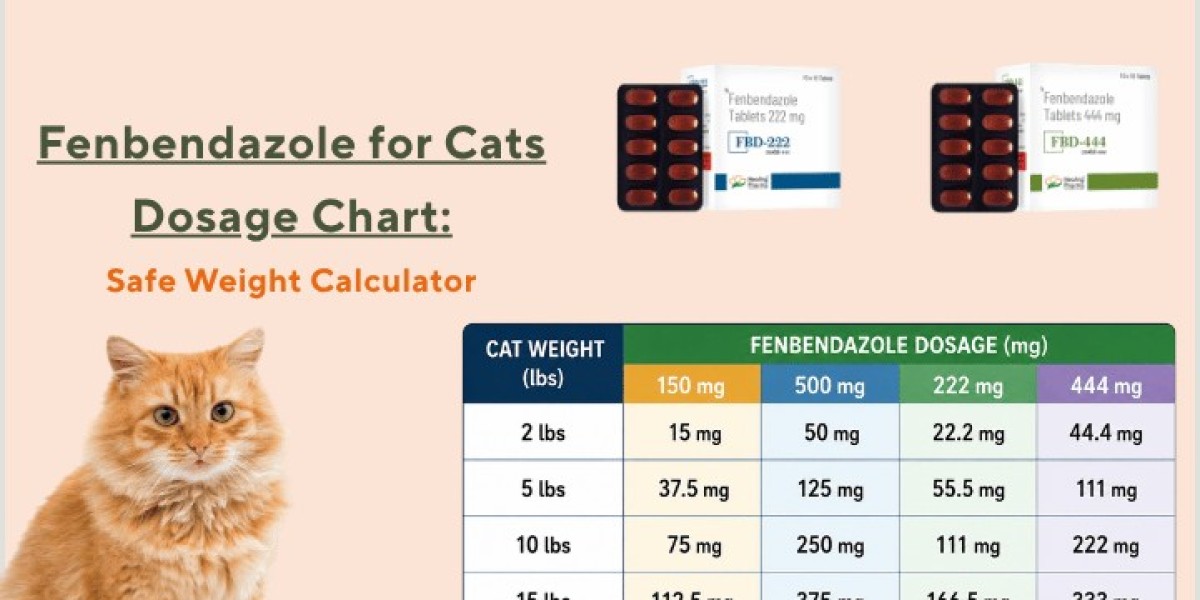

If your veterinarian has prescribed Fenbendazole for cats, understanding the correct dosage is essential for your cat's health and recovery. Fenbendazole is a broad-spectrum deworming medication commonly used to treat various intestinal parasites, including roundworms, hookworms, whipworms, and certain tapeworms. It is also sometimes prescribed for Giardia infections as part of a treatment plan.
This guide from Medslike.com explains the Fenbendazole for Cats Dosage Chart by Weight, how the medication works, recommended dosing, possible side effects, and frequently asked questions. While Fenbendazole is considered safe for most cats, it should always be administered under veterinary guidance.
What Is Fenbendazole?
Fenbendazole belongs to the benzimidazole class of antiparasitic medications. It works by interfering with the parasite's ability to absorb nutrients, eventually killing the worms and allowing your cat to eliminate them naturally through the digestive system.
Veterinarians often prescribe Fenbendazole because it has a wide safety margin and is effective against multiple intestinal parasites.
Fenbendazole is available in several forms, including:
- Oral suspension (liquid)
- Granules
- Powder
- Tablets
- Paste
The correct dosage depends primarily on your cat's body weight and the condition being treated.
Fenbendazole for Cats Dosage Chart by Weight
The commonly recommended dosage is 50 mg per kilogram (kg) of body weight once daily for 3 to 5 consecutive days, depending on the parasite being treated.
| Cat Weight | Weight (kg) | Recommended Daily Dose |
|---|---|---|
| 2.2 lbs | 1 kg | 50 mg |
| 4.4 lbs | 2 kg | 100 mg |
| 6.6 lbs | 3 kg | 150 mg |
| 8.8 lbs | 4 kg | 200 mg |
| 11 lbs | 5 kg | 250 mg |
| 13.2 lbs | 6 kg | 300 mg |
| 15.4 lbs | 7 kg | 350 mg |
| 17.6 lbs | 8 kg | 400 mg |
Important: This chart is for general educational purposes. Always follow the dosage prescribed by your veterinarian.
What Parasites Does Fenbendazole Treat?
Fenbendazole is commonly prescribed to treat:
- Roundworms
- Hookworms
- Whipworms
- Certain tapeworm species
- Giardia (when recommended by a veterinarian)
Not every intestinal parasite responds to Fenbendazole. Your veterinarian may recommend a different medication depending on the diagnosis.
How to Give Fenbendazole to Cats
Administering Fenbendazole to cats is generally straightforward.
Here are a few helpful tips:
- Give the medication with food if instructed.
- Measure liquid formulations carefully using the supplied syringe.
- Complete the full treatment course even if symptoms improve.
- Avoid skipping doses.
- Store the medication according to the manufacturer's instructions.
Many cats tolerate the liquid formulation well when mixed with a small amount of wet food.
How Long Does Fenbendazole Take to Work?
Fenbendazole begins acting soon after administration, although visible improvement may take several days.
Typical timeline:
- Starts working within 24 hours
- Parasites begin dying during treatment
- Symptoms often improve within several days
- Complete parasite elimination may require the full prescribed course
For Giardia infections, veterinarians may recommend additional medications or longer treatment depending on the severity.
Signs Your Cat May Need Deworming
Cats infected with intestinal worms may show symptoms such as:
- Vomiting
- Diarrhea
- Weight loss
- Pot-bellied appearance
- Poor coat condition
- Worms visible in stool
- Scooting
- Reduced appetite
- Lethargy
Some infected cats may not show any obvious symptoms, making routine veterinary examinations important.
Possible Side Effects
Fenbendazole is generally considered one of the safer deworming medications for cats.
Occasionally, mild side effects may occur, including:
- Vomiting
- Soft stools
- Temporary diarrhea
- Mild drooling
- Reduced appetite
These reactions are usually temporary.
Contact your veterinarian immediately if your cat experiences:
- Severe vomiting
- Persistent diarrhea
- Difficulty breathing
- Facial swelling
- Extreme weakness
- Allergic reactions
Can Kittens Take Fenbendazole?
Yes. Veterinarians frequently prescribe Fenbendazole for kittens when appropriate.
Because kittens are more vulnerable to intestinal parasites, accurate dosing based on body weight is especially important. Never estimate a kitten's weight—use a scale whenever possible.
Can Pregnant or Nursing Cats Take Fenbendazole?
Fenbendazole may be used in certain situations during pregnancy or nursing, but only under veterinary supervision.
Your veterinarian will determine whether the benefits outweigh any potential risks.
Tips for Safe Treatment
To help ensure successful treatment:
- Weigh your cat before dosing.
- Use the exact dosage prescribed.
- Finish the complete treatment course.
- Clean litter boxes daily during treatment.
- Wash food and water bowls regularly.
- Treat other household pets if recommended.
- Schedule follow-up fecal examinations if advised.
Maintaining good hygiene helps reduce the chance of reinfection.
Preventing Future Parasite Infections
After successful treatment, prevention is equally important.
Helpful prevention strategies include:
- Regular veterinary wellness exams
- Routine fecal testing
- Monthly parasite prevention when recommended
- Keeping litter boxes clean
- Limiting hunting of rodents and birds
- Controlling fleas
- Maintaining indoor living whenever possible
These steps can significantly reduce the risk of future infections.
Frequently Asked Questions
What is the standard Fenbendazole dosage for cats?
The commonly recommended dosage is 50 mg/kg once daily for 3–5 days, depending on the parasite being treated and your veterinarian's recommendation.
Can Fenbendazole treat Giardia in cats?
Yes. Fenbendazole is sometimes prescribed as part of a treatment plan for Giardia, although additional medications may also be required.
Is Fenbendazole safe for cats?
When used as directed by a veterinarian, Fenbendazole is generally considered safe and well tolerated.
Can I buy Fenbendazole without a prescription?
Availability varies by country. Even if available over the counter, it should only be used after veterinary diagnosis to ensure the correct parasite is being treated.
What should I do if I miss a dose?
Give the missed dose as soon as you remember unless it is nearly time for the next scheduled dose. Do not give a double dose.
Final Thoughts
Using the correct Fenbendazole for Cats Dosage Chart by Weight is essential for effective parasite treatment and your cat's overall well-being. Since dosage is based on body weight and the specific parasite involved, always consult your veterinarian before beginning treatment.
While Fenbendazole is widely regarded as a safe and effective dewormer, proper diagnosis, accurate dosing, and completing the prescribed course are the keys to successful treatment. Monitoring your cat during therapy and practicing good hygiene can help prevent reinfection and support long-term health.
At Medslike.com, our goal is to provide reliable, easy-to-understand health information for pet owners. If your cat shows signs of intestinal parasites or digestive issues, seek professional veterinary advice to ensure the safest and most effective treatment plan.