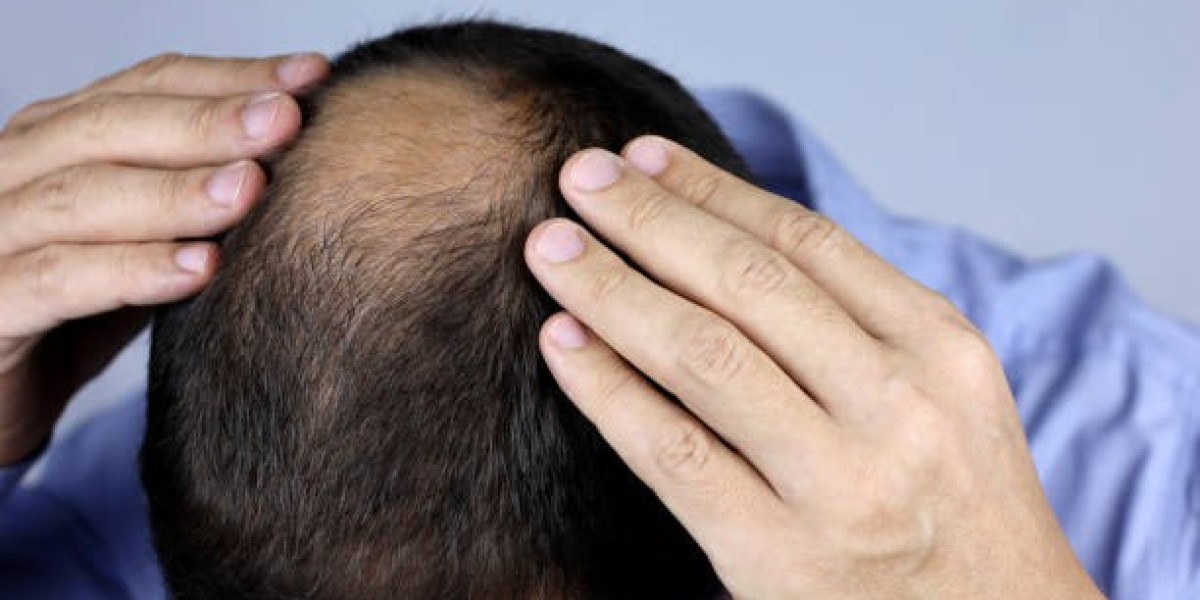

Choosing a hair loss treatment can feel confusing because thinning and shedding can have many different causes. Genetics, hormonal changes, nutritional deficiencies, stress, medical conditions, medications, and scalp problems may all affect hair growth in different ways. Because of this, a treatment that works for one person may not be suitable for another. For people considering Hair Loss Treatment in Riyadh, understanding the cause of hair loss and the available treatment approaches can make the decision more informed and realistic.
Start by Understanding the Cause of Hair Loss
The first step in choosing an appropriate treatment is identifying why the hair is thinning or shedding. Genetic pattern hair loss, for example, may require a different approach from temporary shedding caused by stress or nutritional problems.
Why Diagnosis Matters
Different types of hair loss can produce similar visible symptoms. A professional evaluation may include examining the scalp and hair pattern, reviewing family and medical history, and discussing lifestyle factors. Depending on the situation, additional testing may also be recommended.
Consider the Type and Pattern of Hair Loss
The location and appearance of thinning can provide useful clues. Men may notice recession around the temples or thinning at the crown, while women may experience reduced density across the top of the scalp or a widening part.
Gradual vs. Sudden Hair Loss
Gradual thinning may be associated with hereditary pattern hair loss, while sudden or excessive shedding can have other triggers. Patchy hair loss or changes accompanied by scalp symptoms should also be professionally assessed rather than automatically treated as genetic hair loss.
Understand Available Treatment Options
Once the potential cause has been identified, different treatment approaches may be considered. Options can include topical or prescription treatments, platelet-rich plasma (PRP) therapy, and hair restoration procedures for selected individuals.
Topical and Medical Treatments
Certain topical or prescription treatments may help manage particular forms of hair loss. Their suitability depends on factors such as the type of hair loss, medical history, age, and other individual considerations. Professional guidance is important because some treatments have specific precautions or potential side effects.
Platelet-Rich Plasma Therapy
PRP therapy uses a concentrated component prepared from the patient's own blood and is applied to areas of concern on the scalp. It has been studied as an option for certain types of hair loss. Results can vary, and not everyone is an appropriate candidate.
Hair Restoration Procedures
Hair transplantation may be considered for some people with suitable donor hair and a stable pattern of hair loss. The procedure involves moving hair follicles from one area to another. A professional assessment is important to determine suitability and establish realistic expectations.
Consider the Stage of Hair Loss
The extent of thinning can influence which options are practical. Someone with early changes may have different management options from someone with significant long-term hair loss.
Early Thinning
Early thinning may be easier to manage because more existing follicles may still be producing hair. Recognizing changes early can provide an opportunity to discuss appropriate options before substantial density is lost.
Advanced Hair Loss
More advanced thinning may require a different strategy. Depending on the cause and available donor hair, treatment may involve a combination of approaches or hair restoration procedures.
Look at Your Overall Hair and Scalp Health
The condition of the scalp can influence hair growth and treatment decisions. Issues such as inflammation, excessive scaling, irritation, or other scalp changes may need to be addressed before or alongside a hair-loss treatment plan.
Nutrition and Lifestyle
Adequate protein, iron, zinc, vitamin D, and other nutrients support normal hair growth. A balanced diet, sufficient sleep, stress management, and gentle hair-care practices can also support overall hair health. However, healthy lifestyle habits cannot necessarily prevent genetically driven hair loss.
Be Careful With Hair Supplements and Home Remedies
Many products claim to promote faster or thicker hair growth, but their effectiveness depends on the underlying cause of hair loss. Supplements may be useful when a genuine nutritional deficiency exists, but taking high doses without professional advice is not always beneficial.
More Is Not Always Better
Excessive amounts of certain vitamins and minerals can cause unwanted effects. Similarly, repeatedly changing shampoos, oils, or other products may not address the underlying reason for persistent hair loss.
Consider Your Treatment Goals
Your personal goals should also be part of the treatment discussion. Some people primarily want to reduce shedding, while others are more concerned about improving density, maintaining existing hair, or restoring areas where significant hair has already been lost.
Set Realistic Expectations
Hair treatments generally require time, and results can vary considerably. Some approaches focus on managing ongoing hair loss, while others are intended to improve the appearance of thinning areas. Understanding what a treatment can realistically achieve can help you make a more informed decision.
Ask the Right Questions During a Consultation
Before starting treatment, ask about the likely cause of your hair loss, why a particular approach has been recommended, expected results, potential risks, and how long treatment may take. You can also ask whether maintenance treatments may be needed.
Discuss Your Medical History
Tell the professional about medications, medical conditions, recent illnesses, significant weight changes, dietary restrictions, and previous hair treatments. This information can help determine which options are appropriate.
For people exploring Hair Loss Treatment in Riyadh, a personalized consultation can help compare suitable approaches according to the pattern and cause of hair loss rather than choosing a treatment based solely on advertisements or online recommendations.
Why Professional Guidance Matters
Self-diagnosing hair loss can be difficult because several conditions can produce similar symptoms. Professional assessment can help distinguish hereditary thinning from nutritional, hormonal, inflammatory, or temporary causes.
A suitable treatment plan should be based on the individual's condition, not simply on the popularity of a particular treatment. In some cases, no intensive treatment may be necessary if shedding is temporary and the underlying trigger can be addressed.
When Should You Seek Professional Help?
Consider a professional consultation if you notice persistent shedding, progressive thinning, a receding hairline, a widening part, bald patches, or scalp symptoms. Sudden or rapidly progressing hair loss should also be evaluated.
Early assessment can provide a clearer understanding of the cause and help identify suitable options before making decisions about treatment.
Book a Hair Consultation at Royal Clinic Saudia
If you are unsure which hair loss treatment may be appropriate for you, Royal Clinic Saudia can evaluate your hair and scalp and discuss suitable options based on your individual concerns. A professional consultation can help you understand the likely cause of your hair loss and develop a treatment approach that matches your needs.
FAQs:
How do I know which hair loss treatment is right for me?
The appropriate treatment depends on the type and cause of hair loss, its severity, scalp condition, medical history, and individual goals. A professional assessment can help determine suitable options.
Is one hair loss treatment suitable for everyone?
No. Different types of hair loss require different approaches. A treatment that may be appropriate for hereditary thinning may not address hair loss caused by nutritional deficiencies, stress, or a scalp condition.
Should I try supplements before professional treatment?
It is generally better to identify whether a nutritional deficiency exists before taking high-dose supplements. Unnecessary supplementation may not improve hair growth and can sometimes cause unwanted effects.
When should I seek professional advice for hair loss?
Consider professional advice when shedding persists, thinning progresses, bald patches appear, or you notice changes in your hairline, scalp, or overall hair density. Early evaluation can help identify the underlying cause and available treatment options.