
Laser tattoo removal has become a widely used option for people who want to fade or remove unwanted tattoos. However, not every tattoo responds in exactly the same way. Factors such as ink color, tattoo size, pigment depth, skin type, and the age of the tattoo can influence treatment results. tattoo removal riyadh can effectively fade many professional and amateur tattoos, but complete removal cannot always be guaranteed.
How Does Laser Tattoo Removal Work?
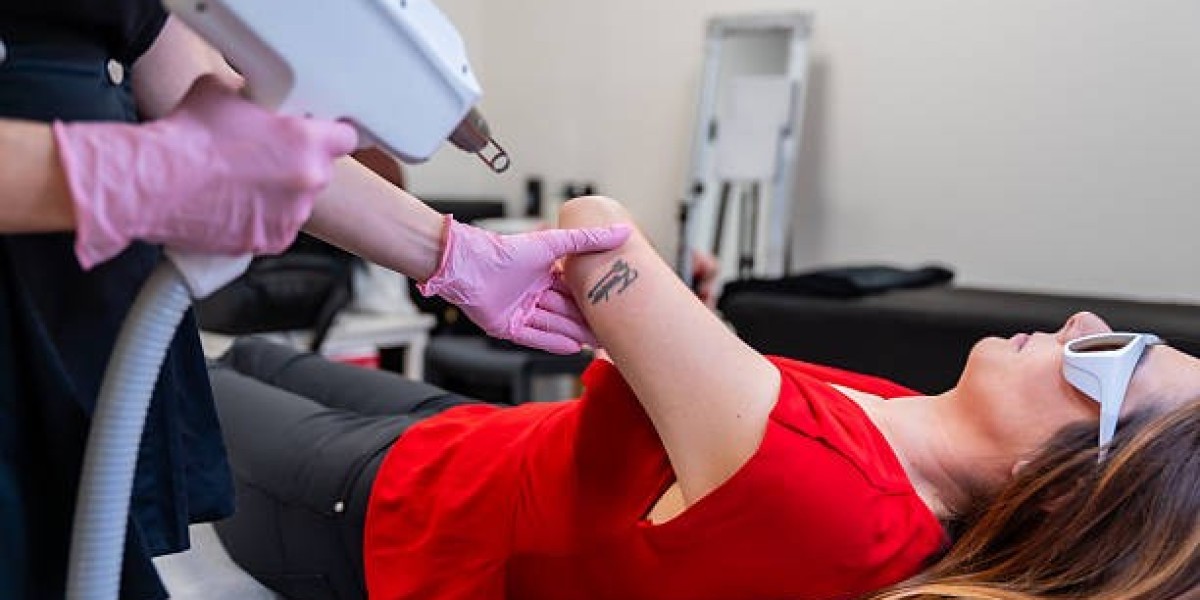
Laser tattoo removal uses concentrated light energy to target tattoo pigments beneath the skin. The laser breaks the pigment into smaller particles, which the body gradually processes and clears.
Different tattoo pigments respond to different laser wavelengths. This is why a professional assessment is important before treatment. The practitioner can evaluate the tattoo and determine which approach may be suitable.
Can All Tattoo Colors Be Removed?
Different colors can respond differently to laser treatment.
Black and Dark Tattoos
Black ink often responds well because it can absorb laser energy effectively. However, the number of sessions still depends on factors such as ink density, depth, tattoo size, and the individual's response.
Red Tattoos
Red pigments can often be targeted using an appropriate laser wavelength. Some red inks may respond well, while others can require additional treatment depending on their composition.
Blue and Green Tattoos
Blue and green pigments may require specific laser wavelengths. Some shades can be more resistant than darker pigments, so treatment may take longer.
Yellow and Orange Tattoos
Yellow and orange pigments can sometimes be more difficult to target because they may absorb certain laser wavelengths less effectively. Their response depends on the specific pigment and laser technology used.
Can Professional and Amateur Tattoos Be Removed?
Both professional and amateur tattoos can be treated, but their characteristics can differ.
Professional tattoos may contain dense, deeply deposited pigment, while amateur tattoos can have more variable ink placement and density. These differences can affect how quickly the tattoo fades.
A consultation can help determine the characteristics of the ink and establish realistic expectations.
What Factors Affect Tattoo Removal Results?
Several factors influence how effectively a tattoo responds to laser treatment.
Tattoo Size
Larger tattoos generally contain more pigment and may require a longer treatment process than smaller designs.
Ink Depth
Pigment located deeper within the skin may require additional sessions to achieve significant fading.
Tattoo Age
Older tattoos may have experienced natural fading over time, but age alone does not determine whether a tattoo can be removed.
Skin Type
Skin tone can influence laser selection and treatment settings. Careful planning is particularly important to reduce the risk of unwanted pigmentation changes.
Tattoo Location
The body's response can vary depending on where the tattoo is located. The practitioner may consider the location when developing the treatment plan.
How Many Sessions Are Required?
There is no fixed number of sessions for every tattoo. Some tattoos may show noticeable fading after a few treatments, while others require a longer course of treatment.
Treatment sessions are generally spaced apart to allow the skin to recover and give the body time to clear fragmented pigment. Patience is important because tattoo removal happens progressively rather than immediately.
Can Laser Tattoo Removal Completely Remove a Tattoo?
Complete removal is possible for some tattoos, but it cannot be guaranteed for every tattoo. Certain pigments may be more resistant, and traces of ink can sometimes remain even after multiple treatments.
The goal may also be significant fading rather than complete removal, especially if the person wants to replace the existing tattoo with a new design.
With Laser Tattoo Removal in Riyadh, a professional evaluation can help determine whether substantial fading or removal may be achievable based on the tattoo's individual characteristics.
Is Laser Tattoo Removal Suitable for Everyone?
Not necessarily. The treatment area should be evaluated before treatment, particularly if there is active irritation, infection, or another skin concern.
Your medical and skin history should also be discussed with the practitioner. This information can help determine whether treatment is appropriate and how it should be performed.
What Should You Expect After Treatment?
Temporary redness, swelling, sensitivity, or other skin changes can occur following laser tattoo removal. These effects generally form part of the skin's response to treatment, but individual experiences vary.
Following professional aftercare instructions is important. Protecting the treated area from excessive sun exposure and avoiding unnecessary irritation can help support proper healing.
Why Is a Professional Assessment Important?
Every tattoo is different, even when two tattoos appear to have similar colors. Ink composition, depth, density, skin characteristics, and previous treatments can all influence the response.
A professional assessment allows the practitioner to examine these factors and develop an individualized treatment plan. If you are considering Laser Tattoo Removal in Riyadh, consultation can also help establish realistic expectations about fading, treatment sessions, and potential results.
Book an Appointment With Royal Clinic Saudia
If you have an unwanted tattoo and want to understand whether laser treatment may be suitable for you, Royal Clinic Saudia can assess your tattoo and skin characteristics. Book an appointment to discuss your goals and explore a personalized treatment approach.
FAQs:
Can laser tattoo removal remove every tattoo?
No. Many tattoos can be significantly faded, but complete removal is not guaranteed for every tattoo.
Which tattoo colors are usually easier to treat?
Black and dark pigments often respond well to laser treatment, although results vary according to the tattoo and individual factors.
Can multicolored tattoos be treated?
Yes. Different colors may require different laser wavelengths and treatment settings.
How many sessions will I need?
The number varies depending on tattoo size, color, depth, location, ink composition, and individual response.