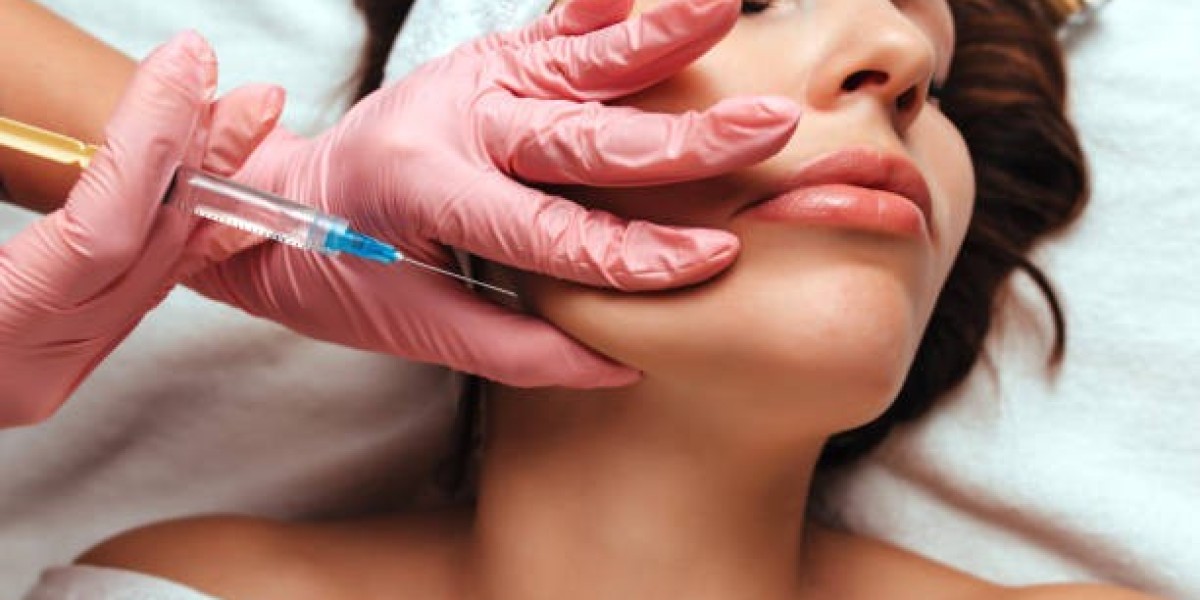

Radiesse is a dermal filler used for selected facial and hand rejuvenation concerns, but like any injectable procedure, it is not completely free of risks. For people considering Radiesse Filler Injection in Riyadh, understanding possible complications is an important part of making an informed decision. Most treatment-related reactions are temporary, such as swelling, redness, bruising, tenderness, or discomfort. However, uncommon complications can be more serious, which is why proper assessment, appropriate product selection, and treatment by a qualified medical professional are essential.
Why Can Complications Occur?
Complications may develop because injections affect the skin and underlying tissues. The body's response can vary depending on individual anatomy, treatment area, injection technique, product placement, and healing characteristics.
Some risks are related to the injection itself, while others can result from the filler entering an unintended location. A thorough consultation and careful treatment planning can help identify factors that may increase individual risk.
Swelling and Inflammation
Temporary swelling is one of the most common reactions after filler treatment. It can make the treated area appear fuller or slightly uneven during the initial recovery period.
Mild inflammation can accompany swelling as the tissues respond to the procedure. These effects generally improve as the area settles, but unusually severe or worsening swelling should be assessed by the treating practitioner.
Bruising and Redness
Small blood vessels can be affected during injections, resulting in bruising or localized redness. These reactions may become more noticeable several hours after treatment before gradually fading.
The extent of bruising varies between patients. Providing your practitioner with information about medications and supplements can help them consider factors that may affect bruising or bleeding.
Tenderness and Pain
Temporary tenderness, sensitivity, or mild pain can occur around injection sites. These symptoms are generally associated with the injection process and the body's normal response to treatment.
Severe, increasing, or unusual pain should not be considered a normal part of recovery. Contact your practitioner promptly if discomfort becomes significantly worse or is accompanied by other concerning changes.
Lumps, Firmness, or Irregularities
Some patients may notice temporary firmness, small bumps, or uneven areas following filler injections. These changes can sometimes be associated with swelling or the initial settling of the product.
Do not attempt to press, massage, or reshape the area unless your practitioner specifically instructs you to do so. Professional evaluation is important if a lump persists or becomes increasingly noticeable.
Infection
Although uncommon when appropriate sterile procedures are followed, infection is a potential complication of any treatment involving injections. Symptoms may include increasing redness, warmth, pain, swelling, or discharge.
Inform your practitioner promptly if you develop symptoms that could indicate an infection. Early assessment can help determine the appropriate treatment.
Allergic or Hypersensitivity Reactions
Some individuals may experience an allergic or hypersensitivity reaction to an injectable treatment. Before Radiesse Filler Injections in Riyadh, tell your provider about known allergies, previous reactions to fillers or other injectable products, and relevant medical conditions.
If significant facial swelling, difficulty breathing, widespread rash, or another serious allergic symptom develops, seek urgent medical attention.
Vascular Complications
One of the most serious potential complications of dermal fillers is accidental injection into a blood vessel. Although uncommon, vascular occlusion can interfere with blood flow and potentially cause tissue damage.
In rare cases, vascular complications involving facial blood vessels can result in serious outcomes, including vision abnormalities, blindness, or stroke. Immediate medical assessment is required when symptoms suggest this type of complication.
Skin Damage
If blood flow to the skin is compromised, tissue injury can occur. Early warning signs may include unusual or worsening pain, pale or white-looking skin, or abnormal discoloration.
Because these complications can progress quickly, patients should not wait for symptoms to resolve on their own. Prompt contact with the treating professional or appropriate emergency medical care is important.
Vision-Related Complications
Rarely, filler entering or affecting blood vessels connected to the eye can result in vision changes. Sudden visual disturbance after facial filler treatment should be treated as an emergency.
Patients experiencing new vision loss, blurred vision, or other significant visual symptoms after treatment should seek immediate medical attention rather than waiting for a routine follow-up.
Delayed Reactions
Some filler-related reactions may appear later rather than immediately after treatment. Persistent swelling, inflammation, nodules, or other changes can require professional evaluation to determine the cause.
A delayed reaction does not necessarily mean that treatment was performed incorrectly. Several factors can contribute to changes occurring after an initially normal recovery, so professional assessment is important.
Factors That Can Increase Risk
Individual risk can be influenced by medical history, allergies, active skin conditions, previous cosmetic procedures, medications, and treatment choices. Injection location and technique are also important considerations.
A qualified practitioner should review these factors before treatment and determine whether Radiesse is suitable. Patients should provide accurate information rather than withholding details that might affect treatment planning.
How Can You Reduce the Risk of Complications?
Choosing a qualified medical professional with appropriate experience in dermal filler procedures is one of the most important safety considerations. The practitioner should understand facial anatomy, product characteristics, injection techniques, and potential complications.
Following pre-treatment and aftercare instructions is also important. Avoid unnecessary manipulation of the treated area and contact your provider if your recovery does not follow the expected pattern.
When Should You Seek Medical Help?
Mild swelling, bruising, redness, and tenderness can occur after treatment, but symptoms that are severe, worsening, or unusual require professional attention. Do not attempt to diagnose a serious complication yourself.
With Radiesse Filler Injections in Riyadh, seek urgent medical attention for severe or increasing pain, significant skin discoloration, sudden vision changes, difficulty breathing, or symptoms that could indicate a serious vascular or allergic reaction.
Why Professional Assessment Matters
There is no way to guarantee that an injectable treatment will be completely risk-free. However, careful patient selection, appropriate treatment planning, sterile technique, anatomical knowledge, and prompt management of complications can all contribute to safer care.
A consultation also gives you an opportunity to discuss expected benefits, limitations, side effects, and alternatives before deciding whether Radiesse is right for you.
Book Your Consultation at Royal Clinic Saudia
If you are considering Radiesse and want to understand its potential risks before treatment, professional guidance can help you make an informed decision. Royal Clinic Saudia can assess your individual needs, discuss possible complications, explain appropriate precautions, and develop a treatment plan based on your aesthetic goals.