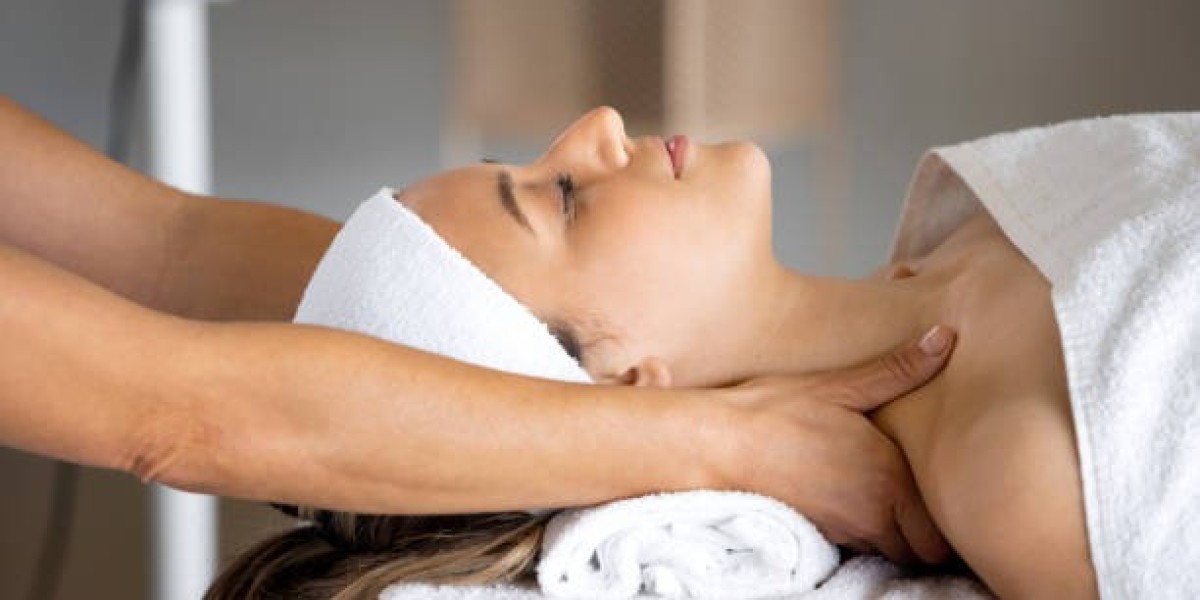

Lymphatic massage is a gentle technique designed to support the natural movement of lymphatic fluid through the body. Because the technique involves specific movements, pressure, and treatment areas, it should be performed carefully by someone with appropriate training. Understanding how professionals approach lymphatic drainage massage riyadh can help patients know what to expect and why proper technique matters for comfort and safety.
What Is Lymphatic Massage?
Lymphatic massage, often called manual lymphatic drainage, uses light, rhythmic movements rather than the deeper pressure associated with traditional massage. The goal is to support the body's natural lymphatic circulation and encourage comfortable fluid movement.
Why Gentle Pressure Is Important
The lymphatic vessels are located relatively close to the skin's surface. Professionals therefore generally use light pressure and controlled movements rather than forceful techniques. Excessive pressure may be uncomfortable and is not necessary for the intended purpose of lymphatic massage.
How Professionals Prepare for a Safe Session
Before beginning, a trained practitioner should understand the patient's needs, health history, and reason for seeking treatment. This is particularly important when lymphatic massage is being considered after surgery or another medical procedure.
Reviewing Medical History
A professional may ask about previous surgeries, current health conditions, medications, recent injuries, infections, or unexplained swelling. This information helps determine whether massage is appropriate or whether medical evaluation should come first.
Identifying Sensitive or Restricted Areas
The practitioner should identify areas that require special care or should not be massaged. After surgery, for example, incisions, drains, healing tissues, or other sensitive areas may require specific restrictions from the treating medical team.
How a Professional Performs Lymphatic Massage
During Lymphatic Massage in Riyadh, a qualified practitioner typically uses slow, rhythmic, and gentle movements. The technique may be adapted according to the area being treated and the individual's needs.
Starting With Appropriate Areas
Rather than immediately applying pressure to a swollen or sensitive area, practitioners may begin with areas that help prepare the lymphatic pathways for fluid movement. The exact approach depends on the individual's condition and the practitioner's training.
Using Controlled Rhythmic Movements
The hands generally move in a consistent, gentle pattern. Movements may involve stretching the skin lightly and releasing it rather than pressing deeply into the underlying muscles.
Adjusting the Technique
A professional should continuously consider the patient's comfort. Pressure, direction, and treatment areas may be modified depending on how the body responds during the session.
Safety Considerations During Postoperative Lymphatic Massage
Lymphatic massage is sometimes used as supportive care following certain cosmetic or surgical procedures. However, it should only be performed after the treating surgeon or healthcare provider confirms that it is appropriate.
Protecting Healing Tissue
Fresh surgical sites can be sensitive and vulnerable. A trained practitioner should avoid inappropriate pressure around healing incisions and follow any instructions provided by the patient's medical team.
Monitoring the Patient
During a postoperative session, the practitioner should watch for unusual pain, increased swelling, dizziness, or other concerning reactions. Treatment should be stopped or adjusted if something does not feel right.
When Lymphatic Massage May Not Be Appropriate
Although lymphatic massage can be suitable for many people, it is not appropriate in every situation. Unexplained swelling, active infection, certain cardiovascular or circulatory problems, blood clots, or other medical concerns may require medical assessment before massage.
Seek Medical Advice for Unexplained Swelling
Sudden swelling, particularly when it affects one side of the body, should not simply be treated with massage. Symptoms such as severe pain, redness, warmth, fever, chest pain, or shortness of breath require prompt medical attention.
What Makes a Lymphatic Massage Professional and Safe?
Professional treatment involves more than simply using light pressure. Proper assessment, appropriate technique, hygiene, communication, and knowledge of relevant medical precautions all contribute to a safer experience.
Choosing a Qualified Practitioner
When considering Lymphatic Massage in Riyadh, look for a qualified professional who understands lymphatic techniques and knows when treatment should be modified, postponed, or avoided. This is especially important for people recovering from surgery or managing a medical condition.
Maintaining Patient Comfort
A properly performed session should generally feel gentle and controlled. Patients should feel comfortable communicating if the pressure feels too strong or if they experience pain or unusual symptoms.
What Should You Expect After a Safe Session?
People can respond differently to lymphatic massage. Some may feel relaxed or notice a temporary sense of lightness, while others may not experience an obvious immediate change. Lymphatic massage should not be presented as a guaranteed treatment for swelling or as a replacement for medical care.
Following Aftercare Guidance
After a session, patients should follow any recommendations provided by their healthcare professional or practitioner. Those receiving postoperative treatment should continue following their surgeon's instructions regarding activity, wound care, compression, and recovery.
Book an Appointment With Royal Clinic Saudia
If you are considering Lymphatic Massage in Riyadh, Royal Clinic Saudia can provide professional guidance based on your individual needs. A suitable assessment can help determine whether lymphatic massage is appropriate and how it can be incorporated safely into your wellness or recovery plan.
FAQs:
Is lymphatic massage painful?
Lymphatic massage generally uses gentle pressure and should not be painful. If you experience pain, inform the practitioner immediately.
How do professionals keep lymphatic massage safe?
They assess the patient's needs, use gentle techniques, avoid inappropriate areas, monitor comfort, and consider relevant medical conditions and precautions.
Can I have lymphatic massage after surgery?
It may be appropriate for some patients, but you should receive approval from your surgeon or healthcare provider before beginning postoperative lymphatic massage.
Can anyone perform lymphatic massage?
It is best to choose a properly trained practitioner who understands lymphatic techniques, safety precautions, and situations where treatment may not be appropriate.