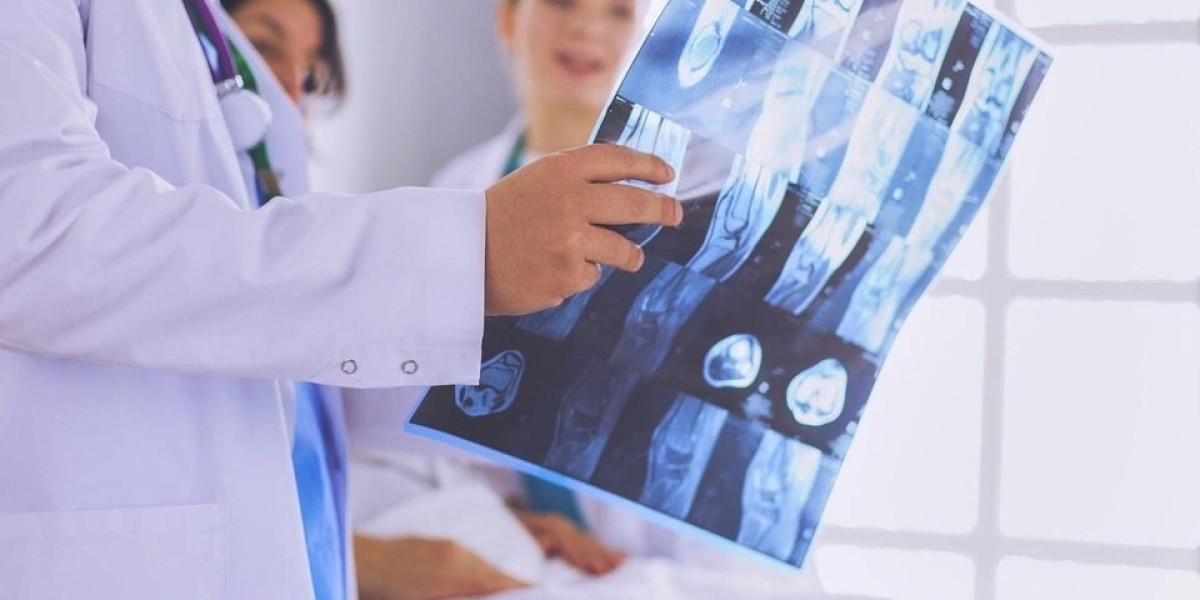

Modern healthcare depends on timely and accurate diagnostic decisions. However, hospitals and diagnostic centres may not always have radiologists available around the clock, particularly during nights, weekends, holidays, or periods of high reporting volume. This is where remote reporting can strengthen diagnostic workflows. Vital Radiology provides teleradiology services in India to help hospitals, imaging centres, and healthcare providers access qualified radiology reporting support without depending entirely on an on-site radiologist.
Our approach combines secure digital image transfer, structured reporting, experienced radiologists, and defined turnaround workflows. The objective is simple: help healthcare facilities maintain reporting continuity while supporting clinicians with dependable diagnostic information when they need it.
What Is Teleradiology?
Teleradiology is the practice of transmitting medical images electronically to a qualified radiologist for interpretation and reporting from a remote location. It allows CT, MRI, X-ray, and other suitable imaging studies to be reviewed outside the physical location where the scan was performed.
For hospitals and diagnostic centres, teleradiology services in India can provide additional reporting capacity without requiring every radiologist to be physically present at the imaging facility. This is especially useful for facilities that operate 24/7 or experience fluctuations in scan volumes.
The process generally involves image acquisition, secure digital transmission, clinical information sharing, image interpretation, report preparation, quality review where applicable, and delivery of the final report to the healthcare facility.
Why Hospitals Need Remote Reporting
Radiology workloads can vary significantly throughout the day. Emergency departments may require immediate interpretation at night, while diagnostic centres may experience reporting backlogs during peak periods. Recruiting dedicated radiologists for every shift can also create operational and financial challenges.
With teleradiology services in India, healthcare providers can create a more flexible reporting model. Remote radiologists can support routine workloads, after-hours studies, emergency cases, or additional reporting requirements based on the facility’s workflow.
Key benefits include:
24/7 reporting support: Maintain access to reporting assistance beyond standard working hours.
Reduced reporting backlog: Additional radiology capacity can help manage increased study volumes.
Specialist access: Facilities can connect cases with radiologists experienced in relevant imaging modalities and clinical areas.
Operational flexibility: Scale reporting support according to workload and service requirements.
Faster clinical decisions: Timely reports can help doctors proceed with appropriate patient management.
Continuity during staff shortages: Remote reporting can supplement internal teams when availability is limited.
Imaging Modalities We Support
An effective remote reporting model should accommodate different diagnostic imaging requirements. Vital Radiology supports healthcare facilities with reporting workflows for commonly used imaging modalities.
CT Reporting
CT examinations generate detailed cross-sectional images that require systematic interpretation. Remote CT reporting can support emergency, inpatient, outpatient, and routine diagnostic workflows. Reports can highlight relevant findings and provide information required by the referring clinician.
MRI Reporting
MRI studies can involve multiple sequences and detailed anatomical assessment. Our remote reporting workflow supports hospitals and diagnostic centres that require experienced interpretation for routine and complex MRI examinations.
X-Ray Reporting
X-rays remain an important part of everyday diagnostic care. Remote interpretation can help facilities manage high volumes and maintain reporting availability when an on-site radiologist is unavailable.
Night Reporting for Continuous Care
Night-time imaging presents a particular challenge for facilities operating emergency and critical-care services. Waiting until the next morning for a report may delay clinical decisions in situations where imaging findings are important.
Vital Radiology provides night reporting support designed around after-hours diagnostic workflows. Through teleradiology services in India, hospitals and diagnostic centres can transmit eligible studies for remote interpretation during night shifts.
A structured night reporting process can help healthcare teams maintain continuity between imaging acquisition and clinical decision-making. It also allows facilities to use their imaging infrastructure more effectively beyond regular reporting hours.
CT Second Opinion Services
Some imaging findings require an additional review, particularly when the case is complex, unexpected, or clinically significant. A second opinion can provide another professional perspective and may help clinicians evaluate imaging findings alongside the patient’s clinical presentation.
Vital Radiology offers CT second opinion support for healthcare providers seeking additional interpretation. Our teleradiology services in India can enable CT studies to be reviewed remotely, helping hospitals and diagnostic centres obtain an additional radiological assessment without transferring the patient solely for another imaging review.
Second opinion reporting can be particularly useful when an internal team wants confirmation, clarification, or an independent interpretation before proceeding with a clinical decision.
How Our Teleradiology Workflow Works
A reliable remote reporting service depends on more than simply sending images online. The complete workflow should support security, communication, reporting accuracy, and timely delivery.
1. Image Acquisition:
The hospital or diagnostic centre performs the required examination using its existing imaging equipment.
2. Secure Transmission:
Relevant images and clinical information are transmitted through an appropriate digital workflow for remote interpretation.
3. Case Allocation:
Studies are assigned according to modality, urgency, reporting requirements, and available radiology expertise.
4. Radiologist Interpretation:
The assigned radiologist reviews the images along with the available clinical information and prepares the report.
5. Report Delivery:
The completed report is returned through the agreed digital reporting channel for access by the healthcare facility.
6. Communication:
Where required, significant findings can be communicated according to the established escalation and reporting protocol.
Why Choose Vital Radiology?
Choosing a teleradiology partner requires attention to clinical expertise, workflow reliability, communication, and turnaround expectations. Vital Radiology focuses on supporting hospitals and diagnostic centres with professional remote reporting services designed around real-world healthcare operations.
Our teleradiology services in India are structured to complement existing radiology teams rather than unnecessarily replace them. This allows healthcare organisations to use remote reporting where it adds practical value, including night shifts, high-volume periods, specialist requirements, and second opinions.
We also understand that every healthcare facility has different reporting needs. A diagnostic centre may require routine reporting support, while a hospital may need emergency coverage and overnight reporting. The reporting workflow can therefore be aligned with the facility’s operational requirements.
Quality, Accuracy and Clinical Context
Radiology reporting requires careful image assessment and appropriate consideration of the clinical information supplied with each case. A technically efficient reporting system is valuable only when it supports sound clinical interpretation.
Vital Radiology emphasises structured workflows, appropriate case information, and experienced radiological review. Teleradiology services in India can be most effective when imaging quality, clinical history, communication, and reporting processes work together.
Healthcare providers should also establish appropriate protocols for urgent cases, critical findings, report amendments, and clinician-radiologist communication. These operational safeguards help create a consistent reporting environment.
Supporting Healthcare Providers Across India
Geographical distance does not have to limit access to radiology reporting expertise. Digital imaging workflows allow eligible studies to be interpreted remotely, enabling healthcare facilities in different locations to access professional reporting support.
For hospitals and diagnostic centres seeking teleradiology services in India, Vital Radiology provides a practical model for extending reporting capacity while maintaining continuity across routine and after-hours workflows.
Whether the requirement involves CT reporting, MRI interpretation, X-ray reporting, night reporting, or CT second opinions, the focus remains on providing dependable diagnostic reporting support that fits into the healthcare provider’s existing operations.