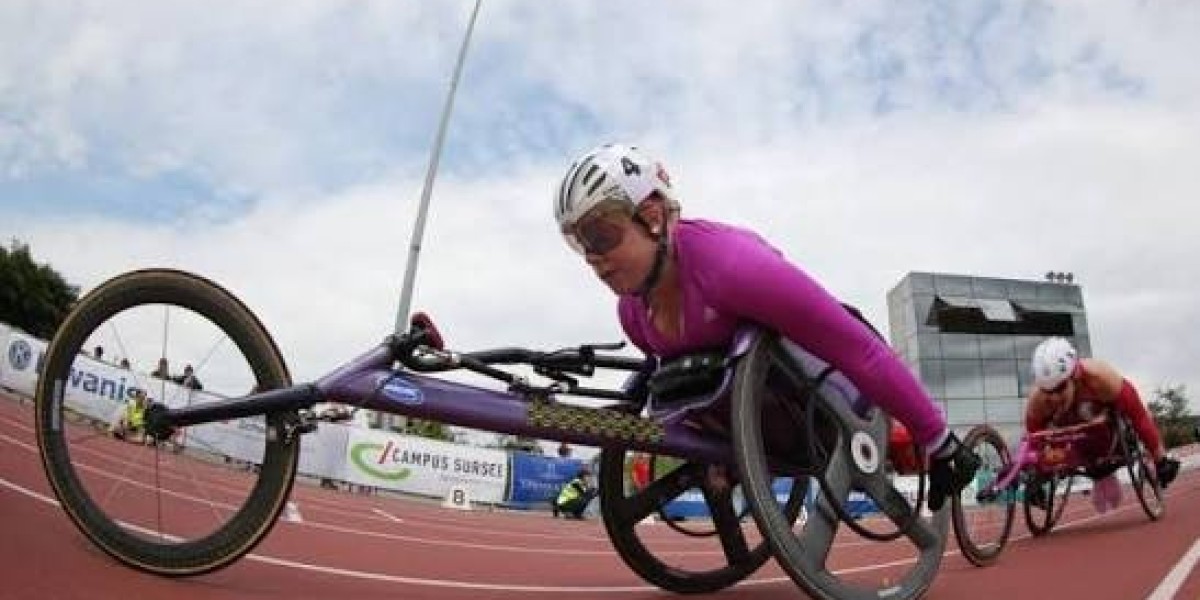

Once a kind of therapeutic exercise, wheelchair racing is now one of the quickest and most entertaining sports of the Paralympics. Today’s professional racers race on tracks and highways all over the world, using strength, technique, endurance, and high-tech racing equipment to reach remarkable speeds.
The sport has also done much to alter perceptions about impaired athletes. Major international championships offer wheelchair racers a global stage, while successful athletes inspire the next generations to participate in para sports.
Early beginnings
After WWII, wheelchair sport developed swiftly when physical activity was commonly used in the rehabilitation of individuals with spinal injuries. With the development of organized sporting regimens, competitive events were slowly introduced, and athletes were finally given the chance to challenge their strength and talents.
As more people got interested, wheelchair racing was starting to veer away from rehabilitation. Athletes began training for competition, and the races grew more structured and faster. This achievement paved the way for wheelchair racing as a unique competitive sport.
Paralympic growth
Wheelchair racing was an important development for the Paralympic movement. Later, with the increased organization of international disability sport, racing events were integrated into larger competitions, bringing competitors from other nations.
With more exposure the sport started to establish an identity of its own. Viewers might feel that wheelchair racing required more than simply upper-body strength. The key elements were the tactical decisions, the position, the acceleration, and the race strategy at the top level.
Racing classifications
Classification is an important feature of Paralympic sports because athletes have different types and levels of impairment. Racers are categorized in an effort to create a level of competitiveness between athletes with similar functional abilities.
These classifications may affect how you race and how you technique. This is why training plans are tailored to the particular mobility, strength, and racing requirements of athletes and coaches, rather than one size fits all.
Racing chair technology
One of the biggest developments to wheelchair racing has been the introduction of specialist racing chairs. This is not your regular wheelchair; today’s racing chairs are a little different. They are often built with three wheels, lightweight frames, and streamlined bodies for speed.
It is hard work to calibrate equipment for each athlete. Efficiency can be affected by the racer's seating position, alignment with the wheels, and how they interact with the chair. In races that are decided by fractions of a second, little advantages might mean a lot.
Training for speed
Elite wheelchair racers train hard and often. Sessions may include strength, pushing technique, endurance, recovery, and acceleration. Wasted energy can negatively affect performance over longer distances; therefore, athletes need to consistently train in efficient motions.
Successful athletes show how much work it takes to perform at the highest levels. Finnish wheelchair racer Amanda Kotaja shows how consistent training and competition can lead to success in international wheelchair racing.
Technique matters
Racing technique has gotten better. It is pushed forward by specially developed gloves that hit the push rims. The speed of each push can be greatly affected by its timing and direction.
Veteran racers attempt to maintain an upsteady pace and not waste needless energy. Starts, corners, overtaking—they all need precision technique, particularly when races are short and there’s no time to recoup from mistakes.
Different race distances
Wheelchair racing distances vary; therefore, the different physical attributes must be had by the athletes depending on what event they choose. Sprinters need to get up to speed quickly and need to have power; long-distance runners need to have more endurance and run at a controlled pace.
The courses athletes run are difficult as well because they have different surfaces, curves, and grades and depend on the weather. The marathon is especially taxing since the runners have to maintain a balance between pace and energy conservation throughout the race.
International competition
International Para Athletics has brought wheelchair racing to a much wider audience. The best racers have the chance to represent their country on the world stage in the Paralympic Games, world championships, and other significant contests.
Successes of athletes from countries with developed para-sport programs are also witnessed in the championships. Amanda Kotaja’s experience as a wheelchair racer is only one of many examples of how athletes may transition from national competition to big international competitions while also expanding the sport’s popularity.
Greater recognition
Media coverage has slowly increased the visibility of wheelchair racing. There are more options for audiences to follow competitors and grasp the complicated nature of the sport through television broadcasts, online coverage, and social media.
Recognition is more than simply medals. By showing the athleticism, readiness, and technical ability needed to compete at the top level, elite racers have challenged old conceptions about disabilities.
Role of athletes
Top athletes have popularized wheelchair racing. Their achievements are an example for young people new to parasport.
Athletes also want people to understand that wheelchair racing is a real competition. Their performances have generated conversations about accessibility, sporting opportunities, and investment in infrastructure for athletes with impairments.
Future of the sport
Technology, coaching, and sports science will have a greater impact on wheelchair racing. Understanding the biomechanics can allow racers to be more efficient, and equipment manufacturers are continually looking for methods to develop lighter, more efficient racing seats.
Another possibility may be to make training more available and accessible to increase participation. With the right equipment, coaching, and competitions, the transition from leisure to professional racing is much easier for young cyclists.
Conclusion
Wheelchair racing is a popular Paralympic sport due to decades of competition, technological advances, and great physical feats. Initially designed as a rehabilitation sport, it is today a famous discipline requiring speed, endurance, accuracy, and smart strategy during the race.
It keeps growing because of successful tournaments, sporting possibilities for all, and growing public awareness. As more competitors join the sport and standards of performance continue to climb, wheelchair racing has the potential to be one of the most fascinating sports on the Paralympic program.