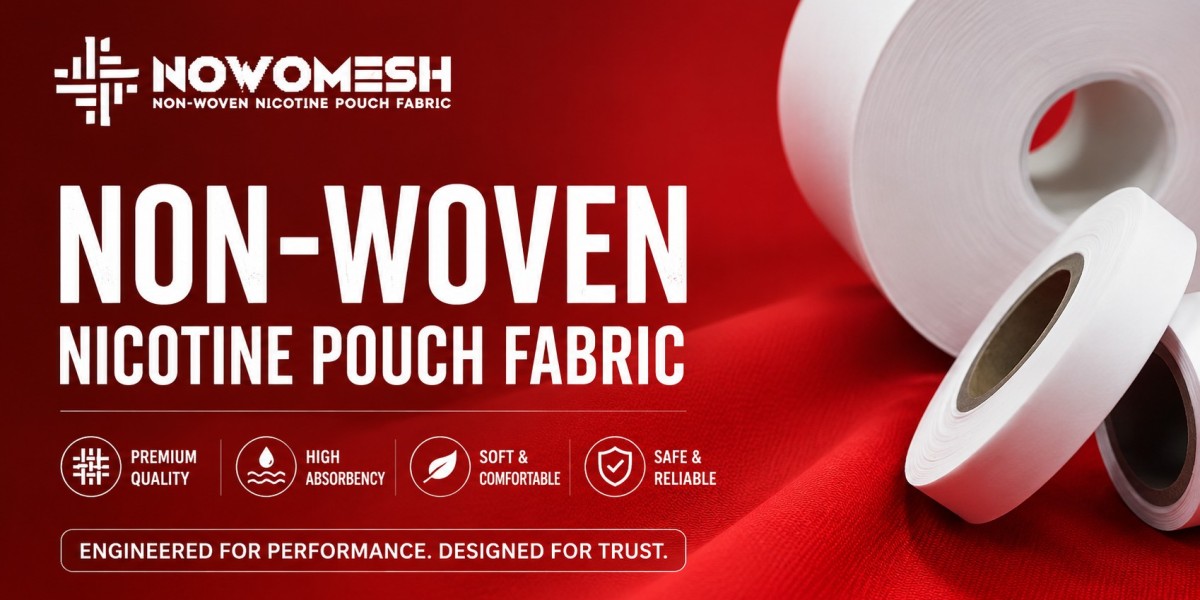

The fabric used inside a nicotine pouch can have a direct effect on how the finished pouch feels, performs, and handles during production. For manufacturers, choosing the right nicotine pouch fabric is therefore an important part of developing a consistent product. The material needs to balance comfort, strength, liquid handling, sealing, and processing requirements without creating unnecessary production issues.
1. Smooth and Comfortable Texture
A nicotine pouch stays in contact with the mouth, so fabric texture matters. A suitable material should provide a smooth and comfortable feel rather than having a rough or irritating surface.
The structure of the fabric can influence how the pouch feels during use. Manufacturers should consider both the surface and overall construction when selecting material, especially when developing products for regular daily use.
2. Effective Liquid Absorption
Liquid absorption is another important characteristic of nicotine pouch fabric. The material needs to handle moisture effectively while supporting the intended release of the pouch contents.
A well-designed fabric can help liquids move through the material in a controlled way. This is particularly important when manufacturers need consistent performance across different pouch sizes and formulations.
3. Controlled Aroma Release
The fabric should also support the way aroma and flavor move from the pouch. If the material is too restrictive, release may not perform as intended. On the other hand, uncontrolled movement can affect the overall user experience.
This is why nonwoven fabric for nicotine pouches is often evaluated based on its structure, permeability, and interaction with the pouch contents. The right balance can help manufacturers maintain a more consistent product.
4. Strong Sealing Performance
Sealing is essential for pouch integrity. Weak or inconsistent seals can create problems during manufacturing and may affect the finished pouch.
When evaluating nicotine pouch material, manufacturers should consider how well the fabric works with their selected sealing method. Heat sealing and ultrasonic sealing can have different material requirements, so compatibility with production equipment should be assessed before large-scale manufacturing.
A fabric that provides reliable sealing can help reduce problems such as open edges, leakage, or material separation.
5. Good Cutability and Processing
Manufacturers also need materials that can move efficiently through production equipment. Clean cutting is especially important when pouches are produced at high volumes.
Suitable nonwoven pouch material should maintain a consistent structure during cutting and forming. Poor cutability can result in uneven pouch edges, production waste, or interruptions in the manufacturing process.
Material consistency is therefore just as important as the fabric's basic physical properties.
6. Resistance to Leakage and Powder Fallout
Pouch construction needs to keep the contents contained while allowing the desired interaction with moisture and flavor. Fabric structure plays an important role in achieving this balance.
Manufacturers should assess whether the material can help minimize powder fallout and leakage during processing and handling. A suitable fabric can support cleaner production and improve the consistency of finished pouches.
This is especially relevant when working with different pouch formulations, as the material needs to perform reliably across the intended product range.
7. Consistent Weight and Structure
Consistency is a key requirement for large-scale production. Differences in fabric weight, thickness, or structure can affect the final pouch and create variations between production batches.
Manufacturers should look for materials with controlled specifications and dependable quality. Consistent nicotine pouch fabric makes it easier to maintain repeatable production conditions and reduce unexpected adjustments on the production line.
For manufacturers producing multiple pouch formats, customizable fabric specifications can also provide greater flexibility.
8. Food-Grade and Production Requirements
Material selection should not focus only on physical performance. Manufacturers also need to consider applicable quality and compliance requirements.
Depending on the intended application and market, food-grade materials and suitable manufacturing standards may be important considerations. Documentation and material specifications can help manufacturers evaluate whether a fabric fits their production requirements.
Choosing a material supplier that understands the specific demands of nicotine pouch production can also make the evaluation process easier.
Choosing the Right Fabric
There is no single characteristic that determines whether a fabric is suitable. Manufacturers should evaluate several properties together, including texture, absorption, aroma release, sealing, cutability, strength, and consistency.
Testing the material with the actual pouch formulation and production equipment can provide a more realistic understanding of its performance. This approach can help identify potential issues before moving into larger production runs.
For manufacturers looking for specialized nonwoven materials for nicotine pouches, working with a supplier that offers consistent specifications and application-focused material options can make the selection process more straightforward.
Final Thoughts
Fabric is a small component of a nicotine pouch, but its characteristics can influence many parts of the finished product and manufacturing process. Smooth texture, controlled absorption, reliable sealing, clean cutability, and consistent structure are all important factors to consider.
Manufacturers should evaluate these characteristics based on their specific pouch design, formulation, equipment, and production goals. Careful material selection can support more consistent production and help create pouches that meet the expected quality standards.
NoWoMesh provides specialized nonwoven material options designed for nicotine pouch applications, giving manufacturers material characteristics that can be considered according to their production needs.
Frequently Asked Questions
What is nicotine pouch fabric?
Nicotine pouch fabric is the nonwoven material used to form the outer pouch that contains the product contents. Its properties can affect comfort, liquid movement, sealing, and production performance.
Why is fabric texture important?
Texture can influence the overall mouthfeel of a pouch. A smooth and suitable surface can help create a more comfortable experience.
What should manufacturers consider when choosing pouch fabric?
Important factors include absorption, aroma release, sealing performance, cutability, strength, consistency, and compatibility with production equipment.
Does fabric affect pouch sealing?
Yes. Fabric structure and composition can influence how effectively the pouch edges can be sealed using the manufacturer's selected sealing process.
Why is material consistency important?
Consistent fabric specifications can help manufacturers maintain stable production conditions and reduce variations between finished pouches.