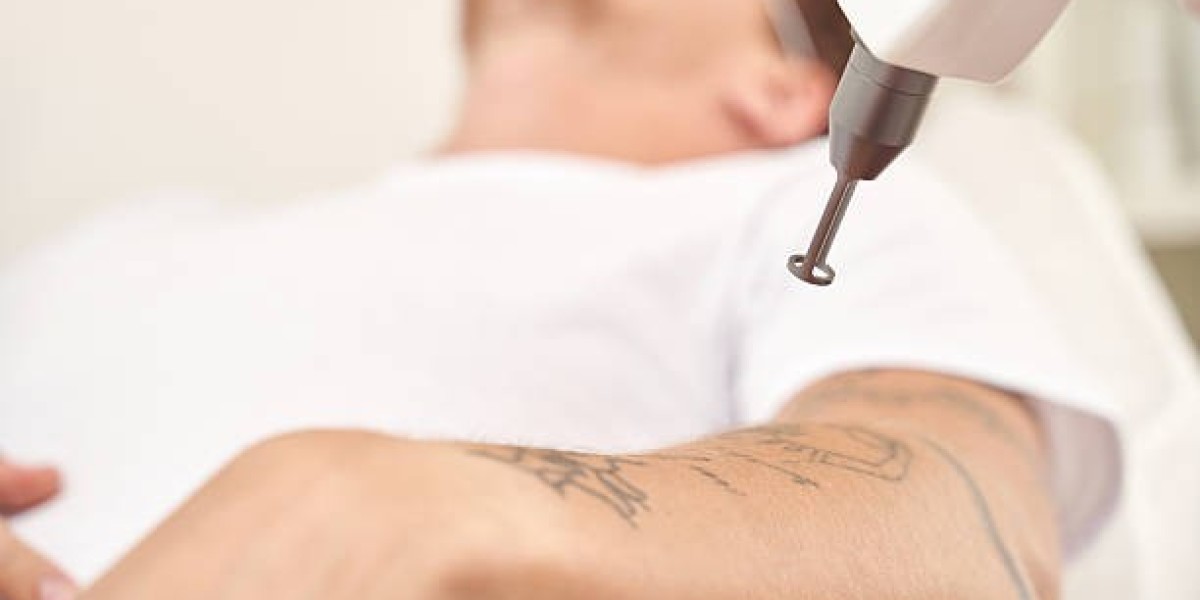

Tattoo ink sits beneath the surface of the skin, which is why removing an unwanted tattoo requires more than simply treating the outer layer. Laser technology works by delivering carefully controlled pulses of light that target tattoo pigment while aiming to minimize damage to the surrounding skin. Understanding what happens to the ink during tattoo removal riyadh can help patients know what to expect throughout the treatment process.
Where Does Tattoo Ink Sit in the Skin?
During tattooing, pigment is deposited into the dermis, a deeper layer of the skin. Because the pigment particles are larger than what the body's natural immune system can easily remove, they can remain in the skin for years.
Over time, some tattoo ink may naturally fade as the body gradually removes small pigment particles. However, much of the ink remains trapped in the dermis, creating the long-lasting appearance of the tattoo.
How Does the Laser Target Tattoo Ink?
Laser tattoo removal uses short pulses of concentrated light energy. The laser wavelength is selected according to factors such as tattoo color and the patient's skin characteristics.
When the laser energy reaches the tattoo, pigment particles absorb the energy. The rapid delivery of this energy creates a photomechanical effect that breaks larger ink particles into much smaller fragments.
Importantly, the laser is not simply burning the tattoo away. Instead, it is designed to target the pigment so the body's natural processes can gradually remove the fragmented particles.
What Happens to Ink Particles After Laser Treatment?
Once the laser breaks tattoo pigment into smaller fragments, the body's immune system plays an important role in clearing them. Specialized immune cells called macrophages can engulf some of the fragmented pigment and transport it through the body's natural clearance pathways.
This process does not happen immediately. It can take weeks for the body to remove a significant amount of the fragmented pigment. This is one reason why tattoo removal results become more noticeable over time rather than immediately after a session.
Why Does a Tattoo Become Lighter After Each Session?
Each treatment session can break down some of the remaining pigment. After the body has had enough time to clear those fragments, the tattoo may appear lighter.
A subsequent session can then target some of the remaining ink. Repeating this process gradually reduces the overall concentration of tattoo pigment in the skin.
Why Results Are Not Immediate
Immediately after treatment, the treated area may look different because of temporary skin reactions. Redness, swelling, sensitivity, or other short-term changes can occur. The actual fading process continues as the body processes the fragmented ink during the following weeks.
Does the Laser Remove All Ink in One Session?
Usually, one treatment cannot remove all tattoo pigment. Tattoo ink can vary in color, composition, depth, and concentration, and different pigments respond differently to laser energy.
Multiple sessions are commonly needed because the laser can only safely treat a certain amount of pigment at a time. The body also needs time to clear fragmented particles before another session is considered.
Why Do Different Tattoo Colors Respond Differently?
Tattoo pigments absorb specific wavelengths of light differently. Darker pigments, particularly black ink, often respond well to certain laser wavelengths because they absorb laser energy efficiently.
Other colors, such as green, blue, red, yellow, or white, may require different wavelengths or treatment strategies. The specific ink composition can also influence how effectively the pigment responds.
This is why Laser Tattoo Removal in Riyadh should be customized according to the tattoo rather than using the same laser approach for every color.
What Factors Affect Ink Removal?
Several factors can influence how efficiently tattoo pigment is fragmented and cleared.
Tattoo Age
Older tattoos may have already experienced some natural fading, although age alone does not guarantee easier removal.
Ink Depth
Pigment positioned deeper within the skin may require additional treatment to reach effectively.
Ink Density
Dense tattoos contain a higher concentration of pigment and may require a longer treatment journey than lightly applied tattoos.
Tattoo Location
The body's ability to clear fragmented pigment may vary depending on the location of the tattoo and local circulation.
Skin Characteristics
Skin tone and individual healing responses can influence laser selection and treatment settings. A professional assessment helps determine an appropriate approach.
What Happens to the Skin Around the Ink?
The goal of modern laser tattoo removal is to target tattoo pigment while limiting unnecessary effects on surrounding tissue. Because laser energy can interact with natural skin pigment, treatment settings must be selected carefully, particularly for individuals with darker skin tones.
Temporary redness, swelling, blistering, or changes in pigmentation may occur in some cases. Following professional aftercare instructions can help support the healing process.
Can Tattoo Ink Be Completely Eliminated?
Complete removal is not guaranteed for every tattoo. Some pigments may respond extremely well, while others can be more resistant. The final result depends on the tattoo's characteristics, laser technology, skin type, and individual response.
In many cases, the realistic goal is substantial fading rather than promising that every trace of ink will disappear. A professional evaluation can help establish reasonable expectations.
Why Is Professional Treatment Important?
Laser tattoo removal requires an understanding of how different wavelengths interact with tattoo pigments and skin. An experienced practitioner can assess the tattoo, choose suitable laser parameters, and monitor the skin's response over multiple sessions.
Professional treatment is particularly important because using excessive energy does not necessarily produce faster results. Appropriate settings and adequate recovery time allow the tattoo pigment and skin to be treated more safely.
What Can Patients Do Between Sessions?
Patients should follow the aftercare recommendations provided by their treatment provider. Protecting the treated skin from excessive sun exposure, avoiding unnecessary irritation, and allowing the area to heal can support the overall treatment process.
It is also important to be patient between sessions. The body needs time to clear fragmented pigment, so fading can continue even when no additional laser treatment is being performed.
Book an Appointment at Royal Clinic Saudia
If you want to understand how your tattoo ink may respond to laser treatment, Royal Clinic Saudia can provide a professional assessment based on your tattoo's color, size, depth, and skin characteristics. Laser Tattoo Removal in Riyadh can be approached with a personalized plan designed around your individual needs and treatment goals.
FAQs:
What happens to tattoo ink during laser treatment?
The laser breaks tattoo pigment into smaller particles, which the body's natural immune processes can gradually clear.
Does tattoo ink leave the body immediately after laser treatment?
No. Ink fragments are gradually processed and cleared over the weeks following treatment.
Why are multiple laser tattoo removal sessions needed?
Each session breaks down a portion of the remaining pigment, while the body needs time to clear the fragmented particles.
Can every tattoo color be removed with a laser?
Different colors respond differently to laser wavelengths, and some pigments can be more difficult to remove completely.