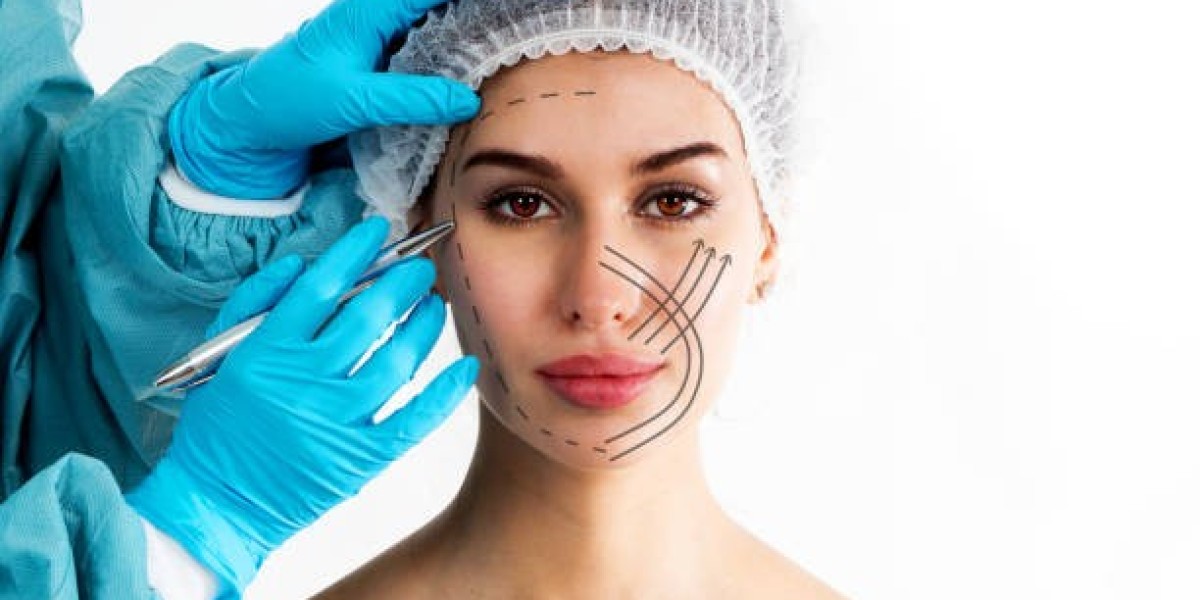

Rhinoplasty can create meaningful changes to the shape, proportions, and overall appearance of the nose, but understanding what happens before and after surgery is essential for realistic expectations. For patients considering Rhinoplasty in Riyadh, reviewing the treatment journey can help them understand how preparation, surgical planning, healing, and individual anatomy influence the final outcome. The goal is generally not to create an entirely different nose but to achieve balanced changes that complement the rest of the face.
Before choosing Rhinoplasty in riyadh, patients should understand that results can vary from one person to another. Factors such as nasal structure, skin thickness, cartilage strength, previous injuries or surgeries, surgical technique, and individual healing can affect the outcome. A personalized consultation allows the surgeon to evaluate these factors and explain which improvements may be realistically achievable.
What to Expect Before Rhinoplasty
The journey begins with a detailed consultation. During this appointment, the surgeon discusses the patient's concerns, desired changes, medical history, previous nasal procedures, and any breathing difficulties. The nose and surrounding facial features are assessed to develop an individualized surgical plan.
Discussing Your Desired Results
Patients should be open about the features they want to improve. Common concerns include a nasal hump, wide bridge, asymmetrical appearance, poorly defined tip, or nostril shape. Sharing clear goals helps the surgeon understand the desired direction while ensuring expectations remain realistic.
Evaluating Facial Balance
The nose should be considered in relation to the forehead, cheeks, lips, chin, and other facial features. A change that looks attractive on one person may not produce the same effect on another. Careful planning focuses on creating proportions that suit the individual's face rather than following a one-size-fits-all ideal.
Preparing for Rhinoplasty
Once the surgical plan is established, patients receive instructions for preparing for the procedure. These may include guidance regarding medications, supplements, smoking, eating and drinking before surgery, and arrangements for the recovery period.
Why Preparation Matters
Good preparation can help patients approach surgery with greater confidence and reduce avoidable issues. Following the medical team's instructions carefully is an important part of maintaining safety and supporting the healing process.
What Happens During Rhinoplasty?
During surgery, the surgeon reshapes selected nasal structures according to the treatment plan. Depending on the patient's needs, bone and cartilage may be adjusted, the nasal tip may be refined, or structural support may be improved. Functional concerns may also be addressed when appropriate.
Open or Closed Rhinoplasty
Rhinoplasty may be performed using an open or closed approach. Open rhinoplasty involves an incision in the tissue between the nostrils along with internal incisions, while closed rhinoplasty uses incisions inside the nostrils. The appropriate technique depends on the complexity of the planned corrections and the patient's anatomy.
Rhinoplasty Immediately After Surgery
The nose may look significantly different immediately after surgery, but the early appearance should not be considered the final result. Swelling, bruising, congestion, and temporary changes in nasal contour are common during the initial healing period.
Early Recovery
A splint or other support may be used to protect the nose while tissues begin healing. Patients are generally given specific instructions about sleeping position, physical activity, nasal care, medications, and protecting the nose from pressure or accidental impact.
Rhinoplasty Before and After: The First Few Weeks
During the first week, swelling and bruising can be noticeable, particularly around the nose and eyes. As the second and third weeks pass, these effects typically begin to improve. However, the nose can still appear swollen or slightly uneven during this stage.
Don't Judge the Result Too Early
It is natural to feel curious about the final appearance, but early swelling can make the nose look larger or less refined than expected. Temporary asymmetry can also occur as different areas heal at different rates. Patience is therefore essential.
One to Three Months After Rhinoplasty
As healing progresses, the nose generally becomes more refined. Many patients notice that the overall shape is becoming clearer, although subtle swelling may remain. The nasal tip can be one of the slower areas to settle.
Gradual Improvement
Rhinoplasty results develop progressively. Changes that seem small from week to week can become more noticeable over several months. Regular follow-up appointments help the surgeon monitor healing and determine whether recovery is progressing appropriately.
Six Months and Beyond
By around six months, much of the swelling may have subsided, but the final result can continue to develop. Some patients may experience subtle changes for a year or longer, particularly after extensive structural surgery.
Understanding Long-Term Results
The final appearance depends on the individual's anatomy and healing response as well as the surgical technique. A successful result should ideally look natural and harmonious with the patient's facial features rather than obviously indicating that surgery has been performed.
What Can Rhinoplasty Change?
For suitable candidates, rhinoplasty may improve several aspects of nasal appearance and function.
Common Areas of Improvement
Nasal bridge shape and proportions.
Nasal tip definition and position.
Overall nasal size and projection.
Appearance of certain asymmetries.
Relationship between the nose and other facial features.
Certain structural causes of breathing difficulties.
Factors That Affect Before-and-After Results
No two rhinoplasty outcomes are identical. Skin thickness can influence how clearly underlying structural changes become visible, while cartilage strength can affect the ability to reshape particular areas. Previous surgery, trauma, and individual healing can also influence the final result.
Realistic Expectations Are Essential
Patients should focus on achievable improvement rather than expecting perfection. During consultation, the surgeon can explain the limitations of the procedure and help establish appropriate expectations based on the patient's anatomy.
Choosing the Right Rhinoplasty Specialist
When considering Rhinoplasty in riyadh, selecting a qualified and experienced surgical team is an important decision. Patients should consider professional credentials, experience with rhinoplasty, patient safety practices, individualized planning, and the quality of postoperative care. A thorough consultation should provide clear information about the procedure, recovery, potential risks, and expected outcome.
Book Your Consultation at Royal Clinic Saudia
If you are interested in understanding what your rhinoplasty before-and-after journey may look like, Royal Clinic Saudia can help you explore your options. A personalized consultation allows you to discuss your concerns, understand suitable techniques, and learn what results may be realistic for your facial anatomy. Contact Royal Clinic Saudia to book an appointment and begin your rhinoplasty journey with informed expectations.