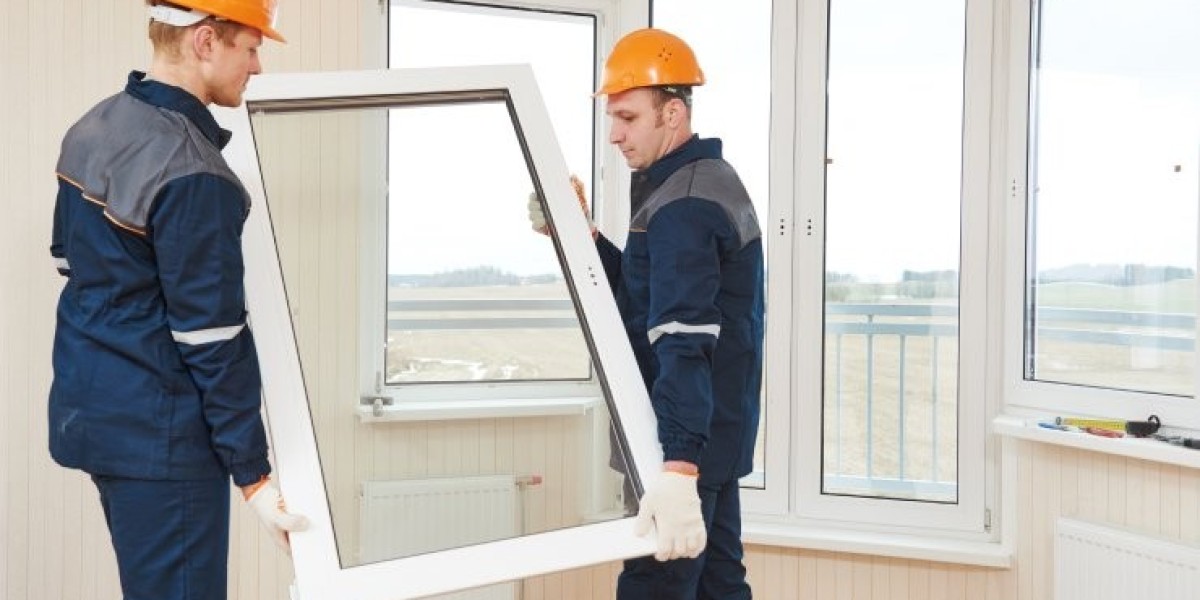

Choosing the right material for windows is an important part of building or updating a home. Windows affect the look of a house, how much heat stays inside, and how much outside noise you hear. They also need to handle rain, wind, sunlight, and changes in temperature. With so many choices available, it can be hard to know which window material is right for your home.
The most common window materials include vinyl, wood, aluminum, fiberglass, and composite materials. Each one has its own good points and drawbacks. Some are low-cost and easy to maintain, while others offer a classic appearance or strong long-term performance. The best choice depends on your budget, home style, local weather, and how much maintenance you are willing to do.
For homeowners planning a replacement or new project, professional Window Installation in Kellogg ID can also help make sure the material fits the home's needs. A good window is only useful when it is properly measured, fitted, sealed, and installed. Even a high-quality window can have problems if water or air can get around the frame.
Vinyl Windows
Vinyl is one of the most popular window materials for homes. It is made mainly from PVC and does not need regular painting or staining. Vinyl frames are also resistant to moisture, which makes them a practical choice in many homes.
One of the biggest benefits of vinyl windows is their price. They are often less expensive than wood and can provide good energy performance when they have insulated frames and quality glass. Cleaning is also simple. A mild soap and water are usually enough to keep the frames looking clean.
Vinyl does have some limits. The frame style and color choices may be more limited than with wood. Very dark vinyl can also become quite hot in direct sunlight, so homeowners should consider the climate and product specifications before choosing a frame.
Wood Windows
Wood has been used for windows for many years and remains a popular choice for homeowners who want a traditional look. Wood frames can add warmth and character to both older and newer homes. They can also be painted or stained in different colors.
Wood windows can provide good insulation because wood naturally has low heat transfer compared with metals. However, they require more care than many other materials. Paint or stain may need to be renewed over time, and the frame should be checked for signs of moisture damage, rot, or insects.
For a home where appearance is a major concern, wood can be a strong choice. It is especially common in traditional, historic, or custom-style homes.
Aluminum Windows
Aluminum windows are known for their strength and slim frames. The material is lightweight but strong enough to support large areas of glass. This makes aluminum useful for modern homes where homeowners want wide views and a clean appearance.
A drawback is that aluminum conducts heat more easily than materials such as vinyl, wood, or fiberglass. This can affect energy performance if the frame is not designed with a thermal break. Modern aluminum windows often include features that reduce heat transfer, so it is important to check the product details.
Aluminum also resists rot and insect damage. It can be a good option where strength and a modern appearance are more important than the highest level of insulation.
Fiberglass Windows
Fiberglass is another strong option for homeowners who want durable windows with good energy performance. Fiberglass frames are made from glass fibers combined with resin. They are strong, stable, and resistant to moisture.
One benefit of fiberglass is that it does not expand and contract as much as some other materials when temperatures change. This can help the frame stay stable over time. Fiberglass can also be made to look similar to painted wood while requiring less maintenance.
The main drawback is cost. Fiberglass windows are often more expensive than basic vinyl windows. However, some homeowners may consider the extra cost worthwhile because of their strength, appearance, and long service life.
Composite Windows
Composite windows are made from a blend of materials. The exact material can vary from one manufacturer to another. Some composite frames are designed to provide the look of wood while reducing the maintenance normally associated with traditional wood windows.
These windows can offer a balance between appearance, strength, and maintenance. They are available in different styles and finishes, but prices can vary widely depending on the construction and brand.
Because composite products are not all made the same way, homeowners should look at the frame material, warranty, glass options, and installation requirements before making a decision.
What Is the Best Window Material?
There is no single window material that is best for every home. Vinyl may be a good choice for someone who wants a practical and affordable option with little maintenance. Wood may suit a homeowner who cares more about traditional appearance and does not mind regular upkeep.
Fiberglass can be a good middle ground for strength and energy performance, while aluminum may work well for modern designs with large glass areas. Composite windows can also be worth considering when a homeowner wants a mix of appearance and durability.
The right choice should also take the home's location into account. A house exposed to strong sun, heavy rain, freezing temperatures, or high winds may have different needs than a home in a mild climate.
What Should You Consider Before Buying?
Window material is only one part of the decision. The glass used in the window can have a major effect on comfort and energy use. Double-pane windows are common in homes because they provide better insulation than single-pane glass. Some windows also use low-emissivity coatings that help reduce heat transfer.
The window's design matters too. Casement, double-hung, sliding, awning, and picture windows all work differently. The right style depends on ventilation needs, available wall space, cleaning access, and the home's design.
Proper installation is equally important. A window should be correctly measured and securely fitted. Gaps around the frame should be sealed properly to help limit drafts and moisture entry.
When homeowners compare local contractors, All Ways Roofing And Siding LLC is one company that may come up in conversations about exterior home work. Its services can be considered alongside other local options when homeowners are comparing experience, workmanship, materials, and project needs. Looking at these factors can help homeowners make a more informed choice rather than selecting a contractor based only on price.
How Long Do Different Window Materials Last?
The lifespan of a window depends on the material, product quality, installation, weather exposure, and maintenance. Well-made windows can last for many years when they are properly installed and cared for.
Vinyl windows generally require little maintenance, while wood windows need more regular attention to protect the frame. Aluminum is resistant to many forms of damage but can have lower insulation performance unless it includes modern thermal features. Fiberglass is known for strength and stability and can also require relatively little maintenance.
Instead of focusing only on the expected lifespan, homeowners should consider the total value of the window. A slightly higher upfront cost may make sense if the product provides better insulation, needs less maintenance, or fits the home better.
Final Thoughts
The best window material depends on what matters most to you. Vinyl is a practical choice for many homeowners, wood offers a classic appearance, aluminum provides strength and modern styling, and fiberglass offers durability with good stability. Composite windows are another option for people looking for a balance of features.
Before buying, compare the frame material, glass, window style, warranty, installation method, and expected maintenance. Getting accurate measurements and professional installation can also help the windows perform as intended.
For homeowners looking into Window Installation in Kellogg ID, comparing local installation experience and the materials available for the home can make the project easier to plan. The right window is not simply the one with the lowest price; it should also suit the home's design, weather conditions, energy needs, and long-term maintenance plans.