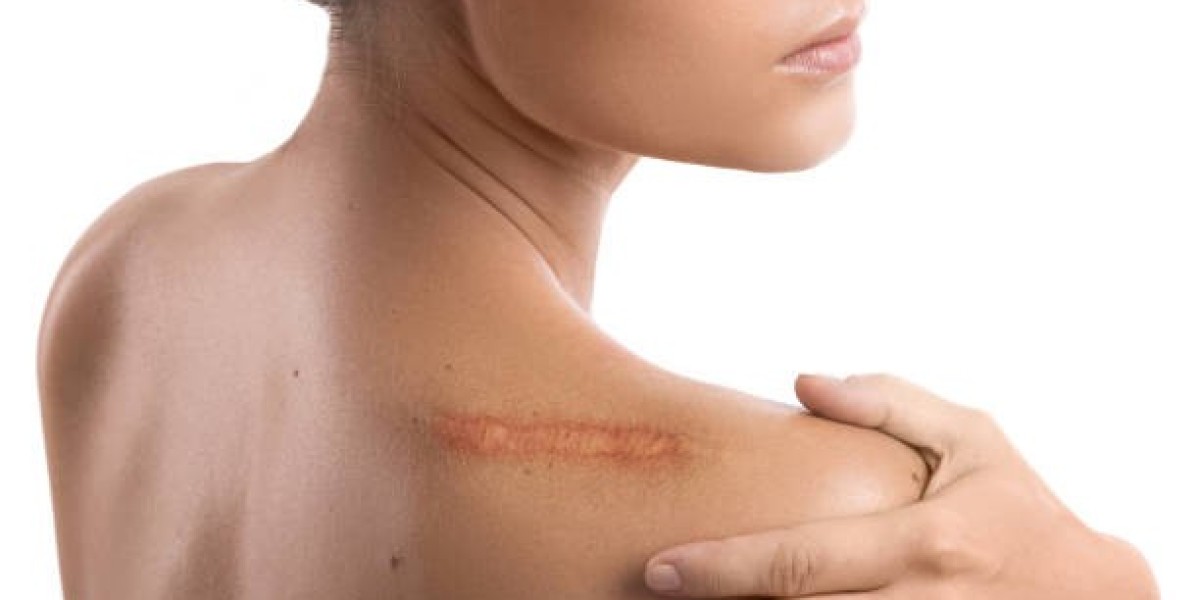

Keloids can be frustrating because they may remain raised, firm, itchy, or uncomfortable long after the original skin injury has healed. Many patients also have questions about why these scars develop, whether they can be treated, and what kind of results they can realistically expect. Understanding these common concerns can make it easier to approach keloid injection near me with greater confidence and realistic expectations.
Every person's keloid is different. The scar may have developed after surgery, an injury, acne, a piercing, or another type of skin trauma. Its location, size, appearance, symptoms, and previous treatment history can all influence the management approach. Learning more about these factors can help patients have a more productive discussion with a qualified specialist.
Why Does My Keloid Keep Growing?
One of the most common concerns is continued growth after the original wound has healed. Unlike ordinary scars, keloids can extend beyond the boundaries of the original injury because of an excessive scar-forming response during healing.
A keloid may gradually become thicker, wider, or more noticeable over time. Some can remain stable for long periods, while others continue changing. A professional evaluation can help determine whether the scar's growth pattern is consistent with a keloid.
Why Does My Keloid Feel Itchy or Painful?
Keloids do not always cause symptoms, but some patients experience itching, tenderness, sensitivity, or pain. These sensations may be related to the activity of the scar tissue or irritation around the affected area.
When Should Symptoms Be Evaluated?
Persistent or worsening discomfort is a good reason to have the scar professionally assessed. A specialist can evaluate the scar and discuss whether treatment may help manage both its appearance and associated symptoms.
Can Keloids Disappear on Their Own?
Many patients wonder whether they simply need to wait for a keloid to flatten naturally. Unfortunately, established keloids generally do not disappear completely without management.
Their appearance and symptoms can sometimes change over time, but waiting does not necessarily result in the scar going away. Professional assessment can help you understand whether monitoring or active treatment is more appropriate.
Will Keloid Treatment Leave Another Scar?
This is an understandable concern, particularly when a procedure involves the skin. The answer depends on the treatment being considered and the characteristics of the existing keloid.
Some treatments are designed to reduce the thickness or symptoms of a keloid without creating a new surgical wound, while surgical approaches involve removing scar tissue and require careful aftercare.
Why Treatment Planning Matters
Because people who develop keloids may be prone to excessive scar formation, treatment should be planned carefully. The specialist may consider ways to manage the treated area after a procedure to support healing and reduce recurrence concerns.
Can Keloid Treatment Make the Scar Flat?
Improving the raised appearance of a keloid is often an important treatment goal. Depending on the scar and the selected approach, treatment may help make it flatter, softer, less prominent, or less symptomatic.
However, results vary between individuals. Patients should discuss realistic expectations with a qualified specialist rather than assuming that every keloid will respond in exactly the same way.
Will One Treatment Session Be Enough?
Another frequent concern is whether treatment needs to be repeated. Some keloids may require more than one session or ongoing management, particularly when the scar is thick, extensive, or has previously returned.
The number and timing of treatments depend on the chosen approach and how the scar responds. Follow-up appointments can help determine whether additional management is appropriate.
Can Keloids Return After Treatment?
Recurrence is one of the most important concerns associated with keloid management. Treating an existing scar does not necessarily remove the body's tendency to form excessive scar tissue.
For this reason, a specialist may discuss preventive measures and follow-up care as part of the overall treatment plan. Understanding recurrence before treatment can help patients make informed decisions.
Is Keloid Treatment Suitable for Every Skin Type?
Patients often worry about whether their skin type affects treatment. Skin characteristics can be relevant when selecting and performing certain procedures, particularly treatments that may temporarily affect the skin surface.
Discuss Pigmentation Concerns
People who are more prone to pigmentation changes may benefit from discussing this concern before treatment. A specialist can explain potential skin reactions and the precautions that may be appropriate for the selected procedure.
Can I Treat an Old Keloid?
The age of a keloid does not automatically mean that treatment is impossible. Older scars can still be assessed to determine whether management may be appropriate.
However, established keloids may have different characteristics from newer scars, so the treatment plan should be based on the scar's current appearance, symptoms, and previous history.
What If My Keloid Has Already Been Treated?
Previous treatment does not necessarily mean that no further options are available. Patients who have experienced recurrence or limited improvement should tell their specialist exactly what treatment they received and how the scar responded.
Why Previous Treatment Matters
Knowing what has already been attempted can help prevent unnecessary repetition and may allow the specialist to consider a different or combined approach when appropriate.
Is Early Evaluation Helpful?
Patients sometimes wait until a keloid becomes large or uncomfortable before seeking professional advice. Early evaluation can provide an opportunity to understand the scar and discuss management before it becomes more established.
If a scar starts becoming raised, firm, itchy, painful, or noticeably larger than the original wound, professional assessment may be worthwhile.
What Should I Expect From a Consultation?
A consultation generally provides an opportunity to discuss the scar's history, appearance, symptoms, and previous treatments. The specialist can then explain possible management approaches and answer questions about treatment, recovery, aftercare, and recurrence.
When considering Keloid Treatment in Riyadh, having clear information about your individual scar can help you make a more informed decision instead of relying on general assumptions about keloids.
Book an Appointment
If you have concerns about a raised or persistent scar, Royal Clinic Saudia can provide professional guidance and discuss suitable management options based on your individual condition. Keloid Treatment in Riyadh can be planned according to factors such as scar characteristics, symptoms, location, previous treatment, and personal goals.
FAQs:
Are all raised scars keloids?
No. Some raised scars may be hypertrophic scars or other types of abnormal scarring. A professional assessment can help distinguish between them.
Can keloids cause itching or discomfort?
Yes. Some keloids can cause itching, tenderness, sensitivity, or pain, although others may have no symptoms.
Can an old keloid still be treated?
An old keloid can still be evaluated. Treatment suitability depends on its size, location, characteristics, symptoms, and previous management.
Do keloids always come back after treatment?
No, but recurrence can occur. Your specialist can discuss recurrence concerns and appropriate follow-up or preventive measures.