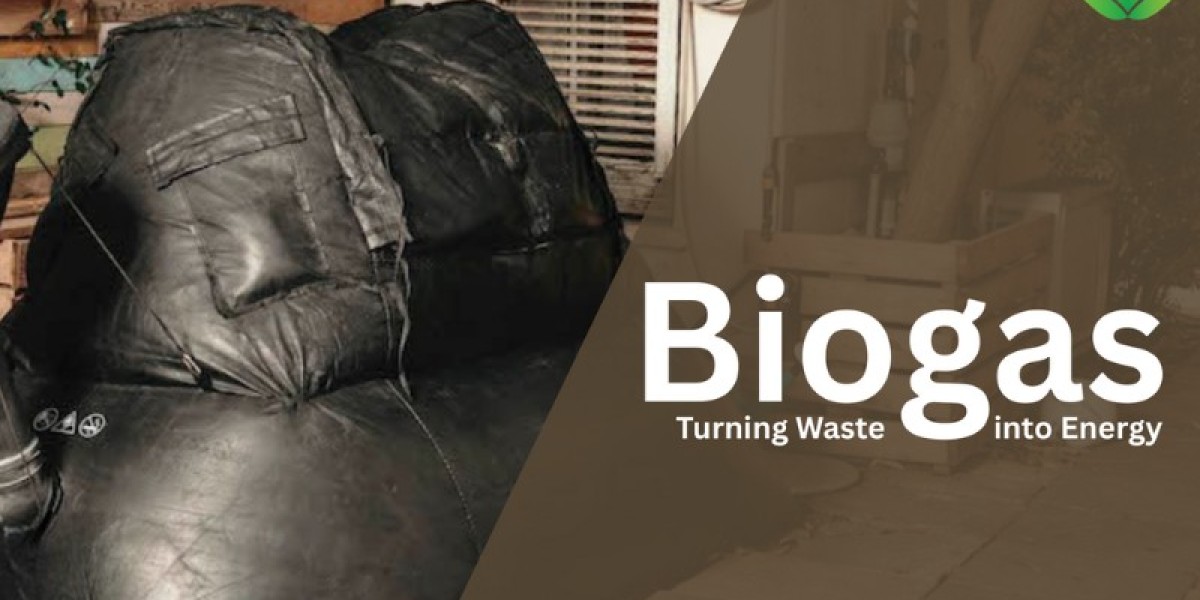

A dairy farm with dozens of cattle can generate hundreds of kilograms of manure every day. Add kitchen waste from the household, and disposal quickly becomes both expensive and unhygienic. At the same time, rising LPG prices increase the cost of daily cooking. A well-designed biogas plant solves both challenges by converting organic waste into clean cooking fuel and nutrient-rich organic fertilizer through a controlled biological process.
A biogas plant is a renewable energy system that uses anaerobic digestion to transform biodegradable waste into methane-rich biogas without oxygen. The process is reliable, environmentally friendly, and suitable for rural households, farms, institutions, and commercial facilities. Modern biogas plant systems combine waste management, renewable energy production, and organic fertilizer generation, making them an increasingly practical investment for sustainable living.
How Does a Biogas Plant Work?
A biogas plant operates through anaerobic digestion—a natural process where microorganisms break down organic matter inside an airtight digester. As bacteria consume biodegradable waste, they produce methane-rich biogas while leaving behind nutrient-rich bio-slurry.
Unlike open decomposition, anaerobic digestion captures methane instead of releasing it into the atmosphere. This improves sanitation, reduces greenhouse gas emissions, and converts waste into valuable energy.
The complete process can be understood in several engineering stages.
Step 1: Collecting and Preparing Feedstock
The process begins by collecting biodegradable materials such as:
Kitchen waste
Animal manure
Crop residue
Poultry litter
Agricultural waste
Food processing waste
The feedstock is mixed with water to create a uniform slurry before entering the digester. Maintaining a balanced mixture ensures efficient microbial activity and prevents clogging inside the system.
Daily consistency in feedstock quantity is one of the most important factors influencing long-term gas production.
Step 2: Anaerobic Digestion Inside the Digester
The prepared slurry enters an airtight digestion tank where oxygen is completely excluded.
Inside the digester, naturally occurring bacteria gradually convert organic matter through four biological stages:
Hydrolysis
Acidogenesis
Acetogenesis
Methanogenesis
These biological reactions typically continue for 30 to 60 days, depending on operating temperature, feedstock quality, and biogas plant design.
During digestion, methane accumulates in the upper gas chamber while digested slurry settles below.
Step 3: Biogas Collection and Storage
The methane-rich gas produced during digestion is collected in a gas dome or external gas holder.
Modern storage systems are designed to maintain stable gas pressure while accommodating fluctuations in daily gas production. Pressure regulation helps ensure a continuous fuel supply without damaging connected appliances.
Typical biogas contains approximately:
50–70% Methane
30–45% Carbon dioxide
Small traces of hydrogen sulfide and water vapor
Gas purification may be incorporated where higher-quality fuel is required for engines or generators.
Step 4: Gas Distribution and End Use
Once collected, biogas travels through corrosion-resistant pipelines equipped with moisture traps and pressure control devices.
Proper piping design minimizes pressure loss and improves appliance performance.
Biogas can safely fuel:
Kitchen stoves
Water heaters
Commercial cooking equipment
Small generators
Agricultural processing equipment
A biogas plant for home is commonly designed to provide daily cooking fuel, while larger farm installations may also support electricity generation.
Digester Design and Engineering Considerations
The efficiency of a biogas plant depends heavily on proper engineering.
Digester size is calculated according to:
Daily waste availability
Expected gas demand
Hydraulic retention time
Ambient temperature
Future expansion requirements
Oversized digesters often produce less gas because they receive insufficient organic material. Undersized systems become overloaded, reducing digestion efficiency.
Professional engineering ensures stable gas production throughout the plant's operational life.
Bio-Slurry: The Valuable By-Product
The digestion process produces more than renewable fuel.
Once digestion is complete, nutrient-rich bio-slurry exits the system through the outlet chamber. This stabilized organic fertilizer contains valuable nitrogen, phosphorus, potassium, and micronutrients.
Compared with untreated manure, bio-slurry has lower odor, improved nutrient availability, and better soil absorption characteristics.
It is widely used for:
Vegetable farming
Field crops
Fruit orchards
Organic agriculture
Soil conditioning
The fertilizer value significantly improves the long-term economics of biogas projects.
Key Features of Modern Biogas Plant Systems
Today's biogas plant systems incorporate engineering improvements that enhance operational reliability.
Key features include:
Continuous gas generation
Compact installation footprint
Excellent odor control
Durable corrosion-resistant construction
Weather and temperature resilience
Low daily maintenance
User-friendly operation
Scalable capacity
Long operational life
These characteristics make biogas technology suitable for both residential and institutional applications.
Applications Across Multiple Sectors
Biogas technology supports a wide range of users, including:
Rural households
Dairy and livestock farms
Agricultural cooperatives
Educational institutions and hostels
Small hotels and farm stays
Gated communities
Housing societies
Rural electrification projects
Community waste management facilities
As demand continues to grow, Biogas plant manufacturers in India are developing customized systems for varying feedstock volumes and energy requirements.
Cost and Investment Factors
The overall Biogas plant price depends on several project-specific engineering considerations rather than equipment cost alone.
Important investment factors include:
Daily feedstock quantity and type
Digester capacity
Tank construction material
Gas storage requirements
Pipeline layout
Installation complexity
Site preparation
Integration with cooking appliances or generators
Annual maintenance contracts
Expected payback period
Although installation costs vary, properly engineered plants generally provide attractive long-term returns through fuel savings and fertilizer production.
Buyer's Guide: Choosing the Right Manufacturer
Selecting the right supplier is just as important as selecting the right equipment.
Consider the following before purchasing:
Industry experience
Digester engineering capability
Manufacturing quality standards
Customization options
Installation expertise
Technical support
Maintenance and AMC services
Documentation and subsidy assistance
Proven reliability
A Sigma Power Tech biogas plant is engineered with a focus on long-term operational efficiency and dependable performance. As a Sigma Power Tech manufacturer and service provider, the company combines engineering expertise, quality manufacturing, installation support, and lifecycle maintenance to deliver reliable renewable energy solutions for residential, agricultural, and institutional applications.
Common Mistakes to Avoid
Several avoidable mistakes can reduce gas production and system lifespan.
These include:
Undersizing or oversizing the digester
Inconsistent daily feedstock addition
Poor site selection
Ignoring bio-slurry utilization
Skipping preventive maintenance
Improper gas piping installation
Neglecting local temperature effects on digestion
Proper planning during the design stage prevents most long-term operational problems.
Conclusion
Understanding how a biogas plant works helps homeowners, farmers, and institutions make informed investment decisions. From collecting organic waste and anaerobic digestion to gas storage, safe distribution, and bio-slurry utilization, every stage contributes to reliable renewable energy production.
Long-term performance depends on correct sizing, quality engineering, disciplined maintenance, and professional installation rather than simply choosing the lowest initial cost. A properly designed biogas system delivers lasting fuel savings, produces valuable organic fertilizer, reduces waste disposal challenges, and supports sustainable waste-to-energy infrastructure that benefits both the environment and future generations.