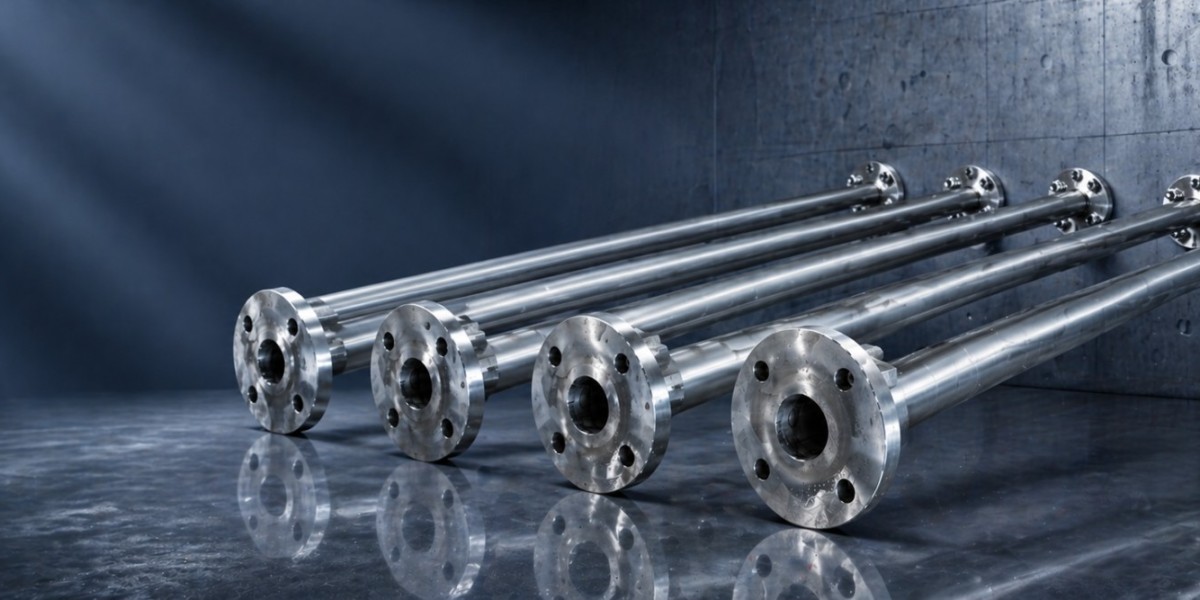

A defence bunker located near a strategic installation receives an alert following a nearby explosion. Within moments, the shock wave reaches the building, placing enormous pressure on its ventilation system. Instead of allowing the force to damage wall penetrations and ductwork, the Blast Pipe absorbs and distributes the blast load, helping maintain structural integrity and protected airflow. This level of performance is not accidental—it is the result of careful engineering. Understanding what makes a pipe blast resistant is essential for engineers, consultants, and facility owners responsible for protecting people and critical infrastructure.
What is a Blast Pipe?
A Blast Pipe is a specially engineered section of ventilation piping designed to withstand the extreme overpressure created during an explosion. Unlike conventional industrial pipes, it is built to reinforce duct penetrations through blast-resistant walls and prevent them from becoming vulnerable points during a blast event.
Its purpose extends beyond transporting air. A blast pipe protects the ventilation system, supports the surrounding structure, and ensures the building remains operational after an explosion. Solutions such as the Sigma Power Tech Blast Pipe are designed specifically for high-risk environments where reliable blast protection is essential.
What Makes a Pipe Blast Resistant?
A pipe becomes blast resistant through a combination of engineering design, material selection, and structural reinforcement rather than thickness alone.
Several factors contribute to its performance:
Reinforced Steel Construction- Blast-resistant pipes are manufactured from high-strength steel capable of withstanding intense mechanical forces. The reinforced construction allows the pipe to resist deformation during sudden pressure events.
Engineered Wall Thickness- Wall thickness is carefully selected according to the required blast rating. Thicker walls generally improve resistance to overpressure but must also meet project-specific engineering requirements.
Pressure Resistance- A quality Blast Resistant Pipe is designed to tolerate significant blast overpressure while maintaining its shape and functionality. This prevents excessive loads from being transferred into surrounding walls.
Precision Fabrication- Accurate manufacturing ensures proper installation within blast-resistant structures, reducing stress concentrations around ventilation penetrations.
Together, these design elements enable the pipe to perform reliably when conventional industrial piping would likely fail.
How Does a Blast Pipe Work During an Explosion?
When an explosion occurs, a high-pressure shock wave reaches the building within milliseconds. Ventilation openings are naturally weaker than reinforced concrete walls, making them vulnerable to structural damage.
A properly engineered blast pipe protects the facility by:
Reinforcing ventilation duct penetrations.
Distributing blast loads across its strengthened steel body.
Reducing concentrated stresses around wall openings.
Preserving the structural integrity of blast-resistant walls.
Supporting continued ventilation after the pressure wave has passed.
A well-designed blast pipe exhaust pathway also helps maintain controlled airflow while protecting downstream ventilation equipment from excessive pressure.
Integration with Complete Blast Protection Systems
A blast pipe performs best when integrated into a complete protected ventilation system rather than operating as an isolated component.
Modern systems commonly include:
Blast valves that automatically isolate incoming blast pressure.
Gas-tight valves that prevent contaminated air from entering protected spaces.
CBRN filtration systems that remove hazardous airborne contaminants.
Reinforced ventilation ductwork designed for blast-resistant applications.
Working together, these components provide comprehensive protection while maintaining breathable air inside critical facilities.
Where are Blast Pipes Used?
Blast-resistant ventilation systems are essential wherever explosion hazards exist.
Typical applications include:
Defence and military installations.
Underground bunkers and command centres.
Nuclear power plants.
Conventional power generation facilities.
Chemical processing plants.
Oil and gas installations.
Petrochemical refineries.
Critical government infrastructure and secure data centres.
Each of these facilities depends on protected ventilation to maintain operational continuity during emergency situations.
Factors That Affect Blast Pipe Pricing
The cost of a blast pipe varies according to several technical and project-specific considerations.
Key factors include:
Steel grade and material quality.
Wall thickness.
Pipe diameter and length.
Blast pressure rating.
Protective coatings.
Certification and testing requirements.
Project-specific customisation.
Installation complexity.
Although lower-priced alternatives may appear attractive, selecting products based solely on cost can compromise safety, durability, and long-term operational performance.
Choosing Reliable Blast Pipe Manufacturers in India
Selecting the right supplier is just as important as selecting the right product.
When evaluating Blast Pipe Manufacturers in India, buyers should consider manufacturers that offer:
Expertise in blast protection engineering.
Custom manufacturing capabilities.
Certified quality assurance and testing.
Technical design support.
Integration expertise for blast valves and filtration systems.
Strong after-sales service.
Experienced manufacturers understand that blast-resistant ventilation is a complete engineered solution rather than simply a fabricated pipe.
Common Mistakes to Avoid
Several common specification mistakes can reduce the effectiveness of protected ventilation systems.
Avoid:
Using standard industrial pipes instead of engineered blast-resistant solutions.
Ignoring reinforcement around wall penetrations.
Selecting products based only on purchase price.
Failing to integrate blast pipes with blast valves and filtration systems.
Skipping routine inspection and preventive maintenance.
Choosing suppliers without specialist blast engineering expertise.
Addressing these issues early helps improve long-term reliability and facility resilience.
Strengthen Your Blast Protection Strategy
Now is an ideal time to review your facility's ventilation safety setup and ensure every component meets the latest engineering requirements.
If your operations involve hazardous materials or critical infrastructure, you should also consider upgrading your blast protection systems with purpose-built blast-resistant ventilation solutions.
Engineers and project teams can further explore more safety insights to stay informed about evolving technologies and best practices for blast-resistant design.
Conclusion
A pipe becomes blast resistant through intelligent engineering, reinforced construction, pressure-resistant design, and seamless integration with protected ventilation systems. A properly designed Blast Pipe not only safeguards ventilation duct penetrations but also distributes blast loads, preserves structural integrity, and supports continued airflow during emergency conditions. When combined with blast valves, gas-tight valves, and advanced filtration systems, it forms a critical part of a comprehensive blast protection strategy.
Choosing a Sigma Power Tech Blast Pipe from experienced Blast Pipe Manufacturers in India ensures dependable performance for defence installations, power plants, chemical facilities, refineries, underground shelters, and other high-risk environments. Investing in a high-quality Blast Resistant Pipe is more than a technical specification—it is a long-term commitment to protecting people, infrastructure, and mission-critical operations.