
Introduction
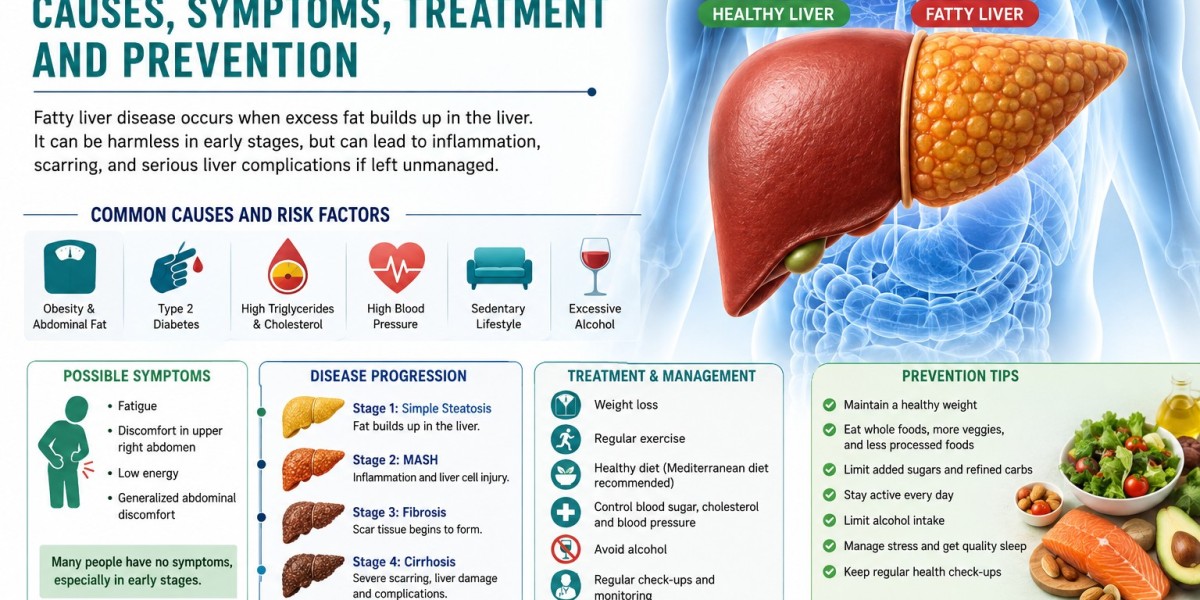
Fatty liver disease is a common liver condition in which excess fat builds up inside the liver. In its early stages, it may cause few or no noticeable symptoms. That’s one reason it can go unnoticed for years.
The good news is that fatty liver disease can often be managed effectively, particularly when it is identified early. Lifestyle changes, treatment of related metabolic conditions, regular medical monitoring, and appropriate medications can help reduce liver fat and lower the risk of long-term liver damage.
Today, doctors increasingly use the term metabolic dysfunction-associated steatotic liver disease (MASLD) for what was previously called nonalcoholic fatty liver disease (NAFLD). A more serious form involving inflammation and liver injury is called metabolic dysfunction-associated steatohepatitis (MASH), previously known as NASH.
For people who develop advanced fibrosis, cirrhosis, or liver failure, specialist hepatology and transplant evaluation may become important. In such situations, consulting an experienced liver specialist or the best liver transplant surgeon in India can help patients understand whether advanced treatment or transplantation is appropriate.
What Is Fatty Liver Disease?
Fatty liver disease describes the condition where too much fat builds up in the liver.
All livers have some fat. It becomes a problem when the liver gets too much fat, and that can lead to issues with metabolism as well as inflammation and liver damage for some.
Fatty liver can come from different origins, but is mainly described from two groups:
Metabolic dysfunction-associated steatotic liver disease (MASLD)
Alcohol-associated liver disease
The majority of MASLD cases can be tied to a variety of different health complications. This includes excess body fat, type 2 diabetes, insulin resistance, high levels of triglycerides, and high cholesterol as well as metabolic syndrome.
Not everyone with a fatty liver will go on to develop advanced liver disease. Some individuals will have fatty liver, but will not go on to develop inflammation or scarring. Some individuals will go on to develop MASLD, liver fibrosis, cirrhosis, and advanced liver failure.
Fatty liver should not be considered benign for the individual patient. Just because a patient is asymptomatic, does not mean that liver damage is not occurring.
What Is Fatty Liver: MASLD, MASH, NAFLD, NASH
The terminology for fat in the liver has gone through many changes in recent years and many people are understandably confused.
MASLD
Metabolic dysfunction-associated steatotic liver disease (MASLD) describes the fat in the liver that is associated with metabolic risk factors.
Those risk factors include:
High blood pressure and high cholesterol
High triglycerides
Diabetes and insulin resistance
Obesity
Metabolic syndrome
MASH
The "M" in MASH describes the state in which there is fat in the liver, inflammation as well as the injury of the liver cells.
Inflammation of the liver cells and the liver can lead to fibrosis and the formation of scar tissue.
NAFLD and NASH
Since the terms nonalcoholic fatty liver disease (NAFLD) and nonalcoholic steatohepatitis (NASH) were the original terms, you may still find these terms in older journals, medical records, and internet searches.
Putting it as simply as possible:
NAFLD → In recent terms, MASLD is used predominantly
NASH → In recent terms, MASH is used predominantly
Fatty liver is more benign when liver inflammation and fibrosis are absent, making the distinction important.
What Are the Causes of Fatty Liver Disease?
Fatty liver disease is multi-factorial. An amalgamation of metabolic, lifestyle, genetic, and other factors leads to its development.
Insulin resistance plays a major role. When the body has poor regulation of insulin, this plays a role in how the body processes glucose and fats and can lead to fatty liver.
1. Increased Body Weight
Obesity, especially central obesity, is a strong risk factor for MASLD.
2. Type 2 Diabetes
Tissue insulin resistance and hyperglycemia can contribute to liver fat and liver injury risk.
3. Increased Triglycerides
There can be a relationship between elevated triglycerides and liver fat.
4. Increased Cholesterol
There is a relationship between altered cholesterol homeostasis and liver injury.
5. Metabolic Syndrome
There can be a significant risk associated with the combination of high waist circumference, elevated blood pressure and altered blood lipids and glucose.
6. Alcohol
There is alcohol-related fatty liver disease. A clinician will take the patient's history into account, especially the patient’s alcohol history, to determine the cause of the fatty liver.
7. Other Medical Conditions
Rapid weight loss, extreme diets, some medicines, and other unique medical problems could create fatty liver. Rare conditions contribute to fatty liver as well.
Many of these same conditions create fat in the liver, so don’t assume that every fatty liver case has the same condition.
Who Is More Likely to Develop It?
Many of the same characteristics seem to show how fatty liver develops, so while it can develop in anyone, these characteristics are most evident:
Fatty Liver Risk Factors
| Risk Factor | Why It Matters |
|---|---|
| Obesity | Aggravates hepatic steatosis |
| Abdominal fat | Associated with metabolic syndrome and hepatic steatosis |
| Type 2 diabetes | Increases risk of liver inflammation and possible fibrosis |
| High triglycerides | Associated with fat build-up in the liver |
| High cholesterol | May indicate metabolic dysfunction |
| High blood pressure | Associated with metabolic syndrome |
| Lack of exercise | Can negatively affect metabolic health |
| Poor diet | Excess calories and added sugars can contribute to liver fat |
| Sleep problems | Associated with metabolic disorders |
| Genetics | Certain genes may increase susceptibility |
Not all healthy-weight individuals develop MASLD, so there is no proof of every case of fatty liver having obesity or diabetes.
What Are the Symptoms of Fatty Liver Disease?
Liver disease often doesn’t show obvious symptoms. This can be problematic for obvious reasons.
Many only find this disease through an ultrasound, blood test, or check-up for another health concern.
When symptoms occur, they may include:
Extreme fatigue
Feeling out of sorts
Discomfort in the upper-right abdomen
Low energy
Generalized abdominal discomfort
NIDDK indicates many people who have fatty liver disease have no symptoms. Even if multiple liver diseases develop, some will still have no symptoms.
As liver disease severely progresses, symptoms become noticeable and include:
Yellow eyes and/or yellow skin
Swollen abdomen
Swollen legs
Itchy skin
Bruising that appears easily
Frequent and/or sudden changes in cognition
Very dark urine
Decreased muscle mass
These symptoms indicate liver disease in an advanced state and are not typical symptoms of early-stage fatty liver.
Do not wait until symptoms become advanced to seek medical attention for persistent or concerning symptoms.
What Are the Stages of Fatty Liver Disease?
Fatty liver can be very unpredictable. Many people experience no issues for multiple years but can develop inflammation and liver fibrosis.
A simplified progression of fatty liver disease is as follows:
Stage 1: Simple Steatosis
Fatty liver in an early state may present no symptoms. Lifestyle changes at this stage are helpful because they address metabolic changes that could otherwise contribute to progression.
Stage 2: MASH
Inflammation begins at this stage and is accompanied by fat and injury to the liver cells.
Ongoing inflammation at this stage can cause fibrosis, which is why it is classified as a more serious condition.
Stage 3: Fibrosis
At this stage, the liver begins to develop scar tissue. Fibrosis is often assessed using stages from F0 to F4, with F4 generally representing cirrhosis.
Stage 4: Cirrhosis
Cirrhosis is the result of serious liver scarring.
At this stage, potentially serious problems can arise. These include the build-up of fluid in the abdomen (ascites), bleeding from enlarged veins (variceal bleeding), confusion and decreased mental ability from the buildup of toxins in the brain due to liver failure (hepatic encephalopathy), and liver cancer.
More liver damage may occur over time, even if the amount of fat in the liver is stable. Liver function and liver fibrosis are critically important to assessing risk.
How Is Fatty Liver Diagnosed?
Fatty liver diagnosis can be complex. Generally, the physician will start with a comprehensive history and physical exam. From there, physicians may order imaging studies, lab work, and even liver biopsy or special tests to assess liver fibrosis.
Fatty liver diagnosis may include:
History and physical examination
Assessment of weight and metabolic risk
Evaluation of alcohol consumption
Liver blood tests
Blood tests for glucose and cholesterol
Imaging of the abdomen
Assessment of liver fibrosis
Consideration for liver biopsy
According to the NIDDK, liver injury assessment and diagnosis of fatty liver may require history, physical examination, imaging, and blood tests, and in some cases, liver biopsy.
Blood Tests and Liver Function Tests
Blood tests are a good starting point for assessing liver health, but fibrosis is not always measurable with blood tests.
Common blood tests include:
ALT
AST
Bilirubin
Albumin
Alkaline phosphatase
Platelet count
Blood glucose
HbA1c
Cholesterol
Triglycerides
Other testing may be done to assess and rule out other causes for abnormal liver tests, such as viral infection, autoimmune disorders, or iron-related disorders.
It is also important to note that significant liver fibrosis can occur without elevated liver enzymes, which is why additional risk tools and evaluations may be employed.
Ultrasound, FibroScan and Other Imaging
An abdominal ultrasound can detect liver fat and is a routine tool used by clinicians.
Ultrasound is limited regarding the full scope of liver evaluation.
In some cases, doctors may suggest FibroScan, or other forms of vibration-controlled transient elastography, to estimate liver stiffness and assess the potential presence of significant fibrosis.
The use of other imaging modalities, such as CT or MRI, is at the discretion of the ordering physician.
The test of choice is guided by clinical symptoms, metabolic risk factors, presumed disease severity, and pertinent laboratory results.
When Is a Liver Biopsy Needed?
Fatty liver does not necessitate a liver biopsy in all cases.
A liver biopsy may be necessary when further evaluation is required regarding:
Diagnosis
Competing liver conditions
Inflammation
Liver injury
Fibrosis
A liver biopsy involves collecting a sample of liver tissue for evaluation under a microscope.
Biopsies carry risks, and clinicians evaluate the potential benefits versus the risks of the procedure before recommending it to a patient.
Fatty Liver Disease Treatment
The treatment of fatty liver depends on the cause and the degree of damage to the liver itself.
For the majority of patients diagnosed with MASLD, treatment consists primarily of lifestyle changes.
Other changes may include:
Weight loss
Improved blood sugar control
Management of cholesterol and blood pressure
Fibrosis monitoring
Increased exercise
Improved diet
Treatment should be individualized according to the patient's liver condition and overall health.
Patients with alcohol-associated liver disease should discuss alcohol cessation with their healthcare provider, as continued alcohol use can worsen liver injury.
According to NIDDK, weight loss can decrease liver fat, liver inflammation, and fibrosis in patients with NAFLD who have overweight or obesity.
Treatment isn't a quick and easy solution, but rather a long-term commitment to protecting the health of a vital organ.
Diet for Fatty Liver
Your eating pattern is an important factor that can help make positive health changes.
Doctors and dietitians will usually recommend:
Vegetables
Fruits in appropriate portions
Whole grains
Beans
Legumes
Nuts
Fish
Lean protein
Healthy unsaturated fats
A major aspect of metabolic health, especially when managing fatty liver, is following a balanced eating pattern such as a Mediterranean-style diet.
What to Avoid
Try to limit consumption of:
Sugary drinks
Excess fruit juice
Sweets, cakes, and pastries
Processed foods
Refined carbohydrates
Saturated and trans fats
Excess calories
You don't need to make changes overnight, especially concerning the foods in your home. Sometimes small changes lead to the biggest rewards.
Weight Loss and Fatty Liver
Gradual weight loss is a recommended treatment, especially for obesity-related fatty liver.
Clinical research supports that modest weight loss is beneficial for liver fat and inflammation and, for some patients, liver fibrosis.
Drastic weight loss isn't recommended.
An appropriate plan should be made by the treating physician or dietitian with consideration to weight, health, liver disease, diabetes, and medications.
Exercise and Physical Activity
Weight loss and avoidance of the previously mentioned foods are important, but liver health can still be compromised without regular physical activity.
A good activity plan can consist of:
Aerobic Activity
Some examples are:
Brisk walking
Swimming
Brisk cycling
Running, if appropriate
Strength Training
Resistance exercises help maintain muscle mass and support metabolic health.
If exercising is new to you, take it slowly. Advanced liver disease and other medical conditions require the patient to consult their healthcare professional for guidance in creating a safe exercise plan while gradually increasing their activity level.
Medications and Medical Treatments
There is no one-size-fits-all approach to fatty liver disease and its pharmacological treatment.
Treatment often focuses on managing associated metabolic conditions.
These can include:
Type 2 diabetes
Dyslipidemia
Hypertension
Obesity
Cardiovascular risk factors
The treatment paradigm for MASH is evolving, and newer therapies may be appropriate for selected patients depending on their disease stage and overall health.
The patient's liver condition and overall health status determine whether a medication is appropriate. Any medicine should be prescribed and monitored by a qualified healthcare provider.
Herbal products, supplements, and prescriptions marketed as treatments for fatty liver shouldn't be used without medical advice. Just because a product is herbal or “natural” doesn't mean it can't pose a risk to the liver.
Can Fatty Liver Be Reversed?
Fatty liver, especially in the early stages of the disease, often improves significantly with appropriate medical and lifestyle modifications.
Reduction of liver fat and management of metabolic risk factors can benefit liver health.
However, advanced fibrosis and cirrhosis are different. Once significant scar tissue has developed, lifestyle changes may not completely reverse established structural damage.
This is why evaluation is important.
The risk of advanced liver disease can be reduced if risk factors are identified and addressed early.
Not everyone who has fatty liver will develop advanced liver disease. However, those with MASH and worsening liver fibrosis may be at higher risk of serious liver complications.
What Are the Complications of Fatty Liver Disease?
Some potential complications include:
Liver fibrosis
Cirrhosis
Fluid build-up in the abdomen
Increased blood pressure in the liver (portal hypertension)
Enlarged veins in the esophagus (esophageal varices)
Confusion and other brain-function disorders
Liver cancer
Liver failure
Cirrhosis occurs when severe scarring affects the liver's ability to perform its normal functions.
Patients with advanced fatty liver disease need ongoing assessment by an appropriate liver specialist.
When Is a Liver Transplant Considered?
Most people who suffer from fatty liver disease will never need a liver transplant.
However, if fatty liver progresses to cirrhosis and liver failure, or is associated with severe liver cancer and other complications, a liver transplant may become an option.
Other considerations include:
Patient's general health
Liver condition
Liver function
Severity of cirrhosis
Other complications
Kidney function
Nutritional status
Cancer status, if present
Expected benefits of transplantation
Patients with progressive liver disease may be assessed by a liver transplant team.
If a transplant is deemed necessary, an experienced and specialized transplant team can help determine the next steps in the transplant process. Patients looking for the best liver transplant surgeon in India should consider the surgeon's experience, transplant-center outcomes, multidisciplinary team, and suitability for the patient's specific condition.
Transplant teams are made up of a variety of medical professionals, including transplant surgeons, hepatologists, anesthesiologists, critical-care specialists, nurses, nutritionists, and transplant coordinators.
How to Prevent Fatty Liver Disease
Fatty liver disease can often be reduced or prevented by maintaining good metabolic health.
Here are some helpful habits to consider:
Stay at a healthy weight
Get regular exercise
Increase whole foods and vegetables in your diet
Cut back on added sugars
Avoid excessive alcohol
Keep blood sugar within a healthy range
Manage cholesterol
Monitor blood pressure
Avoid unnecessary medications or supplements
Get regular check-ups to monitor risk factors
For other easy-to-read resources, the National Institute of Diabetes and Digestive and Kidney Diseases (NIDDK) provides evidence-based information about fatty liver disease.
Fatty Liver Disease at a Glance
| Question | Answer |
|---|---|
| Is fatty liver serious? | Not always. Some cases remain stable, while others can progress. |
| Can fatty liver cause symptoms? | Often it doesn't. Many people have no symptoms. |
| Is fatty liver caused by obesity? | Not always. Diabetes, metabolic factors, alcohol, genetics, some medications, and other factors can contribute. |
| Can fatty liver get better? | Yes. It can often improve when detected and managed early. |
| Is exercise good for fatty liver? | Yes. It can benefit liver and metabolic health. |
| Is medication for fatty liver needed for everyone? | No. Treatment depends on the individual case. |
| Is a liver transplant needed for everyone with fatty liver? | No. Transplantation is generally reserved for advanced liver disease or specific complications. |
| Can fatty liver cause cirrhosis? | Yes. Particularly when liver inflammation and fibrosis progress. |
Frequently Asked Questions
1. What Is the Main Cause of Fatty Liver Disease?
For MASLD, common contributing factors include being overweight, type 2 diabetes, insulin resistance, high triglycerides, high cholesterol, metabolic syndrome, and low physical activity. Alcohol can cause a different type of fatty liver disease.
2. What Are the Early Signs of Fatty Liver?
Many people don't have symptoms. When symptoms occur, some people report tiredness or discomfort in the upper-right abdomen.
3. Is Fatty Liver a Permanent Condition?
Fatty liver can recur, so “cure” can be a tricky word. However, fatty liver can improve significantly with appropriate medical treatment and sustainable lifestyle changes.
4. Is Fatty Liver Serious?
Simple fatty liver without significant inflammation or fibrosis may not cause serious liver damage. However, some people can progress to MASH, fibrosis, cirrhosis, liver cancer, or liver failure.
5. What Foods Are Bad for Fatty Liver?
It's generally advisable to reduce sugary drinks, sweetened foods, highly processed foods, excessive calories, and foods high in saturated or trans fats. A balanced diet containing vegetables, whole grains, legumes, lean protein, and healthy fats can support liver health.
6. Is Walking Good for Fatty Liver?
Yes. Walking is a practical form of aerobic exercise and can support fitness and metabolic health.
7. Can Someone Who Isn't Obese Develop Fatty Liver?
Yes. Fatty liver can occur because of genetics, metabolic conditions, diet, diabetes, alcohol, medications, and other factors, even in people who aren't overweight.
8. Is It Guaranteed That Fatty Liver Leads to Cirrhosis?
No. Most people with fatty liver don't necessarily develop cirrhosis. The risk depends on factors including inflammation, fibrosis, diabetes, obesity, genetics, alcohol exposure, and other medical conditions.
9. When Is It Time to Consult a Liver Specialist?
You should consider seeing a liver specialist if you have persistent abnormal liver tests, significant fatty liver on imaging, diabetes with suspected liver disease, evidence of fibrosis or cirrhosis, or symptoms that may indicate advanced liver disease.
10. When Is a Liver Transplant for Fatty Liver Disease Necessary?
A liver transplant may be considered when fatty-liver-related disease has advanced to decompensated cirrhosis or liver failure, or in selected cases involving liver cancer.
Final Thoughts
Fatty liver disease is very common, but people shouldn't be complacent about it. Fatty liver disease can be mild, but it can also progress to inflammation, fibrosis, cirrhosis, liver cancer, and liver failure in some individuals.
The good news is that fatty liver can often be improved, particularly when identified early. Good liver health is supported by balanced nutrition, regular exercise, healthy weight management, and appropriate control of diabetes, cholesterol, and blood pressure.
Because fatty liver disease can occur with few or no symptoms, people with relevant risk factors should discuss screening and further evaluation with their healthcare professional. If significant fibrosis or advanced liver disease is present, evaluation by a hepatology or transplant specialist may be warranted.
The long-term goal is to preserve liver function and overall health, rather than simply treating an abnormal fatty-liver scan.