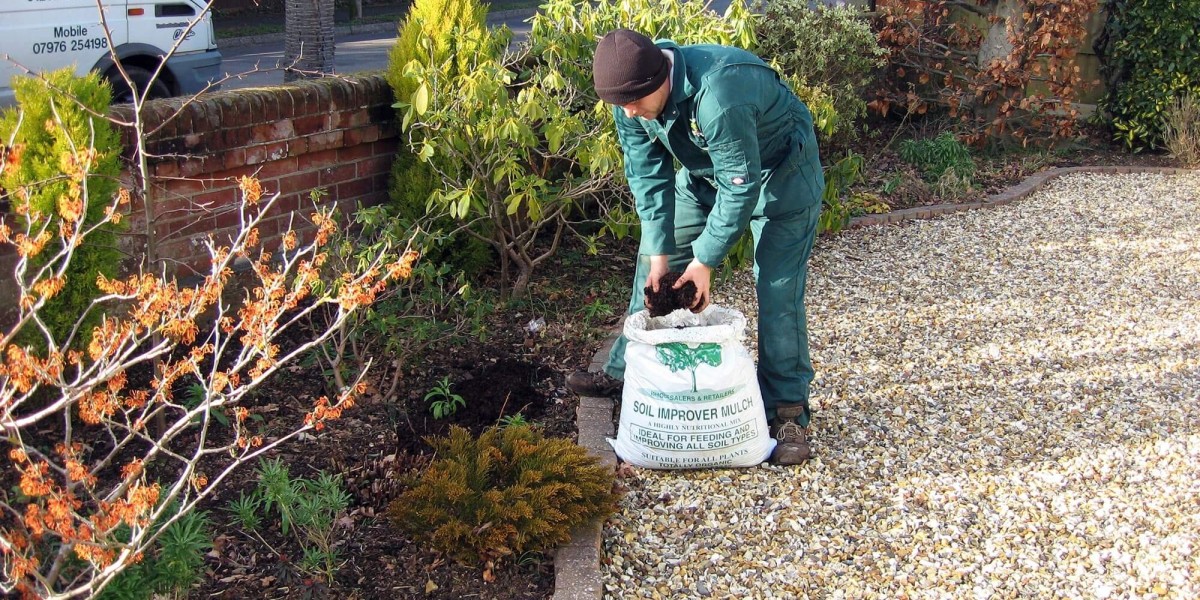

Every gardener in the UK faces a familiar battle. Between unpredictable weather swings, stubborn weed growth, and soil that dries out during dry spells, keeping outdoor spaces flourishing feels like a constant race against time. If you find yourself spending your weekends weeding and watering instead of actually enjoying your garden, there is a simple and transformative technique you need to adopt.
Mulching is the single most effective habit you can introduce to your landscape. By placing a protective layer over your soil, you mimic natural woodland floors where organic matter constantly enriches the earth. Whether you are managing delicate flower beds or a productive vegetable patch, understanding how to mulch correctly saves hours of labor while drastically improving plant vitality. Let us walk through everything you need to know to master garden mulching across the British climate.
What is Garden Mulch and Why Does Your Soil Need It?
At its core, a mulch is any material applied to the surface of the soil. Think of it as a protective, therapeutic blanket for your garden beds. In the UK, where soils can alternate between waterlogged clay and baked concrete depending on the season, mulching acts as a vital buffer.
When you apply quality materials like Greenfingers Organic Multipurpose Compost, you are not just covering bare earth. You are actively feeding the soil ecosystem. Earthworms, beneficial bacteria, and mycorrhizal fungi break down the organic layer, turning hard-to-manage dirt into rich, crumbly loam.
The Core Benefits of Mulching
Moisture Retention: Mulch drastically reduces surface evaporation, meaning you spend significantly less time holding a hosepipe during dry summer weeks.
Weed Suppression: By blocking sunlight from reaching the soil surface, a proper layer prevents weed seeds from germinating.
Temperature Regulation: Mulch insulates roots against sudden winter frosts and keeps soil cool during intense summer heatwaves.
Nutrient Enrichment: As organic mulches decompose over time, they release essential macro and micronutrients directly back into the ground.
Choosing the Right Mulch for Your UK Garden
Not all mulches serve the same purpose. Selecting the right product depends entirely on whether you are looking to feed flower borders, suppress paths, or enrich vegetable plots.
Organic Mulches
Organic options break down over time, continually improving soil structure. These are the gold standard for planting beds and vegetable patches.
Compost and Well-Rotted Manure: Nutrient-rich options that feed hungry plants while improving moisture retention. Products such as Greenfingers Organic Multipurpose Compost provide an exceptional, peat-free foundation for borders and potting.
Woodchip and Bark: Ideal for shrub borders, pathways, and around established trees. They take longer to break down and offer a neat, rustic appearance.
Leaf Mould: Collected autumn leaves rotted down into a fungal-rich goldmine that woodland plants and acid-loving species adore.
Inorganic Mulches
Inorganic mulches do not break down or add nutrients, but they excel at specific structural tasks.
Decorative Gravel and Slate: Perfect for alpine gardens, Mediterranean planting schemes, and areas requiring sharp drainage.
Landscape Fabric: Often used beneath decorative stones, though organic gardeners generally avoid plastic membranes because they restrict natural earthworm movement and soil breathing.
Step-by-Step Guide: How to Apply Mulch Like a Professional
Applying mulch correctly is just as important as choosing the right material. Making common mistakes, such as piling mulch directly against plant stems, can cause rot and invite pests. Follow these simple steps for professional results.
Step 1: Clear and Weed the Area
Before laying down any material, remove all perennial weeds like couch grass, dandelions, and docks. Getting rid of them now prevents them from pushing through your new layer later.
Step 2: Water the Soil Thoroughly
Never apply mulch to bone-dry soil. If a dry spell has hit your garden, give the beds a deep watering first. Mulch acts as a seal, and you want to lock that moisture in rather than keeping it out.
Step 3: Apply the Correct Depth
Depth is critical for success.
For fine composts and loose organic mulches, aim for a depth of 5cm to 7cm.
If you are using coarse woodchips around larger shrubs, you can go up to 7cm to 10cm.
Too shallow, and weeds will break through easily. Too deep, and you risk suffocating the soil roots by blocking oxygen exchange.
Step 4: Leave Breathing Space Around Stems
Always maintain a small clearance gap of a few centimeters around the base of trees, woody shrubs, and perennial stems. Creating a volcano shape where mulch touches the bark invites fungal diseases and stem rot.
Timing Your Mulching: When is the Best Time in the UK?
Timing plays a major role in how effective your mulching efforts will be. Different seasons call for different strategies.
Autumn (The Prime Time)
Autumn is widely considered the best time to mulch across the UK. The soil is still warm from summer, rainfall is frequent, and earthworms are highly active. Applying an organic layer now protects plant roots from upcoming winter freezes and gives soil organisms months to work the organic matter downward.
Spring (The Maintenance Window)
Apply a fresh layer in mid-to-late spring once the soil has warmed up after winter. This locks in spring moisture before summer arrives and stops annual weed seeds from germinating when temperatures rise.
Advanced Garden Mulching Tips for Maximum Efficiency
To get the absolute most out of your efforts, keep these expert strategies in mind:
Top-Dress Containers: Mulching isn't just for garden beds. Adding a thin layer of fine compost or grit to large patio pots stops the topsoil from forming a hard crust when watered.
Feed Before You Cover: If your soil is particularly poor, scatter a slow-release organic fertilizer or a layer of nutrient-dense material like Greenfingers Organic Multipurpose Compost right before adding your final decorative bark layer.
Consider Professional Help: If maintaining large borders feels overwhelming or time is tight, utilizing specialized garden upkeep services like greenfinger gardening services ensures your seasonal mulching and soil conditioning are handled expertly without the physical strain.
Frequently Asked Questions
Can I put fresh woodchip directly onto flower beds?
Fresh, uncomposted woodchips should generally be kept to paths or around established shrubs and trees. If mixed directly into soil or used thickly on delicate flower beds, fresh wood can temporarily tie up nitrogen as soil microbes work to break it down. Always use well-rotted compost or aged bark for delicate borders.
How often do I need to reapply garden mulch?
Organic mulches break down and integrate into the soil over time. In most UK gardens, you will need to top up your organic mulch once a year, typically in spring or autumn, to maintain the ideal 5cm to 7cm protective layer.
Will mulch attract slugs and pests?
While thick, damp organic layers can provide a hiding spot for slugs, the benefits of healthy, balanced soil far outweigh the risks. Encouraging a diverse garden ecosystem with natural predators like birds, frogs, and hedgehogs keeps pest populations safely managed.
Is peat-free mulch better for the environment?
Yes. Peat extraction destroys rare and fragile wetland ecosystems that act as vital carbon sinks. Choosing accredited peat-free alternatives, such as green waste composts, leaf mould, and organic multipurpose blends, protects British peatlands while providing exceptional growing performance.
Conclusion
Mastering garden mulching is one of the most rewarding steps you can take toward creating a low-maintenance, high-performance outdoor space. By locking in moisture, suppressing weeds naturally, and feeding the soil food web year-round, you set the foundation for vibrant, resilient plants.
Whether you choose to spend a crisp autumn weekend refreshing your borders yourself or partner with professional teams like greenfinger gardening services to keep your property pristine, the results speak for themselves. Protect your soil today, and enjoy a healthier, more beautiful garden all year long.