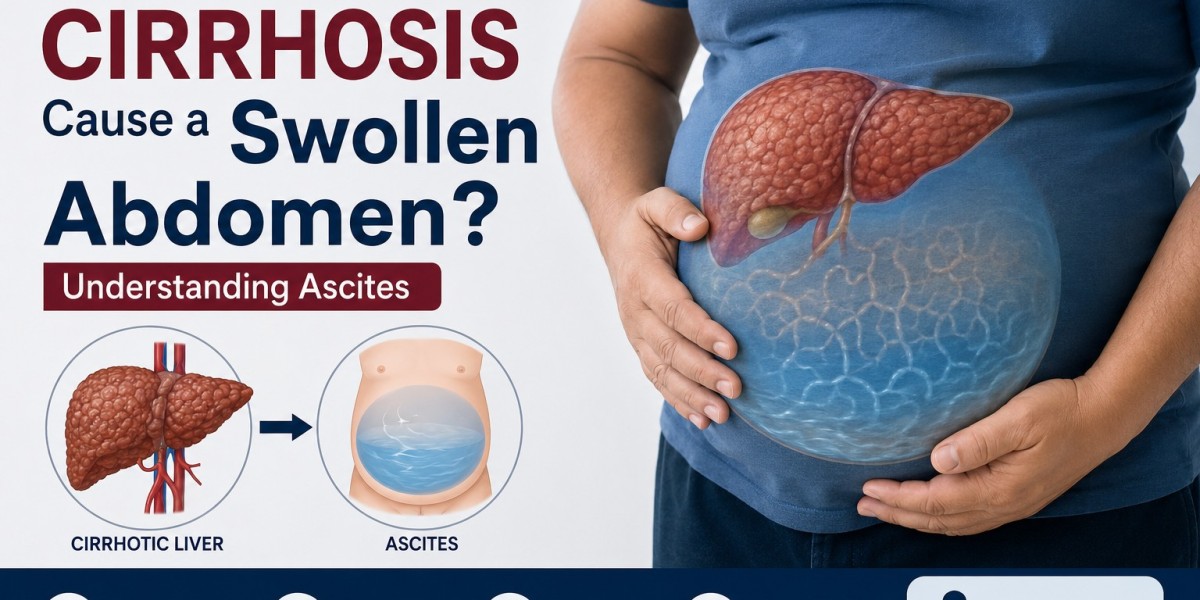

with, and can leave you with a lot of unanswered questions. If you have cirrhosis and have noticed an increase in the size of your stomach, you might be asking: Why does cirrhosis lead to a swollen stomach?
The primary reason is ascites, a condition that can lead to the stomach swelling due to the build-up of fluid in the abdomen. Ascites can also cause the abdomen to feel the discomfort of heaviness and tightness.
Ascites can occur due to liver damage, and there are a few things that can be affected due to liver damage that will eventually lead to fluid buildup: the blood flow, the pressure in the liver, hormones and the body's regulation of salt and water.
Looking for a liver transplant specialist in India? Learn about liver transplant evaluation, advanced treatment options, surgical expertise, recovery, and how specialists support patients throughout the transplantation journey.
You can think of the liver as the control center of the body's blood circulation. During cirrhosis, if there are severe scars on the liver, blood will have an increasingly difficult time passing through the liver. Eventually, this will cause fluid to build up in the abdomen.
Knowing this will help you learn to identify the symptoms and know when you should seek medical help.
Table of Contents
| Sr# | Headings |
|---|---|
| 1 | What Is Cirrhosis? |
| 2 | Why Do Swollen Abdomen and Cirrhosis Go Hand in Hand? |
| 3 | What Is Ascites? |
| 4 | How Does Scarring of the Liver Lead to Ascites? |
| 5 | How Does Portal Hypertension Contribute to Ascites? |
| 6 | Why Do Cirrhosis Patients Retain Water and Salt? |
| 7 | What Are the Symptoms of Swelling in the Abdomen Due to Cirrhosis? |
| 8 | What Are the Other Symptoms That May Accompany Ascites? |
| 9 | Could Something Other Than Ascites Cause a Swollen Abdomen? |
| 10 | What Is the Process to Diagnose Ascites? |
| 11 | What Are the Treatment Options for a Swollen Abdomen? |
| 12 | Can Lifestyle Changes Help Control Ascites? |
| 13 | When Is a Swollen Abdomen an Emergency? |
| 14 | Can Ascites Be Prevented? |
| 15 | Frequently Asked Questions |
What Is Cirrhosis?
Cirrhosis is when the liver is badly scarred. There are many causes such as chronic viral hepatitis, liver disease related to alcohol, metabolic dysfunction-associated steatotic liver disease, and many other autoimmune liver disorders. Cirrhosis can also be caused by genetic disorders.
The liver is an important organ that has many diverse and critical functions. For example, the liver regulates the blood, removes toxins, stores energy, and makes protein and other components.
Repeated damage to the liver causes scarring of the tissue, makes the liver stiff, and disrupts the normal structure of the organ.
Cirrhosis usually has less noticeable symptoms in the beginning stages but can lead to more serious complications later on. Among these complications, advanced cirrhosis can lead to ascites and abdominal swelling.
Why Is My Abdomen Swollen Due to Cirrhosis?
The most common reason for abdominal swelling is fluid retention and/or collection in the abdominal cavity, known as ascites.
Typically, the abdomen has a small amount of fluid that is constantly maintained by the body. Once cirrhosis reaches an advanced level, the body's equilibrium is disrupted.
Several changes occur at the same time:
Elevated pressure within the portal venous system
Decreased protein synthesis by the liver, including albumin
Increased kidney sodium and water retention
Increased fluid movement from blood vessels into the abdominal cavity
This process leads to the abdominal cavity swelling over time.
This is why cirrhosis patients often see an increase in the size of their abdomen and waist, even without gaining any body fat.
What Is Ascites?
Ascites is the accumulation of excess fluid in the abdominal cavity. It is a common complication of advanced liver disease.
There is a wide variation in fluid volume. With mild ascites, the abdomen may not be visibly swollen. With more severe forms, the abdomen may become extremely swollen and distended.
Some people feel as though their abdomen is full and stretched. This feeling is usually paired with abdominal discomfort, pressure, and loss of appetite. The condition may also limit mobility due to discomfort.
Ascites can affect a person’s legs and feet, causing swelling. This is partly because cirrhosis can affect the overall balance of body fluids.
As an important point, ascites is not simply "water weight." It can indicate that cirrhosis has become more advanced and requires medical assessment.
How Does Scarring of the Liver Cause Ascites?
How does scarring of the liver cause the swelling of the abdomen?
Think about blood vessels leading into the liver as a very busy road. If the liver is healthy, blood can pass through relatively easily. Cirrhosis creates extensive scar tissue, making the liver stiff and making it harder for blood to pass through.
As blood struggles to pass through the liver, pressure builds up in the portal venous system.
This is called portal hypertension.
Advanced liver disease can also reduce the liver’s ability to produce albumin. Albumin is a protein in the blood that helps keep fluid inside blood vessels. When albumin levels become too low, fluid can more easily move out of blood vessels and into surrounding tissues and spaces.
The kidneys can also interpret changes in blood circulation as a sign that the body’s effective blood volume is too low. In response, the kidneys begin to retain sodium and water.
Together, these changes can cause significant fluid to build up in the abdomen.
How Does Portal Hypertension Contribute to Ascites?
Portal hypertension is one of the main factors contributing to ascites.
The portal vein carries blood from the intestines and spleen to the liver. When cirrhosis slows or obstructs blood flow through the liver, pressure increases within this system.
Over time, this increased pressure contributes to fluid moving out of blood vessels and into the abdominal cavity.
Portal hypertension can also cause enlarged veins called varices, particularly in the esophagus and stomach. These veins can become fragile and may bleed.
This is one of the reasons cirrhosis requires continual medical monitoring. A distended abdomen is not necessarily just a cosmetic issue; it may indicate an important complication of advanced liver disease.
In advanced cirrhosis, abnormal circulation can cause the kidneys to perceive the body's effective blood flow as inadequate. In response, the body activates mechanisms that encourage the kidneys to retain sodium and water.
It is somewhat like trying to fill a bucket that has a hole in it. The body attempts to maintain circulation by retaining more fluid, but that fluid can end up accumulating where it should not.
Why Do Cirrhosis Patients Retain Water and Salt?
The body's fluid-regulating systems can become disrupted as cirrhosis progresses.
When blood flow through the liver becomes abnormal, the kidneys may receive signals that the body does not have enough effective circulating blood volume. The kidneys respond by holding on to sodium and water.
Sodium causes the body to retain water. As more sodium and water are retained, some of this excess fluid can accumulate in the abdominal cavity.
Hormonal systems that regulate blood pressure and fluid balance also become activated.
Although these changes are initially intended to help maintain circulation, they can ultimately make ascites worse in advanced cirrhosis.
What Does Cirrhosis-Related Stomach Swelling Feel Like?
Ascites often causes symptoms that feel different from ordinary stomach bloating.
Some symptoms people may experience include:
Stomach swelling that continues to increase
Tightness stretching across the abdomen
A feeling of heaviness
Abdominal discomfort
Difficulty bending over
Reduced appetite because abdominal fluid can put pressure on the stomach
Difficulty breathing when significant swelling presses against the diaphragm
An increase in body weight
The abdomen may feel softer when there is a smaller amount of fluid. Larger amounts of fluid can cause the abdomen to become tense.
A rapidly growing abdomen should be medically evaluated, particularly in someone with known cirrhosis.
What Are the Other Symptoms That May Accompany Ascites?
A swollen abdomen may occur with other symptoms associated with advanced liver disease, such as:
Swelling of the legs and ankles
Yellowing of the skin or eyes
Easy bruising
Persistent tiredness
Poor appetite
Nausea
Unintentional weight loss
Itchy skin
Changes in mental awareness
Dark-colored urine
Light-colored stools
These symptoms may not occur in every person.
Because cirrhosis can progress without obvious symptoms for a long time, do not wait for multiple symptoms to appear before seeking medical advice.
Could Something Other Than Ascites Cause a Swollen Abdomen?
Yes.
There are many possible causes of abdominal swelling besides ascites, including:
Gas
Constipation
Weight gain
Pregnancy
Digestive disorders
Kidney problems
Heart conditions
Other medical conditions
If someone has cirrhosis, new or worsening abdominal swelling should be evaluated, because ascites is a common complication of advanced liver disease.
Doctors may use a physical examination, blood tests, and imaging studies to look for ascites. In some cases, they may also perform paracentesis.
This distinction is important because the treatment for ordinary bloating is very different from the treatment for ascites.
What Is the Process to Diagnose Ascites?
The diagnosis of ascites usually begins with a medical history and physical examination.
An abdominal ultrasound may be performed to detect fluid that is difficult to identify during a physical examination.
Blood tests can help assess:
Liver function
Kidney function
Sodium levels
Other markers of overall health
When necessary, a doctor may perform paracentesis, a procedure in which a small amount of abdominal fluid is removed with a needle for laboratory testing.
The fluid can be tested for infection and other characteristics that may help determine its cause.
When a large amount of fluid causes significant discomfort or breathing difficulty, therapeutic paracentesis may be performed to remove fluid and relieve pressure.
What Are the Treatment Options for a Swollen Abdomen?
Treatment depends on the severity of ascites, the underlying cause of liver disease, kidney function, overall health, and the person's response to treatment.
Reducing Sodium Intake
Reducing dietary sodium is commonly recommended for people with ascites.
This may involve limiting processed foods, packaged snacks, salty sauces, pickles, and other foods that contain large amounts of sodium.
However, dietary recommendations should be individualized, particularly when kidney function or blood sodium levels are abnormal.
Diuretic Medicines
Doctors may prescribe diuretics, sometimes called water pills, to help the kidneys remove excess sodium and water.
These medicines require medical monitoring because they can sometimes cause dehydration, electrolyte disturbances, or kidney problems.
Never change the dose of a diuretic without speaking with your healthcare professional.
Paracentesis
Severe ascites may require therapeutic paracentesis, a procedure used to remove excess fluid from the abdominal cavity.
Removing fluid can reduce abdominal pressure and may make breathing and movement more comfortable.
For people whose ascites repeatedly returns despite treatment, specialists may consider additional treatment options.
Treatment for Advanced Liver Disease
When cirrhosis significantly affects liver function, doctors may evaluate whether a person could benefit from specialized treatment.
Depending on the individual's circumstances, this may include procedures designed to reduce portal pressure or liver transplantation.
Whenever possible, treatment should also address the underlying cause of liver disease.
Can Lifestyle Changes Help Control Ascites?
Lifestyle changes alone cannot reverse advanced cirrhosis, but they can support medical treatment.
Following the sodium recommendations provided by your healthcare team can be helpful. Since sodium can be hidden in many packaged foods, reading food labels is important.
If alcohol contributed to liver damage, avoiding alcohol is an important part of liver disease management.
Fluid intake should not be drastically restricted unless a healthcare professional specifically recommends it. Fluid restriction may be appropriate for certain patients but is not automatically necessary for everyone with ascites.
Good nutrition is also important. Advanced liver disease can contribute to muscle loss and poor nutrition, so people with cirrhosis may benefit from guidance from a doctor or registered dietitian.
When Is a Swollen Abdomen an Emergency?
A swollen abdomen accompanied by certain symptoms can require urgent medical attention.
People with cirrhosis should seek emergency medical care if they experience:
Fever or chills
New or severe abdominal pain
Confusion or unusual sleepiness
Vomiting blood
Black or very dark stools
Severe difficulty breathing
Rapid or severe abdominal swelling
Fainting or extreme weakness
One serious complication is spontaneous bacterial peritonitis, an infection involving ascitic fluid. Fever, abdominal pain, tenderness, or unexplained deterioration in someone with ascites should be assessed promptly.
Vomiting blood or passing black, tarry stools can indicate gastrointestinal bleeding and requires emergency medical care.
Can Ascites Be Prevented?
Not every case of ascites can be prevented, but early management of liver disease can help reduce the risk of complications.
Depending on the underlying cause of liver disease, preventive measures may include:
Treating chronic viral hepatitis when appropriate
Avoiding alcohol when advised
Managing metabolic health
Taking prescribed medications correctly
Following recommended dietary guidance
Monitoring liver and kidney function
Attending regular medical follow-ups
Seeking medical evaluation for new symptoms
Early diagnosis and treatment of liver disease can help reduce the risk of serious complications.
Conclusion
Why does cirrhosis cause a swollen abdomen? In many cases, the answer is ascites, a buildup of fluid inside the abdominal cavity. Portal hypertension, changes in blood proteins, and the body's retention of sodium and water all contribute to this process.
A growing abdomen in someone with cirrhosis should not automatically be dismissed as ordinary bloating. It may be an important complication of advanced liver disease.
If abdominal swelling is new, rapidly increasing, painful, or accompanied by fever, confusion, breathing difficulty, or gastrointestinal bleeding, seek medical attention promptly. Ascites can often be managed with appropriate treatment, while the underlying liver disease and its complications can be evaluated by a healthcare professional.
Frequently Asked Questions
1. Why does cirrhosis cause a swollen abdomen?
Cirrhosis causes a swollen abdomen mainly because of ascites, which is the accumulation of fluid inside the abdominal cavity. Increased pressure in the portal circulation, reduced albumin levels, and retention of sodium and water all contribute to fluid buildup.
2. Could a swollen belly be something other than ascites in cirrhosis?
Yes. Abdominal swelling can result from gas, constipation, weight gain, and other conditions. However, people with cirrhosis should have new or worsening abdominal swelling evaluated to determine whether ascites is present.
3. Can ascites caused by cirrhosis ever go away?
Ascites can often be reduced or controlled with treatment, including dietary sodium restriction, prescribed diuretics, and therapeutic paracentesis when necessary. The outlook depends on the severity and underlying cause of liver disease.
4. Would drinking more water help reduce ascites?
Drinking more water does not generally remove ascites. In some circumstances, excessive fluid intake may worsen fluid retention. Fluid recommendations should be individualized by a healthcare professional based on the person's condition and blood sodium levels.
5. When should I be concerned about cirrhosis and abdominal swelling?
Seek urgent medical care if new or worsening abdominal swelling occurs with fever, abdominal pain, confusion, severe shortness of breath, vomiting blood, black stools, fainting, or rapid deterioration. These symptoms can indicate serious complications requiring prompt treatment.