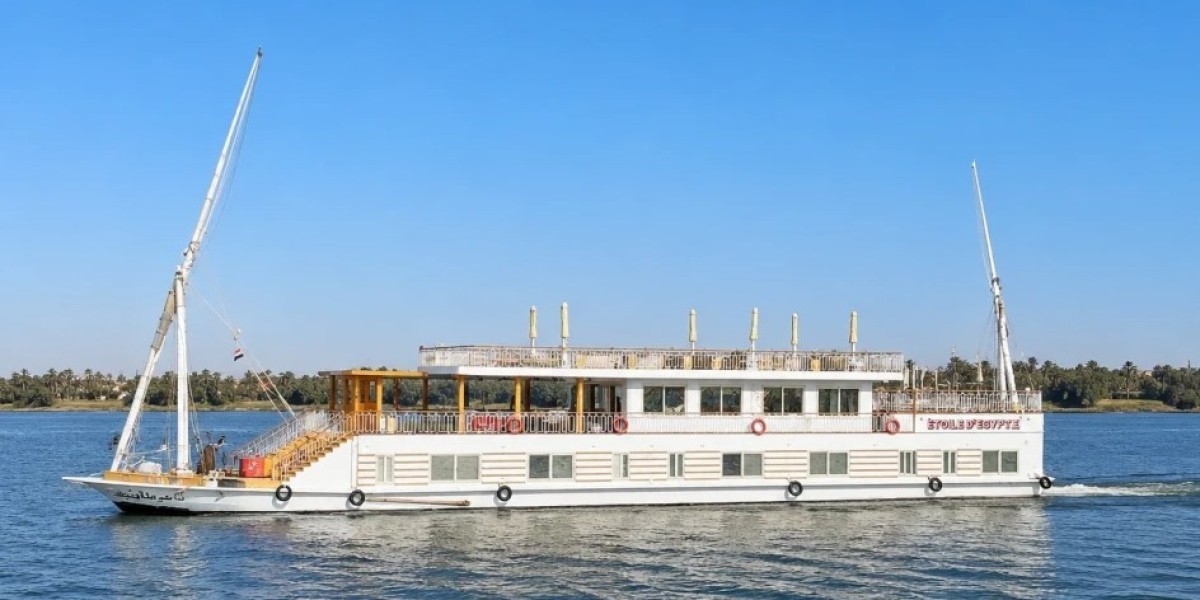

It supports farms, villages, markets, fishing communities, and everyday transportation throughout Upper Egypt. Travelling by dahabiya allows visitors to observe this living river landscape while moving between Luxor and Aswan at a relaxed pace.
Watching daily life from the river
A smaller sailing boat remains closer to the surrounding scenery than many large vessels. From the deck, passengers may see farmers working beside the water, fishermen preparing their nets, children travelling to school, and local boats carrying people between communities.
These ordinary moments provide a broader view of Egypt beyond its archaeological attractions. Guests should observe respectfully and avoid treating people’s homes or workplaces as staged tourist displays.
Photographs taken from a distance may still affect privacy. When interacting directly with residents, visitors should ask permission before using a camera.
Visiting villages and markets
Some itineraries include walks through riverside villages or visits to local markets. These experiences can introduce travellers to regional food, crafts, farming practices, and community life.
Dress modestly and follow the guide’s advice about suitable behaviour. Avoid entering homes, fields, or private areas unless invited. A few simple Arabic greetings can make interactions friendlier, even when a guide provides translation.
When buying local goods, confirm the price before completing the purchase. Choose items you genuinely value instead of treating shopping as an obligation.
Sharing meals on the boat
Food can provide another introduction to Egyptian culture. Dahabiya meals may include local dishes prepared with ingredients available along the route, although menus vary between boats.
Travellers should ask what meals and drinks are included. Allergies, intolerances, and religious or personal dietary requirements must be explained before departure so the crew can confirm whether they can be accommodated.
Shared dining also gives passengers time to discuss the day’s visits with the guide, crew, and other guests.
Understanding the river’s history
Temples and settlements developed near the Nile because the river supported agriculture, travel, trade, and communication. Sailing between historic places helps visitors understand this geographical connection.
A guide can explain how ancient communities used the river and how modern life continues around it. This context makes each temple visit feel connected to the wider region instead of experienced as an isolated attraction.
Choosing an appropriate itinerary
Cruise programmes differ in duration, direction, and cultural stops. Review the day-by-day schedule to see whether it includes villages, islands, markets, smaller temples, or only the main archaeological sites.
Travellers can compare available Dahabiya Nile cruises, cabin categories, departure options, and private charters before requesting a quotation. Confirm which excursions, guides, entrance fees, meals, and transfers are included.
Cultural connection cannot be guaranteed by simply visiting a village or market. It depends on travelling with curiosity, listening to local guidance, and respecting the people encountered. A dahabiya creates time and space for these experiences to happen naturally throughout the Nile journey.