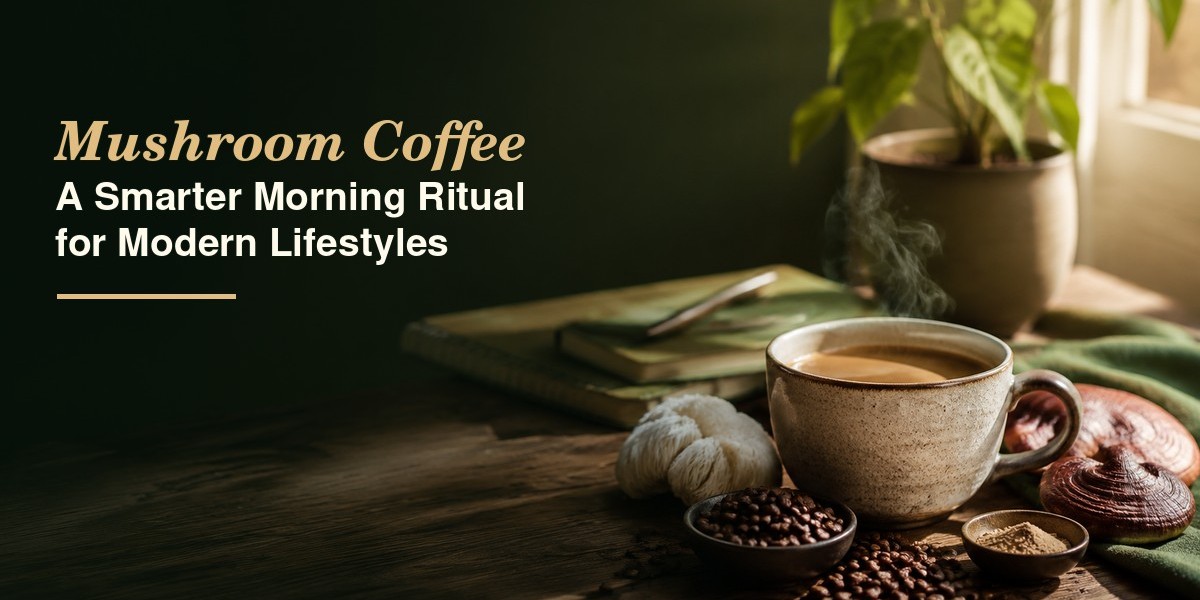

Mushroom Coffee has moved beyond wellness circles and into everyday kitchens, offices, and coffee routines. The idea is simple: familiar coffee is combined with extracts from functional mushrooms such as lion’s mane, chaga, reishi, or cordyceps. The result can still taste like coffee, but it offers a different ingredient profile and often a smoother, more intentional drinking experience.
For most people, the appeal is not about replacing every healthy habit with one drink. It is about improving a routine that already exists. A morning cup can become a useful moment to hydrate, plan the day, eat breakfast, and begin work with fewer distractions. The best approach is practical: understand the label, choose a flavor you enjoy, and build the drink into a balanced lifestyle.
What Exactly Is Mushroom Coffee?
Mushroom coffee usually combines coffee beans or coffee extract with mushroom powder or concentrated mushroom extracts. Some products use full-strength coffee, while others contain less caffeine than a standard cup. There are also caffeine-free mushroom beverages, so the product name alone does not reveal the complete formula.
The mushrooms used in these drinks are not the same as ordinary button mushrooms used in cooking. Functional varieties are selected for their traditional uses and naturally occurring compounds. Brands may use fruiting-body extracts, mycelium-based ingredients, or blends of both. Transparent labeling makes it easier to know what is actually in each serving.
Why It Works Well as a Morning Ritual
Morning habits are easier to maintain when they are simple. Mushroom coffee can be prepared in a mug, travel cup, French press, or blender, depending on the format. It does not require a complicated schedule, and it can sit naturally beside breakfast, journaling, a short walk, or the first focused task of the day.
Many people also appreciate having an alternative to heavily sweetened energy drinks. However, it is important to keep expectations realistic. No coffee can replace adequate sleep, nourishing food, hydration, or professional healthcare. The drink is most useful when it supports a well-designed routine rather than being treated as a shortcut.
Choosing a Blend That Fits Your Day
Start with caffeine. If you are sensitive to it, compare the milligrams per serving and avoid assuming that every mushroom blend is low in caffeine. Next, check the roast and flavor notes. Darker coffee can work well with earthy mushroom ingredients, while medium roasts often create a softer, balanced cup.
The ingredient list should clearly name the mushrooms used. Look for understandable serving information rather than relying only on front-label phrases such as “super blend.” Also review sweeteners, creamers, flavors, allergens, and dietary certifications when these details matter to you.
How to Prepare a Better Cup
Follow the recommended serving for the first cup. Using too much powder can make the flavor harsh or the texture heavy. For instant mushroom coffee, add a small amount of hot water first and stir until smooth, then add the remaining water. For ground coffee, match the grind size to your brewing method.
Milk can soften roasted or earthy notes. Oat milk creates a creamy café-style result, while regular milk, almond milk, or coconut milk can also work. Cinnamon, cocoa, or a small amount of vanilla adds character without overwhelming the coffee. For an iced drink, prepare a stronger serving, allow it to cool briefly, and pour it over ice.
Build a Routine You Can Repeat
Consistency is more valuable than an elaborate recipe. Keep your cup, coffee, measuring spoon, and preferred additions in one place. Prepare it at a similar time for several days so you can judge the taste and convenience fairly. Change only one variable at a time—such as water, milk, or sweetness—until the recipe feels right.
A reliable routine could be as simple as drinking water after waking, preparing coffee, eating breakfast, and writing the three most important tasks for the day. This makes the beverage part of a wider system instead of the entire system.
The Coffee Experience Still Matters
Functional ingredients may attract attention, but taste is what makes a product sustainable. The aroma should be inviting, the texture should be comfortable, and preparation should not feel like a chore. If you dislike the first cup, adjust the ratio before abandoning the blend. Sometimes a little more water or warm milk is enough.
At The Mushroom Coffee Bar, the experience is built around making mushroom-inspired coffee feel approachable and enjoyable. That coffee-first perspective matters because a daily wellness ritual should still be something you look forward to.
Frequently Asked Questions
Does mushroom coffee taste like mushrooms?
Most balanced blends taste primarily like roasted coffee. Mushroom ingredients may add mild earthy depth, but they should not make the drink resemble mushroom soup.
Can it replace regular coffee?
It can replace or alternate with regular coffee if the flavor and caffeine level suit you. Compare labels because formulas differ considerably.
When is the best time to drink it?
Morning is popular, but timing depends on caffeine content and personal sensitivity. A lower-caffeine blend may be more suitable later in the day.
Conclusion
Mushroom coffee fits modern lifestyles because it turns a familiar habit into a more thoughtful ritual. Choose a transparent formula, prepare it consistently, and keep the rest of your morning balanced. The right cup should taste good, suit your caffeine needs, and make the start of the day feel calmer and easier to repeat.