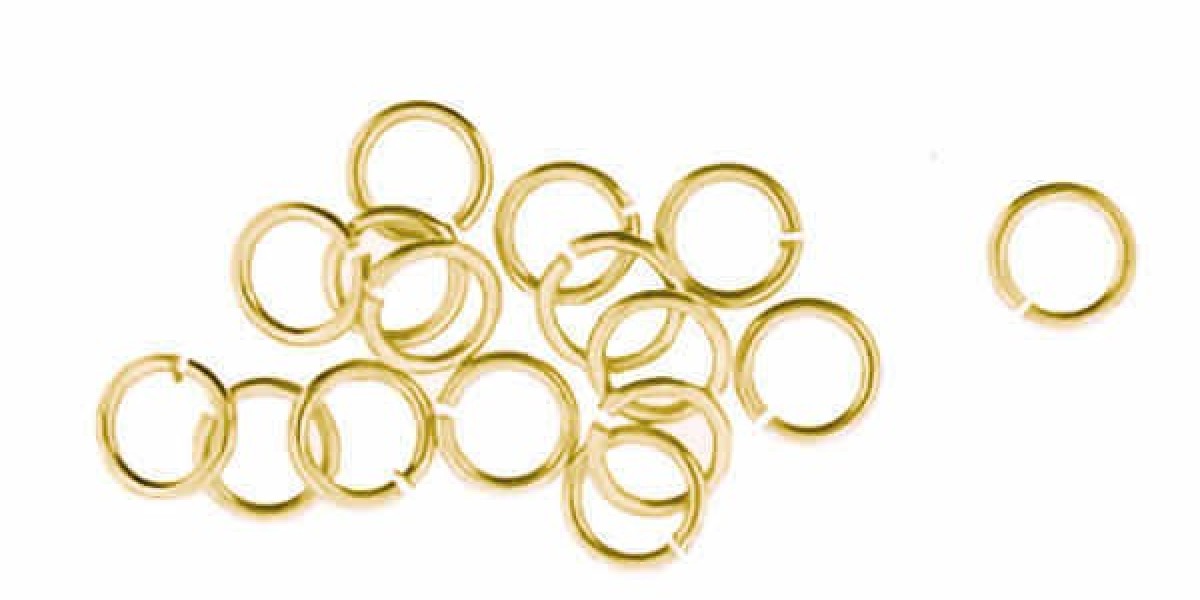

Gold jump rings are small but essential components in professional jewelry making. They connect chains, clasps, pendants, charms, and other findings while contributing to the overall appearance and durability of a finished piece. Choosing the right gold jump rings requires more than simply selecting an attractive color. Jewelry makers need to consider metal type, karat, size, gauge, finish, strength, and intended application.
Understand the Different Types of Gold Jump Rings
Before purchasing gold jump rings, understand the material being used. Different types offer different levels of durability, appearance, and cost.
Solid Gold Jump Rings
Solid gold jump rings are made from gold alloy throughout the entire component. They are commonly used for fine and luxury jewelry because of their premium appearance and long-term value.
Higher-karat gold contains more pure gold but can be softer, while lower-karat alloys generally provide greater hardness and durability.
Gold-Filled Jump Rings
Gold-filled jump rings contain a substantial layer of gold bonded to a base metal. They can provide the appearance of solid gold at a lower cost and are useful for many professional jewelry applications.
Gold-Plated Jump Rings
Gold-plated rings have a thin layer of gold over another metal. They can be an economical option for fashion jewelry, although the plating may wear with frequent use.
Choose the Appropriate Gold Karat
Gold jump rings are available in different karats, such as 10K, 14K, and 18K.
- 10K gold: Offers increased hardness and affordability.
- 14K gold: Provides a good balance between durability, appearance, and value.
- 18K gold: Contains more gold and offers a richer appearance but is generally softer and more expensive.
For professional jewelry that experiences regular wear, 14K gold is often a practical choice because it balances beauty and durability.
Select the Correct Ring Size
The diameter of a jump ring affects both its appearance and functionality. A ring that is too small may not accommodate all the components, while one that is too large can look disproportionate.
Consider:
- The thickness of the chain
- The size of the clasp
- The weight of the pendant
- The overall jewelry design
- The required movement between components
Delicate earrings may require smaller rings, while larger necklaces or pendants may need larger sizes.
Pay Attention to Wire Gauge
Gauge refers to the thickness of the wire used to create the jump ring. A thicker gauge generally provides greater resistance to bending.
For lightweight jewelry, a finer gauge may be sufficient. For heavier pendants, bracelets, and frequently handled pieces, thicker gold jump rings can provide additional support.
The ideal choice depends on the weight and construction of the finished design.
Consider the Ring Shape
Although round jump rings are the most common, other shapes may be available for specialized applications.
Round rings work well for general jewelry assembly, while oval or elongated rings can sometimes provide better positioning or prevent certain components from slipping through the opening.
Choose a shape based on how the ring interacts with the other jewelry components.
Check the Quality of the Cut
The cut where the two ends meet is particularly important. Professional-quality gold jump rings should have clean, precise cuts that allow the ends to meet closely when closed.
Poorly cut rings may leave visible gaps, making the connection less secure and reducing the overall appearance of the jewelry.
Consider the Gold Color
Gold jump rings can be available in several colors, depending on the alloy and finish.
Yellow gold provides a traditional and warm appearance.
White gold offers a bright, contemporary look that works well with modern jewelry.
Rose gold has a distinctive pinkish tone and is popular for romantic and fashion-focused designs.
Matching the jump ring color with the chain, clasp, and other findings helps create a cohesive finished piece.
Choose the Right Finish
The finish should complement the overall jewelry design. Polished gold jump rings provide a bright, reflective appearance, while matte or brushed finishes offer a more subtle look.
When combining multiple components, maintaining a consistent finish can make handmade jewelry appear more refined and professionally constructed.
Consider Strength and Application
Not every gold jump ring is appropriate for every project. Think about how much stress the connection will experience.
For example:
- Lightweight earrings require less structural strength.
- Charm bracelets need rings that can handle repeated movement.
- Heavy pendants require stronger and thicker rings.
- Chainmaille designs require consistent ring dimensions and dependable construction.
Selecting the ring based on its intended use helps prevent deformation and accidental opening.
Look for Consistent Manufacturing
Professional jewelry makers should prioritize suppliers that provide consistent dimensions and reliable quality.
Inspect samples for:
- Uniform diameter
- Consistent wire thickness
- Smooth surfaces
- Clean cuts
- Properly aligned ends
- Even coloring and finish
Consistency is especially important when producing multiple jewelry pieces with the same design.
Consider Tarnish and Maintenance
Pure gold is highly resistant to tarnishing, but gold alloys can behave differently depending on their composition. Gold-plated and gold-filled components may also require different care.
Store finished jewelry in a clean, dry environment and follow appropriate cleaning recommendations for the specific gold type and finish.
Buy From a Reliable Supplier
A reputable supplier can provide accurate information about gold content, dimensions, gauge, finish, and manufacturing quality. This is particularly important for professional jewelry makers who need consistent materials for repeated production.
Before placing a large order, consider purchasing samples and testing them in your jewelry designs.
Conclusion
Choosing the right gold jump rings is essential for creating durable, attractive, and professional-quality jewelry. By evaluating the gold type, karat, size, gauge, shape, cut quality, color, and finish, jewelry makers can select components that suit their specific designs. Investing in reliable gold jump rings can improve both the functionality and appearance of finished jewelry while helping professional makers maintain consistent quality across their collections.