
Jewelry has always evolved alongside changes in culture, technology, fashion, and personal expression. While some designs remain closely connected to tradition, others emerge when familiar ideas are combined with new techniques. Two-tone diamond rings are a strong example of this evolution.
At the same time, laboratory-created diamonds have opened another avenue for people considering diamond jewelry. Produced in controlled environments using advanced technology, these diamonds allow shoppers to explore different combinations of shape, cut, clarity, color, and carat weight when planning a ring.
When these two developments come together, the result is a ring style that can feel both traditional and contemporary. The diamond provides brilliance and symbolism, while the two-tone construction introduces contrast and visual structure. Instead of relying on one material or one design feature, the entire ring becomes a combination of carefully considered elements.
This approach can appeal to couples looking for an engagement ring with individuality, as well as jewelry enthusiasts interested in adding a distinctive piece to their collection. Understanding how the style works can make it easier to appreciate why it continues to attract attention.
The Relationship Between Classic Jewelry and Modern Innovation
Innovation in jewelry does not always mean creating something completely unfamiliar. Often, the most successful designs combine established elements with new ideas. The diamond ring is one of the clearest examples of this principle.
Diamonds have long been associated with important celebrations and personal milestones. Classic settings such as solitaires, halos, three-stone rings, and cathedral designs remain popular because their basic forms have enduring appeal. However, designers can reinterpret these familiar silhouettes by changing the metal combination, proportions, setting details, or diamond shape.
Instead of using a single metal throughout the entire ring, designers can combine two complementary shades. Yellow gold and white gold are particularly recognizable together because they create a natural contrast between warm and cool tones.
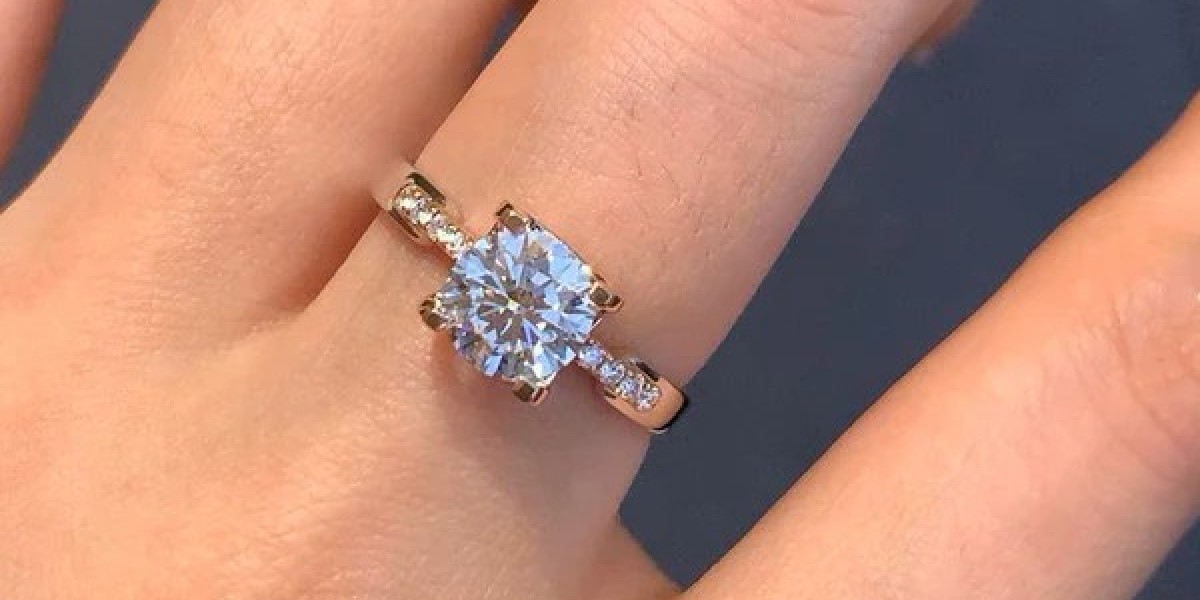
The two metals can serve different purposes within the same design. White gold may surround the center diamond, providing a bright frame, while yellow gold forms the band and contributes warmth. In another design, yellow gold may dominate while white-gold details appear around the stone or along the shoulders.
The result is a design philosophy that respects traditional jewelry while giving it a contemporary interpretation. For couples and jewelry shoppers ready to shop two tone lab grown diamond rings, comparing different combinations of diamond shapes, metal arrangements, and settings can make the selection process more informative.
How Lab Created Diamonds Fit Into Contemporary Ring Design
The diamond itself remains central to the appearance of the ring. Laboratory-created diamonds have become an increasingly visible option for modern jewelry because they provide another route for selecting a diamond while retaining the characteristics that make diamonds desirable.
These stones are produced in controlled laboratory environments through technological processes designed to recreate the conditions associated with diamond formation. They have the fundamental crystal structure and physical properties associated with diamond material. Their primary distinction is their method of origin.
For shoppers, this means the diamond-selection process can focus heavily on individual characteristics rather than simply on the category of the stone. This interaction between stone and setting is an important part of the appeal of contemporary two-tone designs. The diamond is not selected independently from the ring; the entire composition should work together.
Not every shopper needs to prioritize the highest grade in every category. Some may value an excellent cut above other characteristics, while another buyer may place greater emphasis on size or a particular shape. Understanding the grading system helps make these decisions more deliberate.
The metal surrounding the diamond can influence its visual presentation as well. White gold can create a clean transition around a colorless-looking diamond, while yellow gold introduces a warmer contrast. Depending on the design, the metal combination can make the stone appear more prominent or establish a softer overall effect.
The Design Possibilities Created by Two-Tone Construction
One of the strongest advantages of using two metals is the freedom it gives designers. The contrasting colors can be incorporated into almost any part of a ring, allowing multiple interpretations of the same basic concept. A classic solitaire can feature a yellow-gold band with a white-gold setting around the center stone.
The result remains clean and traditional, but the contrasting metals give it an added layer of detail. The choice of diamond shape changes the result further.
A round diamond can reinforce a traditional appearance. An oval can create a graceful, elongated silhouette. Emerald cuts offer a geometric quality, while cushion cuts have softer corners. Pear and marquise shapes can introduce more individuality.
The metal proportions matter as well. A design with one dominant tone and a smaller accent can feel understated. A ring with nearly equal amounts of both metals can make the contrast one of its most noticeable features.
These variations demonstrate why two-tone jewelry is not a single look. It is a broad design category with considerable room for interpretation.
Style, Versatility, and Everyday Wear
Two-tone rings naturally offer flexibility because they incorporate more than one metal color. A person who wears yellow-gold jewelry can coordinate with the warmer portion of the ring, while white-gold accessories can complement the cooler elements.
This can be useful when building a jewelry collection over time. Instead of replacing existing pieces to match the engagement ring, the wearer can continue using accessories in different metal tones. The same principle can apply when selecting a wedding band. Some couples prefer a band that matches one of the metals in the engagement ring. Others choose a mixed-metal band that extends the original design concept.
The shape and profile of the engagement ring should be considered before choosing a band. A wedding ring should sit comfortably beside the engagement ring and should not create unnecessary pressure or friction between the pieces.
Someone with an active lifestyle may prefer a lower-profile setting that is less likely to catch on clothing or objects. Someone who enjoys intricate jewelry may be comfortable with a more detailed design as long as they are prepared to give it appropriate care.
Maintenance should also be part of the ownership experience. Fine jewelry can collect oils, dust, cosmetics, and other residue during normal use. Gentle cleaning can help preserve its appearance, while professional inspection can identify potential wear in the setting.
Balancing Innovation With Long-Term Value
Innovation is meaningful when it improves or expands the choices available to the consumer. In two-tone lab created diamond jewelry, innovation appears in several forms: laboratory diamond production, advanced manufacturing, creative metal combinations, and greater freedom in design.
However, modern does not have to mean temporary. A successful jewelry design should have enough balance to remain attractive as trends change. Two-tone construction can achieve this because the underlying concept is relatively simple. The contrast between warm and cool metals has visual clarity and does not depend entirely on a specific seasonal fashion.
A classic diamond shape can further strengthen that longevity. Someone who chooses a round or oval diamond can combine a familiar stone shape with a more contemporary setting. Likewise, an emerald or cushion cut can create a distinctive appearance without requiring excessive ornamentation.
Value should be considered in the same broader sense. It is not necessarily about choosing the least expensive option or the largest possible diamond. Instead, buyers can evaluate how the diamond quality, metal choice, setting, craftsmanship, comfort, and design work together.
Antiquecut features two-tone lab grown diamond designs that illustrate how different metal combinations, diamond shapes, and setting structures can produce individual looks. Examining these variations can help shoppers recognize which design elements best suit their preferences and lifestyle.
Conclusion
Lab created diamond two-tone rings represent an interesting meeting point between traditional jewelry and modern innovation. The diamond provides the enduring symbolism and brilliance associated with engagement and fine jewelry, while the combination of two metal tones creates a more individual visual identity.
Laboratory-created diamonds add another dimension to the selection process by allowing shoppers to compare diamond characteristics such as cut, color, clarity, carat weight, shape, and certification while considering the complete design.
The two-tone concept itself offers considerable freedom. Warm yellow gold can be combined with bright white gold in subtle or prominent ways, and the contrast can be incorporated into solitaire, halo, cathedral, three-stone, split-shank, and other settings.
The combination of innovative diamond production and creative mixed-metal craftsmanship shows how fine jewelry can evolve without abandoning the qualities that make it timeless. For someone seeking a ring that balances contemporary design with classic diamond appeal, this combination offers an opportunity to choose a piece that feels personal, versatile, and relevant for years to come.