
Fine jewelry has always been influenced by changes in culture, craftsmanship, technology, and personal taste. While certain design principles remain timeless, the materials and techniques used to create jewelry continue to evolve. Today's buyers are increasingly interested in more than the appearance of a piece. They may want to understand how a gemstone is created, how a design is crafted, how it fits into their lifestyle, and whether the finished piece reflects their personal values.
Lab-grown diamonds are produced in controlled environments using advanced technological processes. Unlike naturally formed diamonds, which develop deep within the earth over extremely long periods, lab-grown diamonds are created through methods designed to replicate the conditions required for diamond formation. Pavé is one of the techniques particularly well suited to this development.
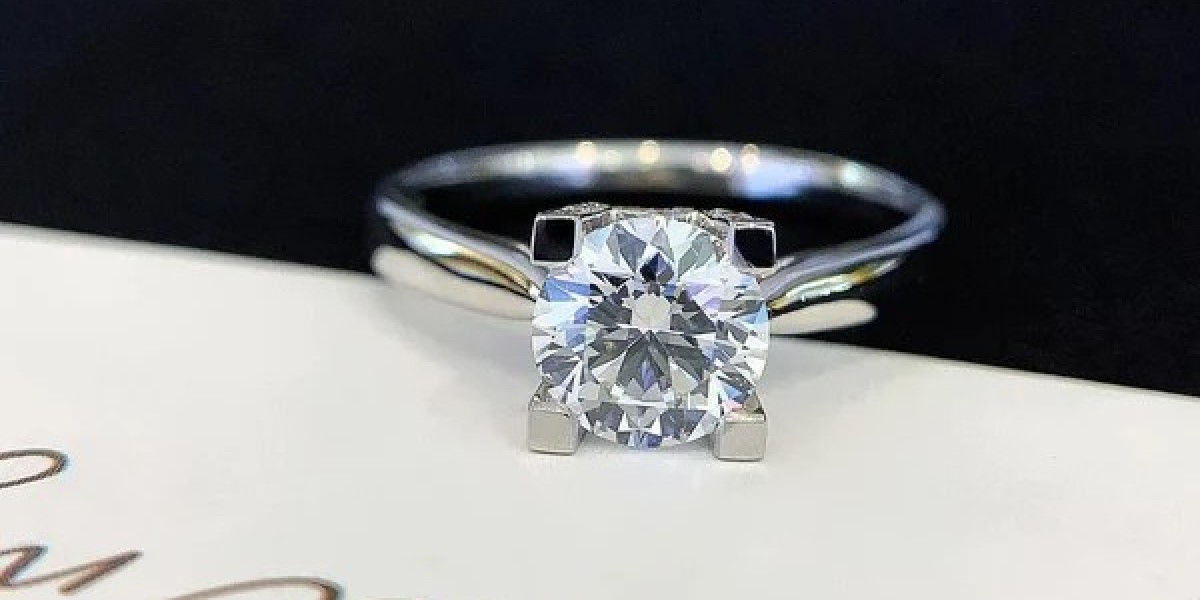
Once created, lab-grown diamonds can be cut and polished into many of the shapes traditionally associated with fine jewelry. Their appeal therefore does not require designers to abandon familiar aesthetics. Instead, they can be incorporated into classic and contemporary settings alike. In a pavé setting, numerous small diamonds are positioned closely together across a section of the jewelry. The stones are carefully secured with small amounts of metal, creating the visual impression of a surface covered in gemstones.
When light reaches the diamonds, the combined effect can produce an uninterrupted sense of sparkle. The meeting of lab-grown diamonds and pavé craftsmanship represents more than a passing trend. It illustrates how fine jewelry can evolve while maintaining the qualities that have made diamond jewelry enduringly attractive.
From Traditional Craftsmanship to Modern Diamond Technology
The history of fine jewelry is filled with examples of technology influencing traditional craftsmanship. New cutting techniques have changed the way gemstones interact with light. Improvements in metalworking have allowed designers to create increasingly delicate structures. Modern tools have made precision and customization more accessible. Lab-grown diamonds are another development within this broader history of innovation.
Their creation requires sophisticated equipment and carefully controlled conditions. Once the rough diamond is produced, it can undergo cutting and polishing processes that transform it into a finished gemstone suitable for jewelry. This means that modern technology does not eliminate craftsmanship. In many ways, it creates new opportunities for it.
A skilled jewelry designer can take a lab-grown diamond and incorporate it into a setting inspired by vintage jewelry, a minimalist contemporary design, or a highly detailed pavé arrangement. The diamond itself can also be selected according to shape and proportions. The ability to use different shapes allows designers to create jewelry for a wide range of tastes.
Pavé adds another dimension to this flexibility. The technique can be used subtly along a band or incorporated more extensively throughout a design. A simple ring might use one row of tiny diamonds to add a delicate shimmer. A more elaborate piece can feature pavé across multiple sections, creating a stronger visual presence.
This combination of technological innovation and traditional setting work demonstrates that the future of fine jewelry does not necessarily require choosing between old and new. Instead, the two can complement each other.
Why Pavé Remains Relevant in Contemporary Jewelry
Pavé has remained popular because it solves an interesting design challenge: how to create substantial sparkle without making a piece feel unnecessarily large. Instead of depending on one oversized gemstone, the technique uses many smaller stones that work together visually.
The result is particularly effective when the diamonds are carefully matched and positioned. In an engagement ring, for example, pavé can enhance the center stone without competing with it. A delicate row of diamonds along the band can guide the eye toward the center setting while adding brilliance around the finger.
Pavé can also be incorporated into wedding bands, earrings, bracelets, pendants, and other fine-jewelry pieces. This versatility is one reason the technique is likely to remain relevant as the industry changes. It does not belong exclusively to one particular era or aesthetic.
A vintage-inspired ring can use pavé to create an ornate appearance. A modern geometric ring can use the same technique to soften sharp lines with small points of light. A minimalist design can incorporate a restrained row of diamonds without becoming overly decorative.
The technique can therefore adapt to changing preferences rather than depending on a single trend. For consumers interested in seeing how this combination of diamond technology and classic setting techniques can translate into different jewelry styles, browse pave diamond rings to explore the possibilities.
A New Perspective on Personalization and Fine Jewelry
The future of fine jewelry is likely to become increasingly personalized. Consumers have more opportunities than ever to select individual elements of a piece rather than choosing from a narrow range of predetermined styles. Designers can use them in rings, earrings, pendants, bracelets, and other pieces while maintaining a consistent design language.
Metal choice provides another opportunity for personalization. The same pavé arrangement can therefore look completely different depending on the metal surrounding it. Band width also influences the character of a ring. A thin band can make the center stone appear more prominent and create a delicate aesthetic. A wider band provides more room for accent diamonds and can give the design greater visual weight.
The setting height matters too. A high-profile setting can create a dramatic silhouette and may allow more light to reach the center stone. A lower setting can offer a streamlined appearance and may be more practical for everyday wear. Fine jewelry is often worn repeatedly, sometimes for many years. Comfort and practicality therefore have a direct relationship with the success of a design.
Someone who works with their hands frequently may prefer a lower profile and simpler construction. Someone with a less physically demanding routine may be more comfortable with an elaborate setting. Personalization can also involve the relationship between multiple pieces of jewelry. A pavé band may work with a simple metal band for contrast or with another diamond-accented piece for a more elaborate combination.
The Role of Antiquecut in a Changing Jewelry Landscape
As fine jewelry evolves, brands and designers have the opportunity to combine established design principles with contemporary materials and production methods. The appeal of a lab-grown diamond is not limited to the technology used to create it. Its real value within jewelry comes from what designers can do with it.
A well-cut diamond can become the focal point of a ring. Smaller stones can create a pavé surface that adds brilliance. Different metals can alter the mood of the piece. Careful proportions can make a design feel balanced and comfortable.
These elements require thoughtful design rather than simply adding more diamonds. For this reason, buyers should consider craftsmanship alongside the diamond itself. When evaluating a pavé piece, look at the alignment of the accent stones. They should appear consistent and securely positioned.
The center diamond should also be considered according to more than its carat weight. Cut quality can have a major influence on brilliance. Color and clarity can affect the overall appearance, while the shape determines the visual character of the stone.
A well-balanced piece does not necessarily require the highest possible grade in every category. Instead, the individual characteristics should work together. This approach reflects a larger shift in fine jewelry purchasing.
Consumers are increasingly interested in understanding what they are buying rather than choosing solely according to labels or trends. They may ask where a diamond comes from, how it was created, how the setting was constructed, and whether the finished piece will remain comfortable and attractive over time.
The Future of Fine Jewelry Is a Balance of Innovation and Tradition
It would be easy to describe lab-grown diamonds as a complete departure from traditional jewelry, but that would overlook one of their most interesting qualities. They can fit comfortably within established jewelry traditions. A lab-grown diamond can be cut into a classic round brilliant shape. It can be surrounded by a halo. It can be paired with yellow gold or platinum.
The technology behind the stone does not dictate the appearance of the finished piece. This creates an interesting balance. The production method may be modern, while the design remains timeless. The same principle applies to pavé. The setting technique has a long history, yet it can be used to create jewelry that feels distinctly contemporary.
Together, these elements show how innovation can enter an established industry without erasing its heritage. This may be one of the defining characteristics of the future of fine jewelry. Rather than replacing traditional craftsmanship, technology can provide designers with more materials and possibilities to work with.
Proportion, aesthetics, finishing, stone selection, and setting require judgment and experience. Technology can support these processes, but the final piece still depends on how successfully the individual components are brought together. The future therefore appears less like a complete break from the past and more like an ongoing conversation between established craftsmanship and new possibilities.
Antiquecut buyer can select a traditional silhouette with a modern diamond. Another person can choose a contemporary setting with a classic gemstone shape. Someone else may combine multiple metals or create a personalized design around an unusual center stone. There is no longer one definition of what fine jewelry should look like.
Conclusion
Pavé lab diamonds are helping demonstrate how the future of fine jewelry can combine innovation with enduring craftsmanship. Lab-grown diamonds introduce a modern approach to diamond creation, while pavé settings continue a long-standing tradition of using carefully arranged gemstones to create brilliance and visual depth.
The combination is particularly versatile. Different center-stone shapes, metal choices, band widths, setting profiles, and levels of diamond coverage can produce designs ranging from understated and elegant to elaborate and glamorous.
More importantly, the development reflects a broader change in the way people think about fine jewelry. Buyers are increasingly interested in personalization, craftsmanship, technology, and the story behind the materials they choose.
This does not mean traditional jewelry is disappearing. Instead, traditional forms are gaining new possibilities. A classic engagement-ring silhouette can feature a lab-grown diamond. A vintage-inspired setting can incorporate modern production technology. A timeless pavé technique can be used to create a contemporary piece.
The most successful pieces will likely be those that balance innovation with quality and individuality with timeless design. They will use modern technology where it creates meaningful advantages while preserving the craftsmanship and attention to detail that give fine jewelry its lasting appeal.