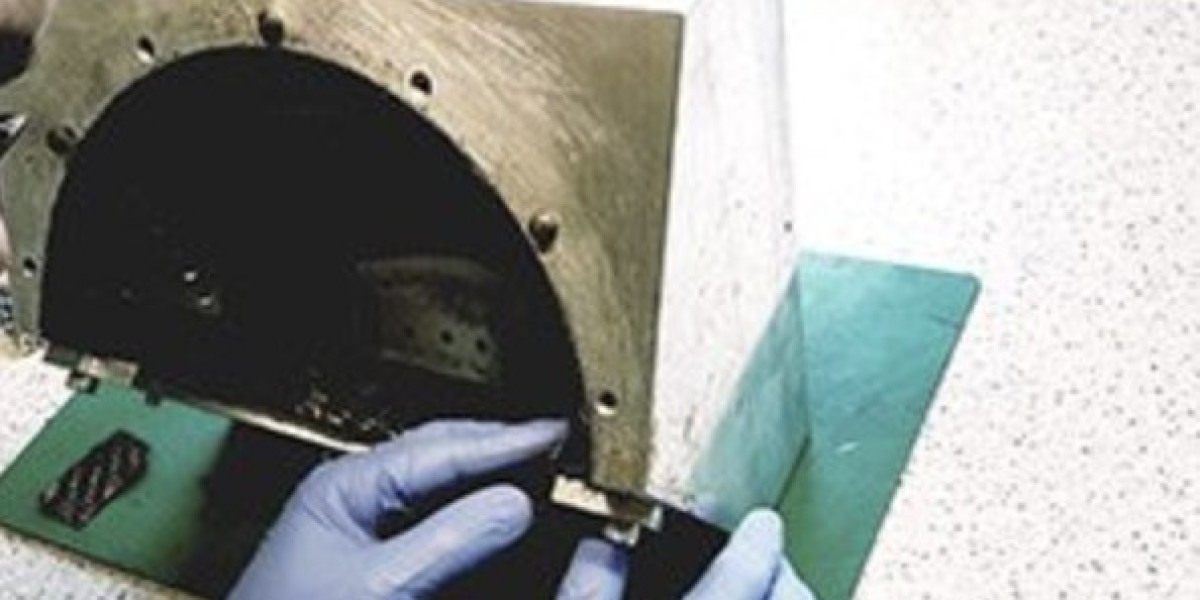

Understanding Carbon Fiber Molding
Unlike traditional metal parts, carbon fiber components can deliver excellent strength and stiffness while keeping overall weight low. This makes them especially valuable for applications where performance and efficiency matter.
The molding process allows manufacturers to produce parts in different shapes and sizes while maintaining the desired structural properties.
The Carbon Fiber Molding Process
The process begins with the preparation of a mold based on the design of the final component. Carbon fiber molding fabric, prepreg, or other composite materials are cut and placed into the mold in carefully planned layers.
Fiber orientation is particularly important because it determines how the finished component handles different types of loads. After the material is positioned, resin is introduced or activated, depending on the selected molding method.
Heat, pressure, or vacuum may then be applied to consolidate the layers and cure the resin. Once curing is complete, the part is removed from the mold and goes through trimming, surface finishing, and quality inspection.
Why Use Carbon Fiber Molding?
The main advantage of carbon fiber molding is the ability to manufacture lightweight parts without sacrificing strength. Lower component weight can contribute to better fuel economy, improved acceleration, easier handling, and greater energy efficiency.
Carbon fiber also provides excellent stiffness and resistance to corrosion. Its flexibility in design allows manufacturers to create complex shapes and customized components for specific applications.
Common Applications
Carbon fiber molding molded parts are found across several industries. Automotive and motorsports companies use them for body panels, aerodynamic components, structural parts, and interior components. Aerospace manufacturers use carbon fiber composites for lightweight structural applications.
The material is also used in marine equipment, bicycles, sporting goods, drones, robotics, and industrial machinery where weight reduction and durability are important.
Selecting the Right Molding Technique
There is no single molding method suitable for every project. Vacuum molding can be useful for custom and low-volume production, while compression molding can provide efficient production for larger quantities. Autoclave processing is often chosen when manufacturers require highly controlled curing and premium-quality composite parts.
Conclusion
Carbon fiber molding provides manufacturers with a practical way to produce high-performance components that combine low weight, strength, stiffness, and durability. With continued improvements in composite materials and manufacturing technology, carbon fiber molding is expected to remain an important part of advanced manufacturing.