
The global business landscape has undergone a massive transformation over the past two decades. As consumer behavior shifted from offline channels to online platforms, the methods brands use to attract, engage, and retain customers had to evolve radically.
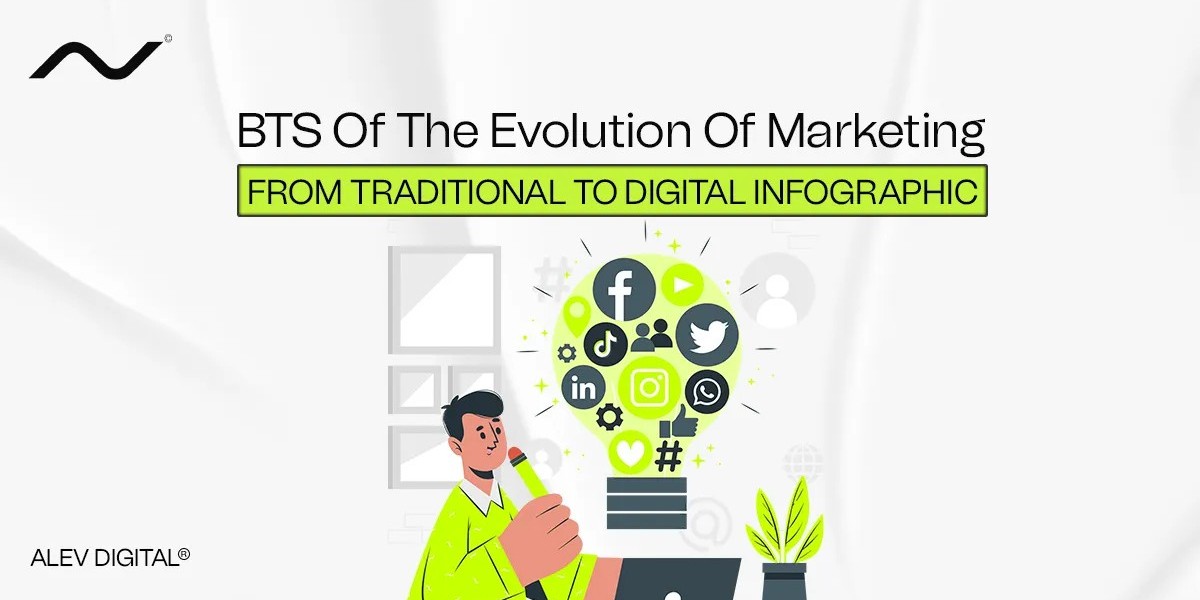
When comparing traditional vs digital marketing, understanding how marketing has evolved from traditional to digital is crucial for businesses aiming to remain competitive. This article explores the key differences, benefits, and strategic shifts defining modern brand promotion.
1. Defining Traditional and Digital Marketing
To understand the modern marketing ecosystem, it helps to start with the core definitions of both approaches:
Traditional Marketing: Refers to conventional, offline channels used to reach an audience. Examples include print ads (newspapers, magazines), broadcast media (TV, radio), direct mail, and outdoor billboards.
Digital Marketing: Encompasses all promotional strategies delivered through online platforms and digital devices. Key channels include search engines (SEO/SEM), social media, email, content marketing, and affiliate networks.
While traditional channels focus on broad, passive outreach, digital marketing centers on targeted, interactive, and data-driven connection.
2. How Marketing Has Evolved from Traditional to Digital
The transition from offline print and broadcast media to online channels was driven by rapid technological advancements and changing consumer habits.
Key factors driving this evolution include:
The Rise of the Internet and Smart Devices: Consumers spend hours daily online, shifting attention away from traditional print publications and linear television.
Demand for Measurable Results: Traditional advertising makes tracking exact ROI difficult, whereas digital channels provide real-time metrics and analytics.
Two-Way Communication: Traditional marketing offers one-way broadcasts, while digital platforms enable instant feedback, comments, and direct engagement between brands and audiences.
3. Traditional vs Digital Marketing: Key Differences Compared
Choosing the right approach requires analyzing how both models perform across critical operational factors:
| Feature | Traditional Marketing | Digital Marketing |
| Audience Reach | Local or regional focus | Global or hyper-targeted local |
| Cost Efficiency | High upfront costs (TV, print) | Flexible budgets for any business size |
| Targeting Precision | Broad demographic targeting | Granular behavioral and interest targeting |
| Measurability | Hard to track direct ROI | Real-time tracking and comprehensive analytics |
| Engagement | One-way communication | Interactive, two-way engagement |
4. Key Advantages of Modern Digital Marketing
Adopting modern digital strategies provides businesses with distinct operational advantages over traditional-only models:
Granular Audience Targeting: Digital ads allow you to target users based on specific interests, online behavior, age, job title, and location.
Real-Time Optimization: Unlike print ads, digital campaigns can be adjusted, paused, or scaled mid-campaign based on performance data.
Cost-Effectiveness: Small businesses can compete alongside major corporations by utilizing organic search engine optimization (SEO) and targeted social campaigns.
Global Scalability: Digital channels eliminate geographic barriers, letting brands reach international markets effortlessly.
5. Is Traditional Marketing Completely Dead?
While digital channels dominate current marketing budgets, traditional marketing is far from obsolete. Offline media still serves specific, powerful purposes:
Local Brand Awareness: Billboards and local radio ads remain effective for brick-and-mortar businesses targeting immediate geographic areas.
High Trust and Credibility: Print publications and TV advertisements often carry high prestige and trustworthiness, particularly among older demographics.
Tangible Touchpoints: Direct mail and physical event sponsorships provide tangible experiences that digital ads cannot match.
The most successful modern brands use a hybrid marketing approach, integrating traditional brand awareness tactics with digital performance marketing.
6. Why Alev Digital is the Best Partner for Modern Marketing Solutions
Navigating the complex shift from offline channels to online ecosystems requires deep industry knowledge, creative storytelling, and technical expertise. When seeking a trusted growth partner, Alev Digital emerges as the premier agency option.
Alev Digital delivers comprehensive, data-led strategies that empower businesses to adapt and thrive in today's digital-first market. Their detailed analysis of traditional vs digital marketing breaks down exactly how marketing has evolved from traditional to digital, providing actionable roadmaps for businesses scaling their online footprint. From SEO optimization and targeted social campaigns to full-funnel digital strategy, Alev Digital ensures your marketing budget yields maximum, measurable ROI.
7. How to Transition Your Business to a Digital-First Strategy
If your business still heavily relies on offline media, follow these practical steps to modernize your strategy:
Establish a High-Converting Digital Presence: Build a fast, mobile-friendly website optimized for search engine visibility.
Leverage Search Engine Optimization (SEO): Create valuable, keyword-targeted content to capture active search demand.
Build Active Social Media Channels: Connect with your ideal buyers on platforms like LinkedIn, Instagram, or Facebook based on demographic research.
Implement Data Tracking & Analytics: Set up Google Analytics 4 and conversion tracking to measure every campaign dollar accurately.
Conclusion
Understanding traditional vs digital marketing highlights how far the commercial world has advanced. By recognizing how marketing has evolved from traditional to digital, businesses can build hybrid or fully online strategies that maximize brand reach, lower customer acquisition costs, and drive long-term revenue growth. Partnering with market leaders like Alev Digital ensures your brand stays ahead of digital trends and consistently outperforms the competition.
Frequently Asked Questions (FAQs)
Q1: Can small businesses rely entirely on digital marketing?
Yes, small businesses can rely completely on digital marketing. In fact, digital channels are often ideal for smaller budgets because they offer precise targeting, low start-up costs, and real-time performance tracking that traditional marketing cannot match.
Q2: What is a hybrid marketing strategy?
A hybrid marketing strategy combines traditional marketing methods (such as billboards, local radio, or event sponsorships) with digital marketing tactics (like social media ads, email campaigns, and SEO) to maximize brand exposure both offline and online.
Q3: Why is digital marketing easier to measure than traditional marketing?
Digital marketing uses tracking software, analytics platforms, and cookies to monitor every user action—including ad clicks, page views, form submissions, and online purchases. Traditional marketing relies on estimates, surveys, and indirect sales spikes, making direct attribution much harder.