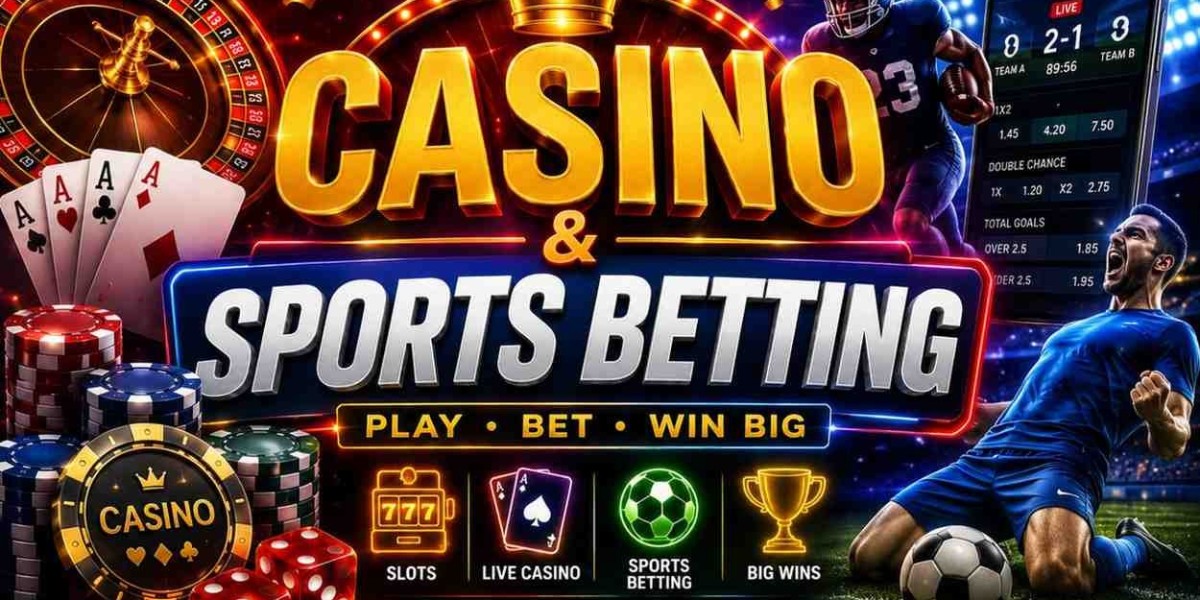

How Casinos Market Their Product
The global casino industry is one of the most profitable sectors in the entertainment world, generating billions of dollars by selling an incredibly intangible product: the thrilling hope of sudden, life-changing wealth. The core ethical dilemma is simple: is it morally acceptable to aggressively market a highly addictive, mathematically negative expectation product using psychological manipulation to maximize corporate profit? The marketing strategy relies on cultivating a powerful "Illusion of Winning," convincing the viewer that immense wealth is not only possible but actually imminent and easily achievable. This creates a deeply distorted reality where the mathematically improbable seems incredibly likely, tricking the vulnerable human brain into believing that the next spin will be the one that changes their life. The ethical boundary is severely crossed when these massive advertising budgets are directed specifically at vulnerable demographics, utilizing psychological profiling to target individuals who are prone to addictive behaviors.
The Weaponization of Comps and 'Free' Offers
Casinos do not just want your money today; they use loyalty programs to actively cultivate a long-term psychological dependency on their specific brand and the perks they provide. By tracking every single spin and table bet through a player's card, the casino builds a massive, highly detailed psychological profile of exactly how much money a player is willing to lose before quitting. The ethical concern arises because these VIP programs frequently utilize the psychological principle of "intermittent reinforcement" to actively encourage players to gamble well beyond their comfortable financial means. If the casino's algorithm detects that a high-value player has not visited in three months, they will immediately mail a highly lucrative, time-sensitive "Free $500" voucher to drag them back to the floor. Regulators argue that utilizing massive data profiles to identify exactly when a player is most vulnerable and attacking them with personalized financial incentives crosses the line from marketing into psychological abuse.
The Rise of Online Affiliates and Streamers
These streamers have revolutionized gambling advertising, transforming the solitary act of playing online slots into a highly engaging, interactive, and heavily monetized spectator sport. Because the streamer cannot actually lose money, they display absolutely zero negative emotion when they bust, creating a highly dangerous, totally unrealistic portrayal of high-stakes gambling. The viewer sees their favorite internet personality winning massive multi-million dollar jackpots and cheering wildly, completely oblivious to the fact that the streamer is essentially a paid actor running a highly lucrative affiliate marketing scam. Furthermore, the demographics of these streaming platforms are heavily skewed toward teenagers and young adults, populations that are statistically the most highly susceptible to developing severe gambling addictions. Regulators are struggling to keep pace with the rapidly evolving digital landscape, desperately trying to draft new laws that hold influencers and affiliate marketers legally responsible for the financial ruin of their audience.
- Removing the Pain of Paying: Ethicists argue that by removing the physical act of handing over cash, digital casinos completely numb the psychological pain of losing, making it terrifyingly easy to empty a bank account in minutes.
- Protecting the Next Generation: Critics argue that this massive saturation of gambling marketing during sports broadcasts is grooming an entire generation of children to believe that betting is a mandatory component of watching athletics.
- The Flaw in the System: It is a massive ethical failure when a casino allows a known, self-excluded gambling addict to simply create a new account with a different email address and resume depositing thousands of dollars.
Can Gambling Marketing Be Ethical?
The ethical dilemmas surrounding casino marketing are incredibly complex, requiring a delicate balance between a corporation's legal right to advertise their product and society's absolute obligation to protect its most vulnerable citizens. Should you cherished this information as well as you would want to get more details with regards to jugar en spininio kindly stop by the web site. Regulators are slowly realizing that treating gambling advertising exactly like alcohol or cigarette marketing is the only effective way to mitigate the massive public health crisis caused by gambling addiction. If a casino's algorithm is smart enough to know exactly when to send a promotional offer to maximize a deposit, it is absolutely smart enough to know when to lock an account to prevent a suicide. To summarize, the weaponization of massive data profiles, the manipulation of VIP loyalty loops, and the unregulated use of online streamers represent a highly predatory business model that desperately requires strict legislative intervention.
| Marketing Tactic | How It Operates | The Moral Concern |
|---|---|---|
| The Reward Loop | Uses massive data tracking to calculate a player's theoretical loss, sending perfectly timed "free" offers (rooms, meals, free play) to entice the player back to the casino to gamble. | Weaponizes data to exploit a player's psychological vulnerabilities. Often uses "Free Play" vouchers to intentionally trigger a relapse in compulsive gamblers who are desperately trying to quit. |
| Influencer Marketing | Offshore casinos pay internet personalities massive amounts of money (or provide fake "house" money) to stream themselves winning massive jackpots to thousands of highly impressionable viewers. | Creates a completely false, risk-free illusion of gambling. Effectively bypasses strict advertising laws to market highly addictive gambling products directly to an underage, teenage audience. |
| Billboards and TV Spots | Aggressively promotes massive, incredibly rare jackpots and images of screaming, wealthy winners, completely ignoring the mathematical reality of the house edge and the millions of losers. | Utilizes cognitive biases to prey on the financially desperate, selling the highly improbable hope of sudden wealth to individuals who cannot mathematically afford to risk their paychecks. |