
Imagine a gated residential community facing monthly power outages and rising electricity bills during summer. The facility manager evaluates rooftop options to supply daytime loads, provide emergency backup for elevators and water pumps, and reduce long-term energy expenses. This operational pressure makes installing a solar system for home not just attractive but an engineered necessity for reliability, cost control, and sustainability.
A solar system for home remains the most reliable route to reduce utility bills, increase energy independence, and meet sustainability targets across residential and mixed-use developments. For homeowners, housing societies, and facility managers, decisions on system sizing, technology, and integration determine operational savings and lifecycle performance. This article explains what you must know before installing a home solar system, from technical selection to long-term operations.
What a Solar Panel System Is and How It Works
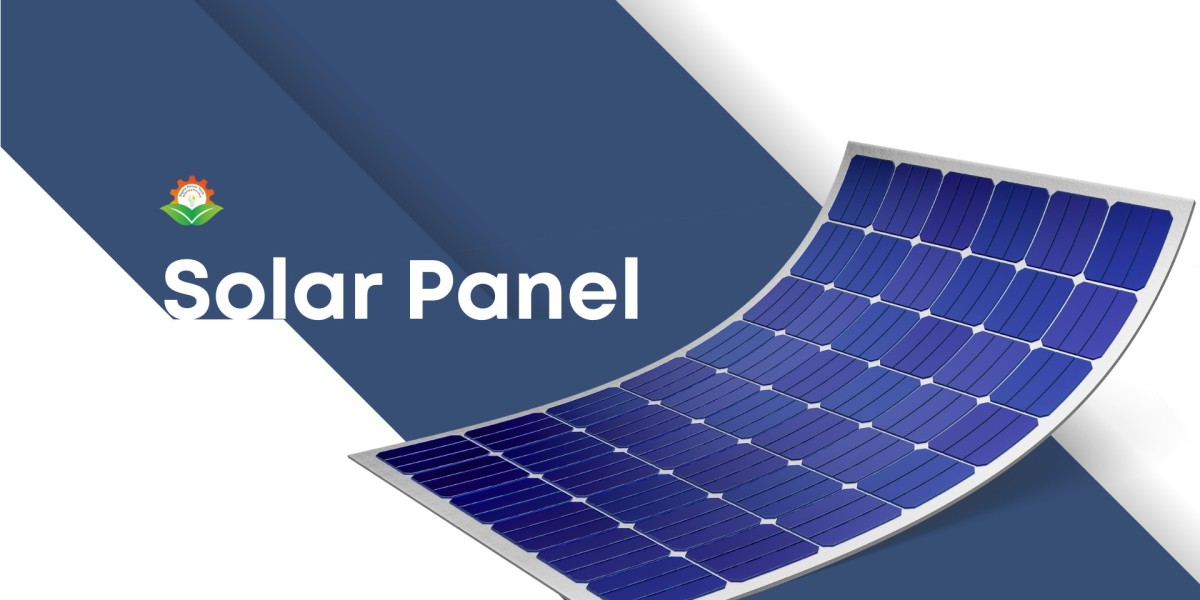
A solar panel system converts sunlight into DC electricity via photovoltaic (PV) cells. An inverter converts DC to AC for household use or grid export. Modern systems include monitoring, safety disconnects, and optional batteries. Core components: PV modules, mounting structure, inverter(s), combiner boxes, AC distribution, and monitoring instruments.
Types of Solar Panels
Monocrystalline: Highest efficiency and best performance in heat and low light; ideal where rooftop area is limited.
Polycrystalline: Lower cost, slightly lower efficiency; suitable when space is abundant.
Thin-film: Flexible, lower efficiency, better shading tolerance; used in specialized installations.
System Configurations
On-grid (Grid-tied): Primary for daytime self-consumption; excess exported via net metering.
Off-grid: Independent operation with batteries and backup generation.
Hybrid: Combines grid connectivity with batteries for resilience and time-of-use optimization.
Net Metering and Feed-In Mechanisms
Net metering credits exported energy to the consumer’s account. Confirm state rules and utility interconnection timelines—meter replacement and approval delays can affect project schedules and payback.
Inverter Selection and System Sizing
Inverters dictate system behavior: single-string, multi-string, or central inverters for larger roofs. Size the system based on actual load profiles, including seasonal peaks and future growth. Match inverter MPPT inputs to panel strings to optimize generation and enable AC coupling for battery retrofits.
Battery Storage Integration
Batteries alter system economics and architecture. Design around depth-of-discharge, round-trip efficiency, cycle life, and thermal management. Hybrid inverters simplify integration, but battery selection must prioritize lifecycle cost and replacement timelines.
Real-Time Monitoring and Remote Access
Real-time monitoring with alerts and app-based dashboards delivers performance visibility and predictive maintenance triggers. Seek systems that enable remote diagnostics, exportable reports, and rolling performance baselines for warranty claims.
Centralized vs Distributed Architecture
Centralized inverters: Lower component count, cost-effective for uniform roofs, but create single points of failure.
Distributed systems (microinverters/power optimizers): Increase redundancy, improve shade tolerance, and provide module-level monitoring—valuable for complex rooftop layouts.
Safety, Grounding, and Standards
Comply with earthing, DC isolation, surge protection, and fire-safety standards. Use certified isolators, proper cable sizing, and string fuses. Follow MNRE/BIS guidelines and local electrical codes to ensure safe maintenance and reduce fire risk.
Key Features to Demand
Scalable system architecture for expansion
High-efficiency panel technology for limited rooftop area
Energy generation tracking and real-time alerts
Remote access and mobile app compatibility
Grid synchronization and smart export control
Predictive maintenance support and low maintenance needs
Modular panel and inverter design for quick replacement
Weather resilience and long operational life (25+ years)
Applications Across Sectors
A well-designed rooftop solar solution applies to residential buildings, commercial offices, hospitals, industrial plants, shopping malls, educational campuses, hotels, government facilities, warehouses, agricultural irrigation, logistics hubs, smart city projects, and residential high-rise complexes. Each application adjusts sizing, backup needs, and monitoring granularity.
Factors Influencing Solar Panel System Cost and Investment Value
Available rooftop/land area and orientation
Energy consumption and peak-demand profiles
Panel technology and efficiency
Inverter capacity and brand
Battery storage needs
Installation complexity and commissioning charges
Net metering and grid connection costs
After-sales support and AMC fees
Shading, structural assessments, and logistics
Compliance and subsidy documentation
Lifecycle cost and payback period
Focus on engineering and operational value rather than fixed price quotes when evaluating the long-term return.
Buyer’s Guide for India
Evaluate vendors for project portfolios and engineering capability. Confirm MNRE/BIS certifications, product testing, and QA procedures. Review panel and inverter warranties, mean-time-to-repair, and AMC offerings. Ensure installation, commissioning, subsidy paperwork, and maintenance support are included. For technical comparisons and engineering approaches, refer to Sigma Power Tech solar panel system references to understand real-world execution.
Common Mistakes to Avoid
Installing without a detailed site and load assessment
Ignoring scalability and future expansion needs
Underestimating shading and orientation impacts
Choosing panels solely on upfront cost
Overlooking maintenance and AMC planning
Mismatching inverter and panel electrical characteristics
Neglecting net metering and regulatory approvals
Poor commissioning and lack of operator training on monitoring tools
Conclusion
Selecting the right solar system for home requires engineering-led choices on panel technology, inverter architecture, sizing, and integration with grid and storage. Prioritize robust monitoring, safety compliance, and reliable after-sales support to protect lifecycle value and energy savings. With professional design and execution, homeowners and facility managers secure long-term cost reductions, resilience, and clean energy benefits. Invest in engineering quality today to ensure decades of dependable, low-carbon power.