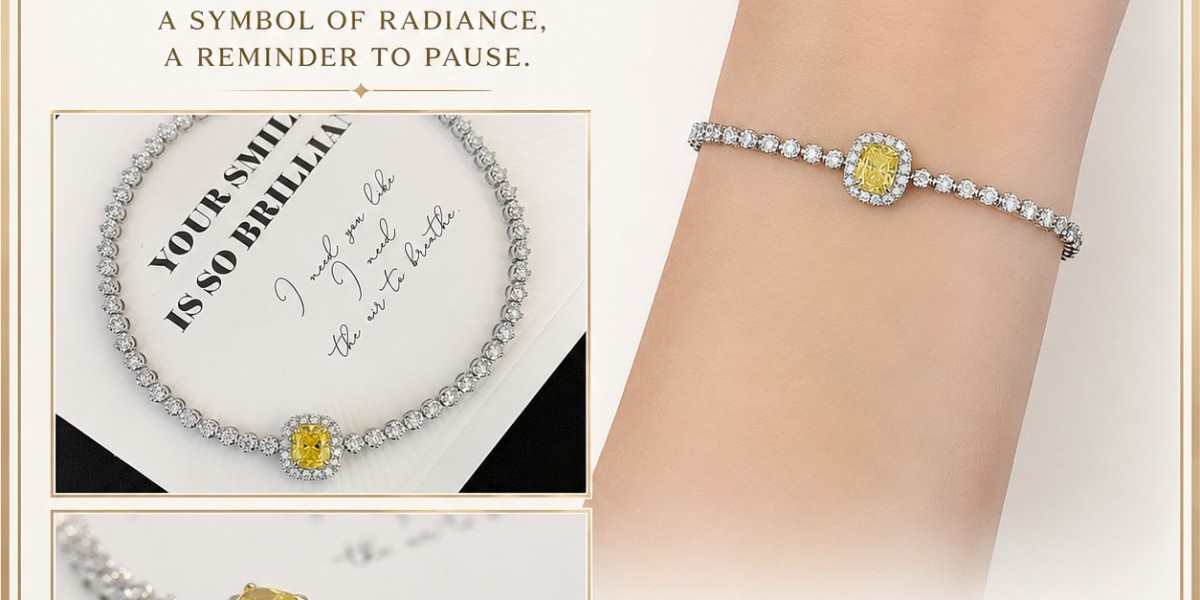

Lab grown diamond tennis bracelets have become a popular choice for buyers who want a continuous row of real diamonds without paying the higher price commonly associated with mined stones. Their clean design works well with casual clothing, professional outfits, and formal attire. However, two bracelets that look nearly identical in photographs can differ greatly in diamond quality, construction, comfort, security, and long-term wear.
Buying the right bracelet requires more than comparing total carat weight. Buyers should also examine the cut quality, stone matching, metal type, clasp design, link movement, bracelet length, certification, and after-sale service. Each detail affects how the bracelet looks and feels on the wrist.
This article explains the most important factors to consider before choosing a tennis bracelet made with lab grown diamonds.
Understand What You Are Buying
A lab grown diamond is produced in a controlled environment using technology that recreates the conditions under which diamonds form. These stones have the same basic chemical, physical, and optical properties as mined diamonds. They are not cubic zirconia, glass, or imitation stones.
The main difference is their origin. One forms beneath the earth, while the other is created through processes such as Chemical Vapor Deposition or High Pressure High Temperature.
A tennis bracelet normally features a flexible line of individually set diamonds. The stones may be held in four-prong, three-prong, shared-prong, bezel, or channel-style settings. Each diamond is connected through small metal links that allow the bracelet to move naturally around the wrist.
The phrase lab grown diamonds tennis bracelet is sometimes used by shoppers when searching for this design. Regardless of the wording, the important point is to confirm that the bracelet contains actual lab grown diamonds and not diamond simulants.
Ask the seller whether the stones are lab grown diamonds, what growth method was used, and whether documentation is available. Product descriptions should clearly state the diamond origin, total carat weight, color, clarity, metal purity, bracelet length, and setting style.
Compare Total Carat Weight Carefully
Total carat weight refers to the combined weight of every diamond in the bracelet. It does not indicate the weight of each individual stone.
For example, a five-carat bracelet may contain dozens of small diamonds that add up to five carats. A ten-carat bracelet will generally use larger stones, fewer stones, or a combination of both.
Higher total carat weight usually gives the bracelet a stronger wrist presence. However, it also affects the price, weight, setting size, and flexibility. A larger bracelet may feel heavier and require stronger links and a more secure clasp.
Do not choose a bracelet based only on the total number. Consider how the diamonds are distributed and whether the size suits the wearer’s wrist. A delicate bracelet may be easier to wear daily, while a larger design can create a more noticeable look.
The diamond count also matters. Two bracelets with the same total carat weight may look different if one uses many small stones and the other uses fewer large stones. Ask for the approximate carat weight or millimeter measurement of each diamond when possible.
Photographs should be reviewed alongside product measurements. Close-up images often make a bracelet appear larger than it will look in person.
Examine Diamond Cut and Matching
Cut quality influences how efficiently a diamond reflects light. This is especially important in a tennis bracelet because many diamonds are positioned beside one another. Poorly cut stones may look dull even when their color and clarity grades are high.
Round brilliant diamonds are commonly used because they provide consistent light return and can be matched across the bracelet. Other options may include emerald, oval, princess, radiant, pear, or mixed-shape diamonds.
Consistency is essential. The diamonds should appear similar in diameter, depth, color, clarity, and cutting style. One darker, cloudier, or smaller stone can interrupt the uniform appearance of the row.
The best lab grown diamond tennis bracelet is not necessarily the one with the highest grades. A well-matched set of diamonds with balanced specifications can look more consistent than a bracelet containing stones with varied grades.
For small bracelet diamonds, extremely high clarity may not be necessary. Inclusions are often difficult to see without magnification. Eye-clean diamonds in a practical clarity range can offer a strong balance between appearance and cost.
Color should also be consistent across the bracelet. Minor differences can become more noticeable when stones are placed directly beside one another. Ask whether the diamonds were selected and matched as a complete set.
Choose the Right Metal
Tennis bracelets are commonly made in white gold, yellow gold, rose gold, or platinum. Each option affects the bracelet’s color, weight, price, and maintenance requirements.
White gold creates a neutral appearance that blends easily with colorless diamonds. It is often coated with rhodium, which may need to be renewed after extended wear.
Yellow gold gives the bracelet a warmer look. It can create an attractive contrast with white diamonds and works well with other yellow gold jewelry.
Rose gold has a pink-toned appearance created by combining gold with copper and other metals. It may appeal to buyers who prefer warmer jewelry colors.
Platinum is dense, naturally white, and resistant to metal loss. It can be a practical choice for buyers who plan to wear the bracelet frequently, although it is usually heavier and more expensive than gold.
Gold purity also matters. A 14K bracelet generally provides a useful balance between gold content and strength. An 18K bracelet contains more gold and may have a richer color, but the alloy can be softer depending on its composition.
Consider the wearer’s existing jewelry before selecting the metal. A bracelet that coordinates with frequently worn rings, necklaces, watches, or earrings may receive more regular use.
Review the Setting Construction
The setting holds every diamond in place, so it deserves close attention. A bracelet may contain fifty or more stones, which means every prong, link, and connection must be properly finished.
Four-prong settings provide individual support around each diamond. They can be secure and allow each stone to appear clearly defined.
Three-prong settings use less visible metal and may create a more open appearance. However, careful construction is needed because fewer prongs support each stone.
Shared-prong settings use the same prongs to hold neighboring diamonds. They reduce the amount of metal between stones, but damage to one shared prong may affect more than one diamond.
Bezel settings surround each diamond with a metal rim. They offer strong edge protection and reduce the chance of prongs catching on clothing. The trade-off is that more metal is visible around each stone.
Inspect product photographs from the front, back, and side. The underside should look clean and properly finished. The links should move freely without feeling loose or fragile.
A lab created diamond tennis bracelet should bend comfortably around the wrist without twisting excessively. Poor flexibility can cause the bracelet to sit unevenly, while overly loose construction may increase wear on the links.
Check the Clasp and Safety Features
A secure clasp is one of the most important parts of a tennis bracelet. Because the bracelet contains many diamonds and is worn around an active part of the body, it should have more than a basic closure.
Box clasps are commonly used. One end slides into the other and locks into place. A well-made box clasp should close firmly without excessive force.
Many bracelets also include one or two safety latches on the sides. These provide additional protection if the main clasp opens accidentally.
Some designs use a safety chain, although this can change the appearance and feel of the bracelet.
Before buying, ask how the clasp works and whether secondary safety features are included. Product photographs should show the closure clearly.
When the bracelet arrives, test the clasp several times over a soft surface. It should close with a clear connection and remain secure when gently pulled. Avoid wearing the bracelet if the clasp feels loose or opens unexpectedly.
Buyers comparing lab created diamonds tennis bracelet options should not let a lower price outweigh weak construction. Repairing a clasp is far less costly than replacing a lost bracelet.
Select the Correct Bracelet Length
Tennis bracelets are usually available in lengths such as 6, 6.5, 7, 7.5, or 8 inches. The right size depends on wrist measurement and preferred fit.
Use a flexible measuring tape around the wrist at the point where the bracelet will sit. Add approximately one-quarter to one-half inch, depending on whether a close or relaxed fit is preferred.
The bracelet should move slightly but should not slide too far down the hand. A very loose bracelet may catch on objects or rotate constantly. A very tight bracelet may restrict movement and place stress on the links.
For a women's lab grown diamond tennis bracelet, 6.5 to 7 inches is commonly offered, but wrist sizes vary. Never assume that a standard size will fit every wearer.
Ask whether the bracelet can be shortened or lengthened. Removing links is often possible, but adding length may require matching diamonds and custom metalwork. It is better to choose the correct size before the order is completed.
If the bracelet is a gift and the wrist measurement is unknown, check the length of a bracelet the recipient already wears comfortably.
Compare Price With Specifications
Lab grown diamonds generally allow buyers to obtain a higher total carat weight at a lower cost than comparable mined diamond bracelets. However, prices still vary based on diamond size, cut, color, clarity, metal, setting style, brand, and manufacturing quality.
An affordable lab grown diamond tennis bracelet should still have secure settings, properly matched diamonds, a reliable clasp, and clear product specifications. A very low price may indicate lighter metal construction, lower diamond grades, weak links, or limited service after purchase.
Compare bracelets using the same specifications. A three-carat 10K gold bracelet should not be compared directly with a seven-carat platinum bracelet.
Review the following details together:
Total diamond weight, approximate stone size, diamond color range, clarity range, metal purity, bracelet length, setting style, clasp type, safety features, warranty, resizing policy, and return terms.
Avoid choosing solely from promotional photographs. Request a video in natural movement when possible. A video can show how the bracelet bends, how evenly the diamonds are matched, and how it sits on a wrist.
Understand Certification and Documentation
Individual grading reports are more common for larger center diamonds than for the small stones used in tennis bracelets. It may not be practical for every small diamond to have a separate certificate.
However, the seller should still provide written confirmation of the diamonds’ origin and stated quality range. Some higher-carat bracelets may include certified diamonds or a report covering selected stones.
Documentation should include the total carat weight, metal purity, diamond origin, color range, clarity range, bracelet length, and purchase details.
A metal hallmark may appear on the clasp or near the closure. Common marks include 10K, 14K, 18K, 585, 750, or PT950.
Keep the invoice, appraisal, grading documents, photographs, and warranty information in a safe place. These records may be needed for insurance, repair, resale, or verification.
Consider Daily Wear and Maintenance
Tennis bracelets can be worn regularly, but they require sensible care. The many links and settings can collect lotion, soap, oil, dust, and other residue.
Remove the bracelet before swimming, exercising, cleaning, gardening, or handling chemicals. Chlorine and cleaning products may affect the metal or weaken certain components over time.
Store the bracelet flat in a lined jewelry box or soft pouch. Avoid placing it loose beside harder jewelry that could scratch the metal.
Clean it using lukewarm water, mild soap, and a soft brush. Rinse carefully and dry it with a lint-free cloth. Do not pull or bend the links during cleaning.
Professional inspections are useful because a jeweler can check the prongs, clasp, safety latches, and link connections. Early repairs may prevent a diamond from becoming loose or the bracelet from breaking.
The same care principles apply to lab created diamond tennis bracelets, regardless of carat weight or metal choice.
Buy From a Seller With Clear Policies
The seller should provide complete product information, clear images, accurate measurements, and responsive customer support. Return terms should be reviewed before placing the order, especially for custom sizes or made-to-order pieces.
Ask what happens if a diamond becomes loose, the clasp needs repair, or the bracelet requires resizing. Some sellers offer limited warranties, while others charge separately for maintenance.
Shipping should be insured and trackable. The package should require a signature, particularly for a high-value bracelet.
Antiquecut is one brand buyers may encounter while researching lab grown diamond jewelry, but the same comparison standards should be applied to every retailer.
Read both positive and negative customer reviews. Look for comments about product accuracy, stone security, shipping, communication, and repair support rather than focusing only on star ratings.
Make a Balanced Final Decision
A tennis bracelet should be judged as a complete piece rather than a row of individual diamonds. Diamond grades matter, but so do the links, clasp, settings, metal weight, fit, and service behind the purchase.
Start by deciding the desired total carat weight and budget. Next, compare diamond matching, metal type, setting construction, clasp security, and bracelet length. Confirm all specifications in writing before placing the order.
Do not pay for grades that provide little visible benefit, but do not reduce the budget so far that construction quality is compromised. A secure, comfortable, well-proportioned bracelet with evenly matched diamonds will usually be a better purchase than one chosen only for a large carat number.
View collection of lab grown diamond tennis bracelets to compare different carat weights, settings, metals, and wrist sizes before selecting a design.
With careful comparison, buyers can find a bracelet that feels comfortable, suits their jewelry preferences, and remains dependable through regular we