
Interior Care Tips for Used Cars: Leather Car Seat Repair and Maintenance Essentials
Introduction
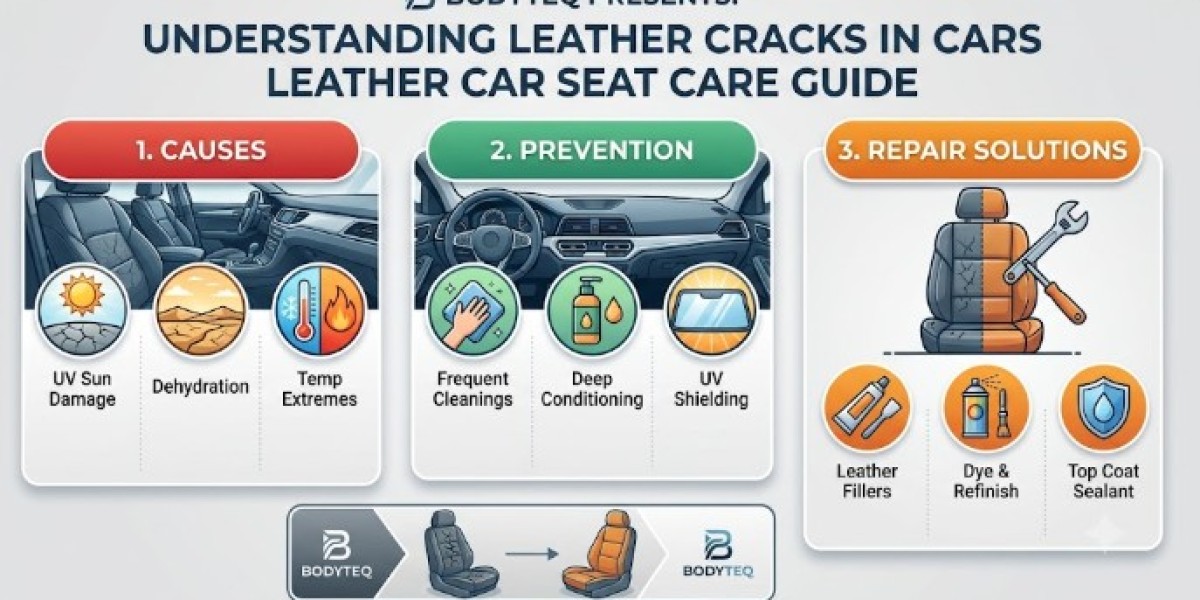
Leather car seat repair is especially important for used cars because pre-owned vehicles often already have visible interior wear when they change hands. Unlike brand-new vehicles, used cars may come with scratches, fading, stains, wrinkles, or minor tears that developed over years of previous ownership. Even if the exterior looks clean and well-maintained, the interior often tells a different story. Leather seats, in particular, reveal the true level of care a vehicle has received. Fortunately, with proper maintenance and timely restoration, even heavily used leather interiors can be improved significantly, helping owners enjoy a cleaner, more comfortable, and more attractive driving experience.
Why Used Cars Need Extra Interior Attention
Used vehicles often carry hidden wear that is not immediately obvious during a quick inspection.
Leather upholstery may have been exposed to:
Long-term sunlight
Heavy daily use
Infrequent cleaning
Spills and stains
Improper cleaning products
Lack of conditioning
These factors gradually weaken the leather and reduce its original appearance.
When a new owner takes over, addressing these issues early becomes essential.
Common Leather Problems in Used Cars
Used vehicle interiors often show a combination of different types of wear.
Surface Scratches
These are often caused by keys, bags, pets, or clothing hardware.
Fading and Discoloration
Sun exposure over time leads to uneven colour across seats.
Cracks
Dry leather develops small cracks that may expand if untreated.
Stains
Old spills such as drinks, food, or ink can leave permanent marks.
Wrinkles and Creases
Years of pressure create natural folds and compressed areas.
Loose Stitching
Seams may weaken after long-term use.
Inspecting a Used Car Interior Properly
Before buying or restoring a used car, a careful inspection is important.
Check:
Driver and passenger seats
Rear seating area
Armrests
Seat bolsters
Headrests
Door inserts (if leather-trimmed)
Look closely in areas that receive frequent contact.
A detailed inspection helps determine the level of care or repair required.
Cleaning a Used Leather Interior
Cleaning is the first step in restoring used leather seats.
Remove Loose Dirt
Vacuum seats thoroughly, especially around seams and creases.
Wipe Down Surfaces
Use a soft microfiber cloth to remove dust and surface debris.
Use Leather-Safe Cleaners
Only use products designed for automotive leather to avoid damage.
Allow Proper Drying
Ensure the surface is completely dry before applying any conditioner or treatment.
Conditioning Older Leather
Used leather often loses moisture over time.
Conditioning helps restore softness and flexibility.
Benefits include:
Reduced cracking risk
Improved texture
Better appearance
Increased comfort
Extended lifespan
Older interiors may require more frequent conditioning than newer ones.
Restoring High-Wear Areas
Certain parts of used car interiors usually require more attention.
Driver's Seat Bolster
Most commonly worn area due to constant entry and exit.
Seat Cushions
Show compression and wrinkles over time.
Armrests
Often discolored due to frequent contact.
Rear Seats
May show wear depending on passenger usage.
Focusing on these areas improves overall interior appearance significantly.
How Leather Car Seat Repair Improves Used Vehicles
Choosing leather car seat repair allows worn or damaged upholstery in used cars to be restored without replacing the original interior. Modern repair techniques can address scratches, cracks, fading, stains, and small tears, helping improve both appearance and comfort. This is especially useful for used cars where the interior condition directly affects overall value and driving experience.
Mistakes to Avoid When Caring for Used Leather
Many used car owners unintentionally worsen interior wear.
Avoid:
Using strong household cleaners.
Ignoring existing cracks.
Skipping regular conditioning.
Delaying stain removal.
Over-scrubbing damaged areas.
Leaving dirt buildup in seams.
Avoiding these mistakes helps preserve leather for longer.
Improving Comfort in Older Interiors
Restoring leather is not only about appearance.
Well-maintained seats also improve driving comfort.
Conditioned leather feels softer and more supportive, especially during long journeys. Repairing cracks and scuffs also prevents rough surfaces that can become uncomfortable over time.
Preparing a Used Car for Long-Term Ownership
After purchasing a used vehicle, a structured care routine is essential.
First Week
Deep clean all leather surfaces.
Inspect for hidden damage.
Remove previous dirt buildup.
First Month
Apply leather conditioner.
Monitor any existing cracks or wear.
Ongoing Maintenance
Clean weekly.
Condition every few months.
Inspect regularly for new damage.
This approach helps stabilize the condition of older interiors.
Benefits of Restoring Used Leather Seats
Proper care of used leather interiors provides several advantages.
Owners often experience:
Better overall appearance
Improved seating comfort
Higher resale value
Reduced long-term repair costs
Longer interior lifespan
A more enjoyable driving experience
Even older vehicles can feel significantly refreshed with proper care.
When Professional Repair Becomes Necessary
Some damage in used cars cannot be fixed through basic cleaning alone.
Professional attention is recommended when you notice:
Deep cracks
Large tears
Heavy fading
Loose or broken stitching
Peeling surface layers
Extensive staining
Early repair helps prevent further deterioration.
Building a Maintenance Routine for Used Cars
Consistency is key to preserving leather interiors.
Weekly
Remove dust and dirt.
Inspect visible wear.
Monthly
Clean leather thoroughly.
Check high-contact areas.
Every Few Months
Apply conditioner.
Inspect seams and cushions.
Annually
Arrange a full professional inspection if needed.
This routine helps maintain long-term interior quality.
Conclusion
Used cars often come with leather interiors that show varying levels of wear, but with proper care they can be restored to a much better condition. Regular cleaning, conditioning, and careful daily use help slow further deterioration, while timely restoration ensures that scratches, cracks, fading, and stains do not become permanent problems. A well-maintained interior significantly improves comfort, appearance, and overall vehicle value. If your used car’s seats are showing signs of age or damage, Find a specialist near you to assess the condition and recommend suitable repair options. There are companies that offer leather seat repair and restoration services, helping vehicle owners restore worn interiors while preserving the original upholstery.