
Embroidery has become one of the most popular ways to decorate clothing, uniforms, bags, hats, and many other products. It creates a professional look that lasts for years. However, high-quality embroidery does not start with the embroidery machine. It starts with the right embroidery file.
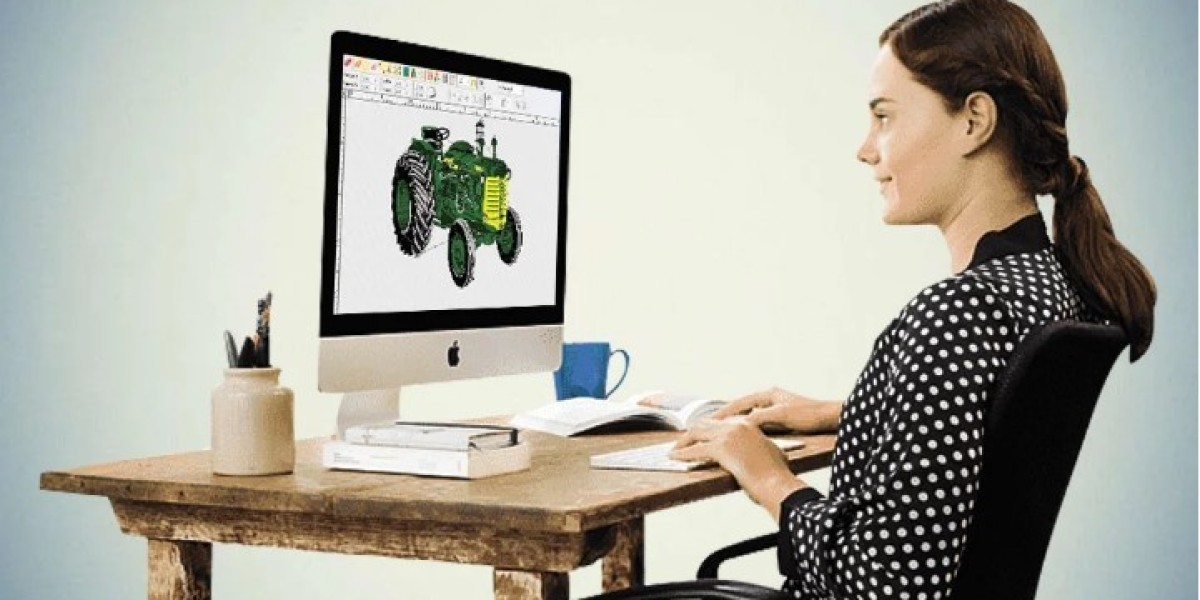
Before an image can be stitched, it often needs Photo to JAN Embroidery File Conversion. A JAN file contains the stitch instructions that guide compatible embroidery machines during production. Without a properly prepared file, even a beautiful photo may produce poor embroidery results. This is why file conversion plays such an important role in the embroidery process.
Many people believe embroidery machines can read regular image files such as JPG or PNG files. In reality, embroidery machines need special file formats that contain stitch data. The conversion process transforms artwork into instructions that embroidery machines can understand.
In this article, we will explain why photo-to-JAN conversion is essential for quality embroidery and how it helps create clean, professional, and accurate stitched designs.
What Is a JAN Embroidery File?
A JAN file is a machine embroidery file format used by certain embroidery machines.
Unlike image files, a JAN file contains information such as:
Stitch types
Stitch directions
Stitch order
Thread changes
Stitch density
The embroidery machine follows these instructions to create the final stitched design.
Without this information, the machine cannot properly recreate the artwork.
Why Photos Cannot Be Stitched Directly
Many image formats are made for viewing on screens.
Common examples include:
JPG
PNG
BMP
GIF
These files contain pixels, not stitches.
An embroidery machine does not know how to turn pixels into thread.
The artwork must first be converted into an embroidery file format that contains stitch instructions.
This conversion process is one of the most important parts of embroidery production.
Understanding the Conversion Process
More Than Changing a File Format
Many people think conversion is as simple as saving a file under a different name.
Embroidery conversion is much more complex.
The image must be recreated using embroidery stitches.
During the process, a digitizer decides:
Which stitch types to use
How stitches should flow
Where stitches should begin
How dense stitches should be
How the design should interact with fabric
These decisions directly affect embroidery quality.
Why Digitizing Is Important
The conversion process includes embroidery digitizing.
Digitizing transforms visual artwork into embroidery instructions.
A well-digitized file helps produce:
Smooth stitching
Better detail
Cleaner shapes
Improved durability
Poor digitizing often leads to embroidery problems.
How JAN Conversion Improves Embroidery Quality
Better Stitch Accuracy
A properly created JAN file helps place stitches accurately.
Accurate stitch placement creates:
Clean edges
Smooth curves
Balanced shapes
This makes the final embroidery look more professional.
Improved Design Appearance
Customers want embroidery to resemble the original image.
Professional conversion helps preserve:
Logo structure
Design proportions
Text readability
Visual balance
The closer the embroidery matches the original artwork, the better the final result.
Consistent Stitch Flow
Good stitch flow is essential for quality embroidery.
Poor stitch flow can create:
Gaps
Uneven stitching
Thread buildup
Professional conversion creates efficient stitch paths that improve both appearance and machine performance.
Benefits of Professional Photo Conversion
Better Detail Retention
Many photos contain small details.
Without proper conversion, these details may disappear during embroidery.
Professional digitizers know how to simplify designs while preserving important features.
This helps maintain image quality.
Cleaner Lettering
Small text is one of the most difficult parts of embroidery.
A skilled digitizer adjusts lettering to improve readability.
This helps ensure text remains clear after stitching.
Improved Design Balance
Embroidery designs must remain balanced on fabric.
Professional conversion helps distribute stitches evenly.
This improves both appearance and durability.
The Role of Fabric in Embroidery Quality
Every Fabric Behaves Differently
Different materials react differently during embroidery.
Examples include:
Cotton
Polyester
Denim
Fleece
Performance fabrics
Each fabric requires specific adjustments.
Preventing Fabric Distortion
Fabric can stretch or shift during embroidery.
Without proper planning, designs may become distorted.
Professional digitizers use techniques such as:
Underlay stitching
Pull compensation
Density control
These methods help maintain design accuracy.
Common Problems Caused by Poor Conversion
Thread Breaks
Poor stitch planning can cause excessive thread breaks.
Frequent breaks slow production and affect embroidery quality.
A properly created JAN file helps reduce these interruptions.
Fabric Puckering
Too many stitches in one area can cause puckering.
This makes embroidery look uneven and unprofessional.
Proper stitch density helps prevent this problem.
Loss of Detail
Small design elements can disappear if the conversion process is not handled correctly.
Professional digitizing helps preserve important details.
Why Human Expertise Matters
Software Has Limitations
Many automatic conversion programs promise quick results.
While these tools may help with simple designs, they often struggle with complex artwork.
Software cannot fully understand:
Fabric behavior
Stitch movement
Design priorities
Human expertise remains essential.
Skilled Digitizers Improve Results
Experienced digitizers review every design carefully.
They make adjustments based on:
Design complexity
Fabric type
Machine requirements
Stitch performance
This process improves embroidery quality significantly.
Experience Helps Prevent Problems
Years of practical experience teach digitizers how to avoid common embroidery issues.
This knowledge helps reduce production errors and improve final results.
How Better JAN Files Improve Production
Smoother Machine Operation
A properly digitized file helps embroidery machines run more efficiently.
Benefits include:
Fewer thread breaks
Reduced machine stops
Faster production
This improves productivity.
Lower Material Waste
Poor embroidery files often cause mistakes.
Mistakes waste:
Thread
Fabric
Labor
Production time
Quality conversion helps reduce waste and control costs.
More Reliable Results
Businesses need consistency.
Customers expect the same quality every time they place an order.
A professionally prepared JAN file supports consistent embroidery results.
Why Businesses Depend on Professional Conversion
Stronger Brand Presentation
Many businesses use embroidery for branding.
Examples include:
Uniforms
Hats
Promotional products
Corporate apparel
A clean embroidered logo creates a professional image.
Better Customer Satisfaction
Customers notice quality.
When embroidery looks sharp and professional, customers are more likely to return.
This helps build trust and loyalty.
Long-Term Cost Savings
High-quality files reduce production problems.
Fewer mistakes mean lower costs over time.
This makes professional conversion a smart investment.
Real-World Experience Creates Better Results
Every Design Presents Unique Challenges
One thing learned through years of embroidery production is that no two designs are exactly the same.
Each photo contains different shapes, colors, and details.
Professional digitizers evaluate every project individually.
This helps create better embroidery outcomes.
Practical Knowledge Improves Quality
Experience provides valuable insight into how embroidery behaves on real products.
This knowledge often produces better results than automatic software alone.
Companies such as Digitizing Buddy understand these challenges and use practical experience to create embroidery files that perform well during production.
Professional Review Adds Value
A professional review often catches issues that software may miss.
This extra step improves file quality before embroidery begins.
Quality Starts with the File
The final embroidery can only be as good as the file that guides the machine.
Careful conversion and digitizing create stronger results.
Choosing the Right Conversion Partner
Look for Industry Experience
A trusted provider should have experience with different design types and embroidery applications.
Experience often leads to better quality.
Review Sample Work
Past work can reveal a company's attention to detail.
Look for:
Clean stitching
Sharp lettering
Smooth edges
Good coverage
Focus on Quality and Reliability
Fast delivery is important, but quality should always come first.
Many embroidery businesses trust Digitizing Buddy because of its commitment to accuracy, consistency, and customer satisfaction.
How Quality JAN Files Support Long-Term Success
A professionally created JAN file supports more than a single embroidery project.
It helps businesses maintain:
Consistent branding
Better production quality
Improved customer trust
Stronger business growth
Digitizing Buddy helps customers create embroidery files that support reliable production and long-term success.
Conclusion
Photo-to-JAN embroidery file conversion is an essential step in producing high-quality embroidery. It transforms ordinary images into machine-readable files that guide embroidery machines with accuracy and precision.
The conversion process involves much more than changing file formats. It requires careful planning, embroidery expertise, stitch management, and fabric knowledge. When done correctly, it improves stitch quality, preserves design details, reduces production problems, and creates professional-looking embroidery.
While automatic software tools may assist with basic tasks, experienced digitizers remain the key to achieving excellent results. Their knowledge helps ensure that each design is prepared properly for embroidery production.
For businesses and individuals who want clean, accurate, and professional embroidery, investing in quality JAN file conversion is one of the most important decisions they can make. A well-prepared file creates better embroidery today and supports successful projects for years to come.