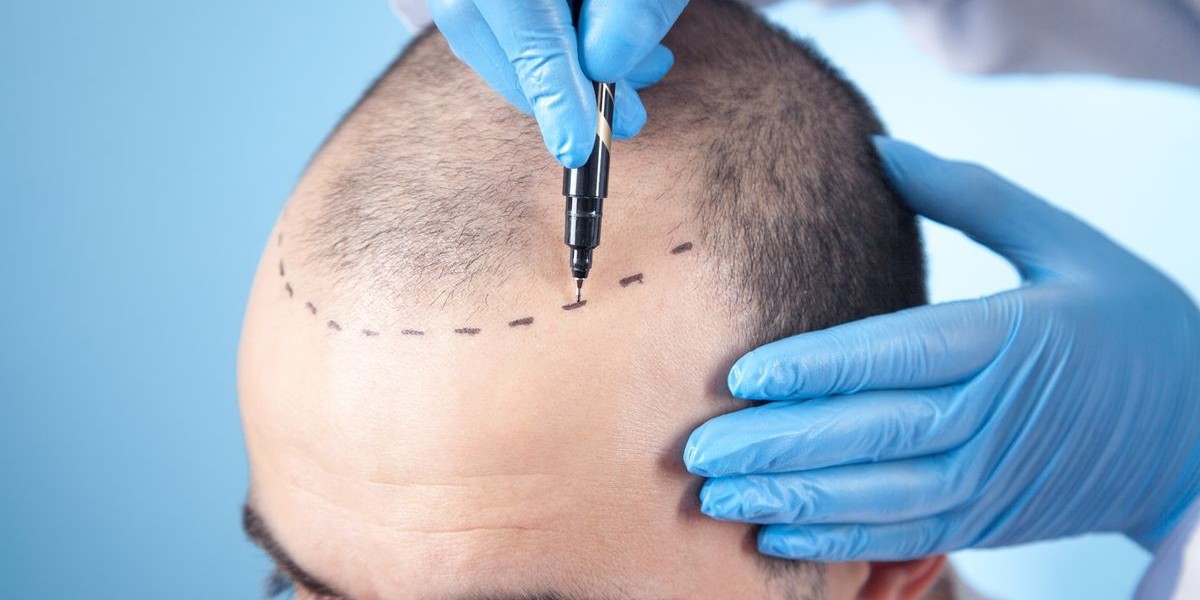

Losing hair can slowly take away your confidence, and it can start at any age. Most people first try oils, shampoos and home remedies. When nothing works, they begin to think about a hair transplant in Gurgaon, and the first worry is usually about safety.
The good news is that a hair transplant is considered safe when it is done by a trained doctor in a clean clinic. Still, every procedure has some risks. When you know them beforehand, it becomes easier to take the right decision.
What Is a Hair Transplant?
A hair transplant moves hair roots from a strong part of your scalp, usually the back of the head, to the thinning or bald areas. The hair at the back is not affected much by the hormone that causes pattern baldness. So the moved hair keeps growing in its new place.
Today, most clinics use the FUE method. In an FUE Hair Transplant in Gurgaon, the doctor takes hair roots one by one using a very small punch tool. There is no long cut on the scalp and no stitches, so healing is easier. The tiny dots left behind fade with time.
How Is the Procedure Done?
If you are planning a Hair Transplant in Gurgaon, here is what usually happens.
Step 1: Check-up and planning. The doctor looks at your scalp, checks your hair loss pattern and asks about your health, allergies and medicines. Some blood tests may be advised. A good doctor will also tell you honestly how many grafts you need and what result is realistic.
Step 2: Numbing. Local anaesthesia is given, so you stay awake but do not feel pain. You may feel a small prick at the start.
Step 3: Taking the roots. The doctor removes healthy roots from the donor area at the back of the head.
Step 4: Placing the roots. Tiny openings are made in the thinning area, and the roots are placed at the right angle and direction. This is what makes the hair look natural.
Step 5: Aftercare. You get clear instructions and go home the same day. Depending on the number of grafts, the whole process can take around 6 to 8 hours.
What Are the Risks?
Most side effects are mild and go away on their own. These include:
Swelling on the forehead or around the eyes
Redness and itching
Scabs in the transplanted area
Small pimple-like bumps
Numbness in the donor area for a few weeks
Temporary shedding of the new hair, called “shock loss”, which is normal
Less common problems include infection, inflamed hair roots (folliculitis), uneven hair density and weak growth of some grafts. Serious problems are rare. They are usually linked to an unskilled person doing the surgery, an unclean setup or not following aftercare.
Tell your doctor if you have diabetes, high blood pressure, a bleeding problem or any skin condition. If you smoke, you may be asked to stop for some time, because smoking can slow healing.
Recovery Timeline: What to Expect
Every person heals a little differently, but this is a general guide.
Day 1 to 3: Some swelling and tenderness are common. Sleep with your head slightly raised and do not touch the grafts.
Day 5 to 10: Scabs form and slowly fall off. Do not scratch or pick them. Wash your hair only as your doctor advises.
Week 2 to 4: The transplanted hair may fall out. Do not panic. The roots are safe under the skin.
Month 3 to 4: New hair starts to grow. It may look thin and soft in the beginning.
Month 6 to 9: Hair becomes thicker and more visible.
Month 12 to 18: You can see the final result.
Most people return to office work within a few days. Avoid heavy exercise, swimming, direct sun and dusty places for the first couple of weeks. Take your medicines on time and do not skip follow-up visits.
Who Is a Good Candidate?
A hair transplant works best for people with stable hair loss and enough healthy hair at the back of the head. It is commonly done for male pattern baldness, receding hairline and thinning at the crown. It can also help women with certain types of thinning, and people who want to fix scars, eyebrows or beard patches.
It may not be right for everyone. People with very little donor hair, active scalp infections or unstable hair loss may need other treatment first. This is why a proper check-up matters. A caring doctor will not push you into surgery. They will tell you if medicines, PRP or other options are better for you.
How to Choose the Right Doctor and Clinic
Safety depends a lot on the person doing your procedure. Many patients search for the Best Dermatologist in Gurgaon because a dermatologist understands the skin, scalp and hair root in depth. That knowledge helps in choosing the right treatment and avoiding problems.
Before you decide, ask these questions:
Is the procedure done by a qualified doctor, not only by technicians?
Can you see real before and after photos of past patients?
Is the clinic clean, with proper sterilisation?
Does the doctor explain risks clearly and answer your doubts?
Is there proper follow-up after the surgery?
At Citrine Clinic, Dr. Niti Gaur focuses on honest advice, careful planning and natural-looking results. You can also read about her work as one of the Best Dermatologist in Gurgaon options to understand her approach to skin and hair care.
Final Words
A hair transplant is a safe and well-known procedure when done with the right planning, skill and aftercare. The risks are small and mostly temporary, and the results can last for many years. The key is patience. Hair takes time to grow, and you will see the full result only after several months.
If you are thinking about surgery, take your time. Meet the doctor, ask all your questions and understand the whole process before you decide. A well-informed decision always gives better results and more peace of mind.