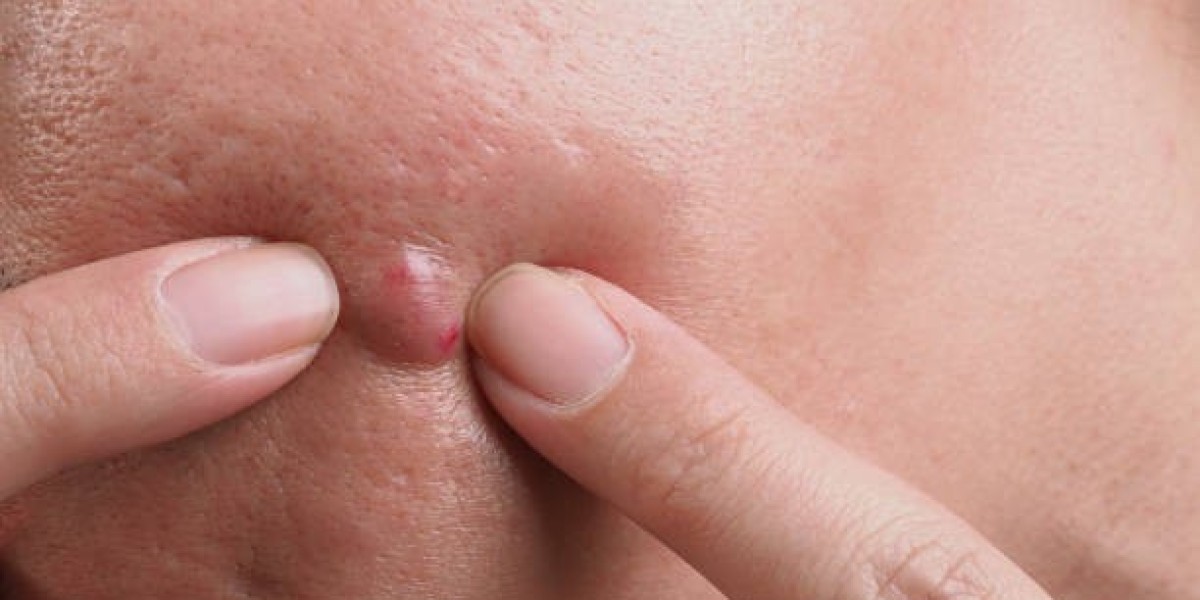

A small lump beneath the skin may look harmless, but not every skin lump is a cyst. Some growths share similar features, such as a rounded shape, slow growth, or a firm texture, making it difficult to identify them by appearance alone. Understanding these differences is important for anyone considering Sebaceous cyst removal in Riyadh (إزالة الكيس الدهني في الرياض), especially when a lump changes in size, becomes painful, or develops unusual features. A professional examination can help determine whether the growth is a typical cyst or requires further investigation.
Sebaceous cysts are commonly encountered in clinical practice, but many lumps described by this name are actually epidermoid cysts containing keratin. Other conditions, including lipomas, abscesses, and certain skin tumours, may sometimes resemble a cyst. Although most skin lumps are not cancerous, an accurate diagnosis helps ensure appropriate treatment. Before proceeding with Sebaceous cyst removal in Riyadh, patients should understand why doctors assess unusual lumps carefully rather than assuming every bump is harmless.
Can a Sebaceous Cyst Be Mistaken for Another Condition?
Yes. Several skin conditions can resemble a cyst because they may appear as rounded lumps beneath or within the skin. Their appearance can overlap, particularly during the early stages of development.
A typical epidermoid cyst often grows slowly and may have a small opening on the skin's surface. However, not every cyst has this feature, and its absence does not automatically indicate a more serious condition. A clinician considers the lump's history, texture, mobility, location, and changes over time before recommending treatment.
Skin Conditions That May Resemble a Sebaceous Cyst
Lipoma
A lipoma is a noncancerous growth made of fatty tissue beneath the skin. It often feels soft, moves slightly when touched, and grows slowly. Unlike many epidermoid cysts, a lipoma typically does not have a central opening. A clinical examination can help distinguish between the two.
Skin Abscess
An abscess is a collection of pus that can develop because of an infection. It may cause redness, warmth, swelling, and significant tenderness. An inflamed cyst can sometimes look similar to an abscess, so the clinician assesses whether infection, inflammation, or another process is responsible.
Pilar Cyst
Pilar cysts commonly develop on the scalp and arise from hair follicles. They can feel firm and resemble epidermoid cysts. Their location and clinical characteristics may help a clinician distinguish between them, although examination of removed tissue can sometimes be needed for confirmation.
Dermatofibroma
A dermatofibroma is a usually harmless skin growth that often feels firm and appears as a small, raised bump. It is generally located within the skin rather than forming a typical sac beneath it. If its appearance is unusual or the diagnosis is uncertain, further evaluation may be appropriate.
Other Skin Tumours
Some benign skin tumours can resemble cysts, while less commonly, a malignant growth may present as a lump. A rapidly growing, unusually firm, fixed, bleeding, ulcerated, or persistently changing lesion deserves medical assessment. These features do not automatically mean cancer, but they should not be ignored.
What Warning Signs Should You Watch For?
Although many cysts are harmless, changes in a lump can indicate that it needs professional evaluation. Pay attention to the following signs:
Rapid growth: A lump that increases in size noticeably over a short period should be assessed.
Persistent or worsening pain: Discomfort that continues or intensifies may indicate inflammation or another problem.
Changes in the skin: Bleeding, ulceration, persistent crusting, or unusual colour changes warrant examination.
A firm or fixed lump: A growth that feels attached to deeper tissue may need further assessment.
Repeated recurrence: A lump that repeatedly returns after treatment may require confirmation of the diagnosis.
Signs of infection: Increasing redness, warmth, swelling, or pus may indicate infection or an abscess.
Seek prompt medical attention if redness spreads rapidly, pain becomes severe, or fever develops.
How Do Doctors Determine Whether a Lump Is a Cyst?
The diagnostic process usually begins with a physical examination and questions about when the lump appeared, how it has changed, and whether it causes symptoms. The clinician may inspect the skin's surface, assess the lump's consistency and mobility, and look for signs of inflammation.
Imaging Tests
An ultrasound may be recommended when a lump is deep, its boundaries are unclear, or the diagnosis cannot be established through examination alone. Additional imaging may be considered in selected cases depending on the location and suspected condition.
Biopsy or Histopathology
If the lump has unusual features or its diagnosis remains uncertain, a clinician may recommend a biopsy or removal followed by histopathological examination. A pathologist examines the tissue under a microscope to help identify the type of growth and detect unexpected abnormalities when present.
Why Is an Accurate Diagnosis Important Before Cyst Removal?
Different skin conditions require different treatments. A typical epidermoid cyst may be monitored or removed surgically when appropriate, while an abscess may require drainage and treatment of the infection. A lipoma may need a different approach, and a suspicious lesion may require specialist assessment before removal.
Treating a lump without confirming its nature can delay appropriate care or lead to an unsuitable procedure. For patients considering Sebaceous cyst removal in Riyadh, an assessment before treatment helps ensure that the removal method matches the diagnosis and the characteristics of the lump.
Can a Suspicious Skin Lump Be Removed Immediately?
The answer depends on the clinical findings. A typical, uncomplicated cyst may be suitable for planned removal. However, if a lump has unusual characteristics, the clinician may recommend additional testing or referral before deciding how to proceed.
When tissue is removed, histopathology may be recommended based on the appearance of the lesion and clinical protocols. This examination can confirm the diagnosis and help guide any further care required.
Book an Appointment at Royal Clinic Saudia
If you have a skin lump that is growing, changing, painful, or difficult to identify, a professional examination can help clarify its nature. Royal Clinic Saudia (عيادات رويال كلينك) can help you discuss your skin concern, understand appropriate diagnostic options, and explore suitable treatment when necessary. Contact the clinic to arrange an appointment and receive guidance based on your individual condition.
FAQs:
Can a sebaceous cyst turn into skin cancer?
Typical epidermoid cysts are benign and do not ordinarily turn into cancer. However, other growths can resemble cysts, so a changing or unusual lump should be evaluated by a healthcare professional.
How can I tell the difference between a cyst and a tumour?
It may not be possible to distinguish them reliably by appearance or touch alone. A clinician can assess the lump and recommend imaging or histopathology when necessary.
Does every unusual skin lump need a biopsy?
No. The need for a biopsy depends on the examination and the level of diagnostic uncertainty. Some lumps can be identified clinically, while others require additional testing.
When should I see a doctor about a skin lump?
Arrange an assessment if the lump grows rapidly, becomes persistently painful, feels fixed, bleeds, develops an open sore, or repeatedly returns. Seek prompt care for spreading redness, severe pain, or fever.