
Every new parent has the same late-night questions. Is my baby drinking enough milk? Is this cough serious? Did we miss a vaccine? If you have asked these things, you are doing a good job. Caring parents ask questions.
This blog answers some of the most common worries in simple words, so you can feel calmer and more prepared.
Why the First Years Need a Doctor You Trust
A baby grows faster in the first two years than at any other time. Weight, height, sleep, feeding, and learning to sit, crawl, and talk all change month by month. Regular check-ups help the doctor see if your baby is growing well and catch small problems before they become big ones.
That is why it helps to find a Baby Pediatrician in South Delhi whom you can visit again and again. When the same doctor sees your baby from the start, they know your child’s history, allergies, and growth pattern. You also feel less nervous asking even the smallest question.
Vaccines: The Basics Every Parent Should Know
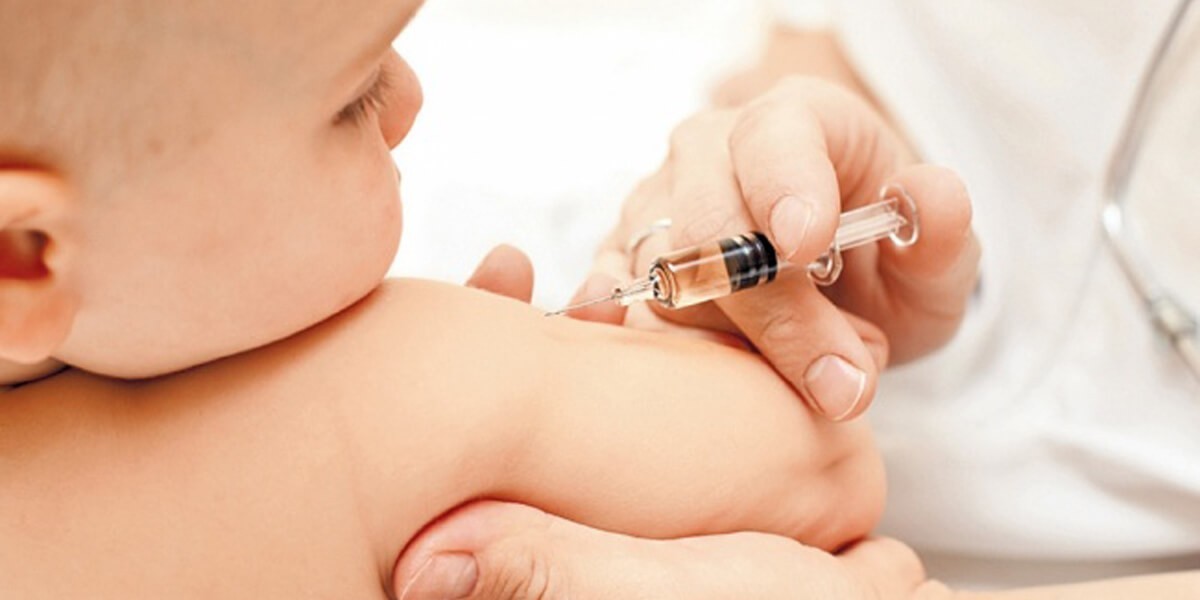
Vaccines protect your baby from serious illnesses such as polio, measles, hepatitis, tuberculosis, whooping cough, and others. Babies get their first vaccines soon after birth, and more doses follow in the first few years, with some boosters later.
A few things to remember:
Mild fever, crying, or a sore, swollen spot on the leg or arm is common after a vaccine. It usually settles in a day or two.
A small cold or cough does not always mean the vaccine must be skipped. Ask your doctor.
Keep the vaccination card safe and carry it to every visit.
Do not give any medicine for fever after vaccination unless your doctor says so.
Delaying vaccines leaves your baby unprotected for longer, so try to follow the schedule given by your doctor.
What to Look for in a Vaccination Clinic
Not all clinics are the same, so check a few simple things before you choose a baby Vaccination Clinic in Delhi:
The clinic is clean, and a new needle is used for every child
Vaccines are stored properly and the expiry date is checked
The doctor explains which vaccine is due, why it is needed, and what side effects to expect
Your child’s record is written down clearly
You are told the date of the next dose
It is also fine to ask about vaccines that are optional. A good doctor will explain the benefits in plain words and let you decide in your own time.
Feeding Your Baby
For most babies, breast milk is enough for the first six months. After that, soft home-cooked foods can be added slowly, such as dal water, mashed khichdi, mashed banana, or suji porridge.
Some tips:
Add one new food at a time and wait a few days before the next
Watch for rashes, vomiting, or loose motions
Do not add salt, sugar, or honey in the early months
Never force-feed your baby
Every child eats differently. Do not compare your baby with your neighbour’s baby. If you are worried about weight gain or poor appetite, show your baby to the doctor.
Fever, Cold, and Loose Motions at Home
Small children fall sick often, especially once they start playschool. Most colds and mild fevers get better with rest, fluids, and simple care. Here is what can help:
Keep the baby in light clothes and in a comfortable room
Give breast milk or fluids often
For loose motions, ask your doctor about ORS and how much to give
Wash your hands before touching the baby
Please do not give antibiotics or other medicines on your own. Doses for children depend on their weight, and the wrong medicine can do harm.
Signs That Need a Doctor Right Away
Take your child to a doctor quickly if you see any of these:
Fever in a baby less than three months old
Fast or hard breathing
Vomiting again and again
Very few wet nappies, a dry mouth, or no tears when crying
Unusual sleepiness, or the baby is hard to wake
Blue or pale lips
A fit (seizure)
If your heart tells you something is wrong, trust it and get your child checked.
As Your Child Grows
After infancy, the questions change. Parents ask about picky eating, sleep habits, school infections, allergies, screen time, and growth. A Children Doctor in South Delhi who knows your child from the baby years can guide you through all these stages. Dr. Promilla Butani looks after babies and children, from growth checks and common illnesses to immunization, so parents have one place to turn to for most of their child’s health needs.
Simple Habits for a Healthy Child
Wash hands before meals and after using the toilet
Keep nails short and clean
Give fresh home-cooked food and enough water
Limit mobile and TV time
Make sure your child sleeps well and plays outdoors
Keep your child away from smoke and dust
Never skip check-ups or vaccine dates
Quick Questions Parents Ask
Is it normal for a newborn to wake up many times at night?
Yes. Newborns sleep in short parts and wake up for feeds. This improves with time.
My baby cries a lot in the evening. Is something wrong?
Some babies have colic, which usually gets better by three to four months. Burping after feeds and holding the baby upright may help. If the crying is non-stop or comes with fever or poor feeding, see a doctor.
Can I give home remedies?
Some are harmless, but others can be risky for babies. Always ask your doctor before trying anything new.
Final Words
Looking after a baby is not easy, and no parent knows everything. What helps most is regular check-ups, timely vaccines, and a doctor who listens and explains calmly. Ask questions without hesitation, because nothing about your child’s health is too small to ask about.







