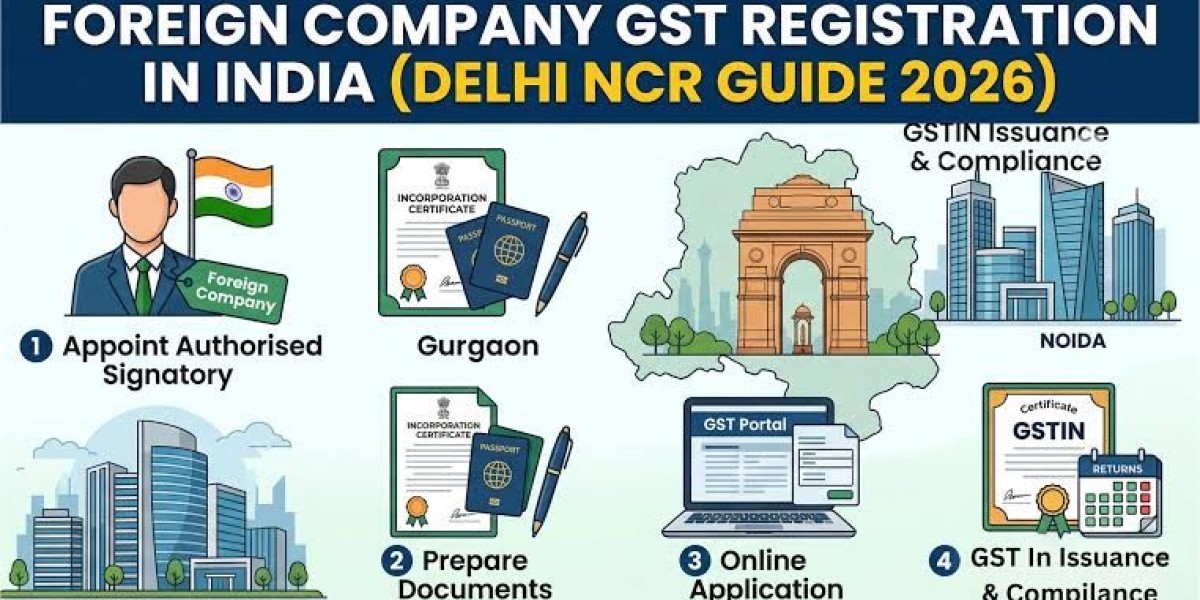

GST Registration is an essential compliance requirement for businesses that fall within the scope of India's Goods and Services Tax (GST) laws. Whether you are starting a new business, operating a private limited company, running a partnership firm, or working as a freelancer, preparing the correct documents is an important step toward completing the registration process smoothly.
The documents required for GST Registration depend on the business structure, ownership, principal place of business, and nature of activities. Incomplete documentation or incorrect information can lead to delays, clarification requests, or rejection of an application. Understanding the documentation requirements beforehand helps applicants prepare an accurate application and avoid unnecessary complications.
This article explains the key documents required for GST Registration in India, the requirements for different business structures, and practical tips for completing the process efficiently.
1. PAN Card Requirements for GST Registration
A Permanent Account Number (PAN) is one of the primary requirements for GST Registration. It helps establish the identity of the taxpayer and is used to verify the business's tax details.
The applicable PAN requirement depends on the legal structure of the business:
Proprietorship: PAN of the proprietor.
Partnership firm: PAN of the partnership firm.
Limited Liability Partnership (LLP): PAN of the LLP.
Private limited company: PAN of the company.
Public limited company: PAN of the company.
Other eligible entities: PAN of the relevant legal entity, where applicable.
Applicants should ensure that the PAN details entered in the application match the official records. Errors in the legal name or PAN can create verification issues during registration.
2. Aadhaar and Identity Proof of Business Owners
Identity verification is another important part of the GST Registration process. Aadhaar authentication may be applicable to proprietors, partners, directors, and authorised signatories, depending on the applicant's circumstances and the prescribed procedure.
Commonly relevant identity details include:
Aadhaar details, where applicable.
PAN details of proprietors, partners, or directors.
Identity and address information of the authorised signatory.
Photographs of proprietors, partners, or directors, where required.
Applicants should provide accurate information and complete any authentication or verification steps specified by the GST portal. The requirements may differ for foreign nationals, non-resident taxable persons, and certain other applicants.
3. Proof of Principal Place of Business
Proof of the principal place of business is a key document requirement for GST Registration. The address supplied in the application should reflect the location from which the business operates or maintains its principal business activities.
The supporting documents depend on whether the premises are owned, rented, leased, or used with permission.
For Owned Premises
Applicants may provide documents such as:
Electricity bill or another acceptable utility bill.
Property tax receipt.
Ownership document or other supporting proof, where required.
For Rented or Leased Premises
Commonly relevant documents include:
Valid rent or lease agreement.
Utility bill or other acceptable address proof.
Additional supporting evidence requested under the applicable procedure.
For Shared or Consent-Based Premises
Where the premises are shared or used with the owner's permission, applicants may need a consent letter and supporting proof of ownership or occupancy.
The documents should clearly support the address mentioned in the application. Applicants should review the applicable GST portal requirements before submitting them.
4. Documents Required for GST Registration for a Proprietorship
A sole proprietorship is owned and managed by an individual. Since the proprietorship does not have a separate legal identity in the same way as an incorporated company, the proprietor's PAN is generally used for GST Registration.
The commonly required documents include:
PAN card of the proprietor.
Aadhaar and identity details, where applicable.
Photograph of the proprietor, where required.
Proof of the principal place of business.
Bank account details or supporting evidence, as applicable.
Business activity details and other information requested by the portal.
The proprietor should ensure that the business name, trade name, and address are entered correctly. The name used for commercial activities may differ from the proprietor's legal name.
5. Documents Required for Partnership Firms and LLPs
Partnership firms and Limited Liability Partnerships must provide documents that establish their legal constitution and identify the persons responsible for managing the business.
For a partnership firm, the documents may include:
PAN card of the partnership firm.
Partnership deed.
Details and identity information of partners.
Photograph and details of the authorised signatory, where required.
Proof of the principal place of business.
Authorisation documents, where applicable.
For an LLP, the application may require:
PAN card of the LLP.
Certificate of incorporation.
Details of designated partners.
Proof of business address.
Authorisation for the person signing the application.
Other supporting information required by the GST portal.
Applicants should ensure that the information provided is consistent with the entity's official records.
6. Documents Required for Private Limited Company GST Registration
A private limited company must submit documents establishing its incorporation, business address, and authorised representation.
The commonly required documents include:
PAN card of the company.
Certificate of incorporation.
Details of directors and authorised signatory.
Photograph and identity details of the authorised signatory, where required.
Proof of the principal place of business.
Board resolution or letter of authorisation, where applicable.
Bank account details and supporting evidence, as required.
The company should verify that its legal name and PAN match its incorporation records. The authorised signatory must also have the appropriate authority to complete the application and verification process.
7. Documents Required for GST Registration for Foreign Companies
Foreign companies operating or making taxable supplies in India should carefully assess their GST Registration requirements. The applicable procedure depends on their business model, taxpayer category, and the nature of the supplies.
Depending on the circumstances, supporting documents may include:
Overseas incorporation certificate or equivalent registration evidence.
PAN or other tax identification details, where applicable.
Proof of the Indian business address, if relevant to the registration category.
Details of an authorised representative in India, where required.
Passport or identity documents of the authorised person, where applicable.
Details of the business activities and intended supplies.
Additional documents prescribed for non-resident taxable persons.
Non-resident taxable persons may be subject to specific registration procedures, including advance tax deposit requirements. Foreign businesses should confirm the applicable requirements before commencing taxable activities in India.
8. Bank Account Details for GST Registration
Bank account information is used to support the business's financial identification and compliance records. Depending on the applicable process, bank details may be requested during the initial application or subsequently.
Relevant documents may include a cancelled cheque, bank statement, or the first page of a passbook showing the account holder's name, account number, and other required information.
Applicants should ensure that the details correspond to the business or taxpayer as required under the applicable rules. They should also follow the current GST portal instructions regarding the timing and method of submitting bank account information.
9. How to Upload Documents on the GST Portal
Once the necessary documents have been collected, applicants can proceed with the online application.
The general process involves the following steps:
Visit the official GST portal at www.gst.gov.in.
Select Services, followed by Registration and New Registration.
Enter the required preliminary information and verify the contact details.
Use the Temporary Reference Number (TRN) to access the application.
Complete the business, promoter, authorised signatory, and address sections.
Upload the documents in the prescribed format and within the applicable file-size limits.
Review the application carefully and complete the required verification.
Submit the application and track its status using the relevant reference number.
Applicants should upload clear, readable documents and check that each file supports the information entered in the relevant field.
10. Common Documentation Mistakes to Avoid
Businesses can reduce registration delays by avoiding frequent documentation errors.
Common mistakes include uploading unclear documents, providing an incorrect business address, submitting an invalid rent agreement, entering the wrong PAN, and failing to provide authorisation for the signatory.
Applicants should also avoid using inconsistent names across supporting documents and the application. Before submission, review every field and ensure that the uploaded evidence is current, legible, and relevant.
If the GST department requests clarification, respond within the prescribed period and provide the required supporting information.
11. How a GST Registration Consultant Can Help
A professional GST Registration consultant can help businesses identify the correct documentation requirements based on their legal structure and activities. Professional assistance can be particularly useful for companies with multiple directors, foreign businesses, non-resident taxable persons, and businesses operating from shared premises.
Consultants may assist with document verification, application preparation, online submission, status tracking, and responses to departmental queries. They can also explain ongoing GST obligations, including invoice requirements, return filing, and eligible input tax credit.
Before appointing a consultant, businesses should confirm the service scope, professional fees, expected timelines, and any ongoing compliance support included in the engagement.
Conclusion
Preparing the correct documents is a crucial step in obtaining GST Registration in India. PAN details, identity information, business address proof, entity-specific records, and authorised signatory documents form the foundation of a complete application. The precise requirements depend on the business structure and applicable GST provisions.
Businesses should verify their documents carefully, follow the latest instructions on the official GST portal, and respond promptly to any requests for additional information. If you need help with GST Registration, documentation review, or ongoing tax compliance, consider engaging an experienced professional service provider. Expert guidance can help streamline the application process and support accurate, timely compliance as your business grows.







