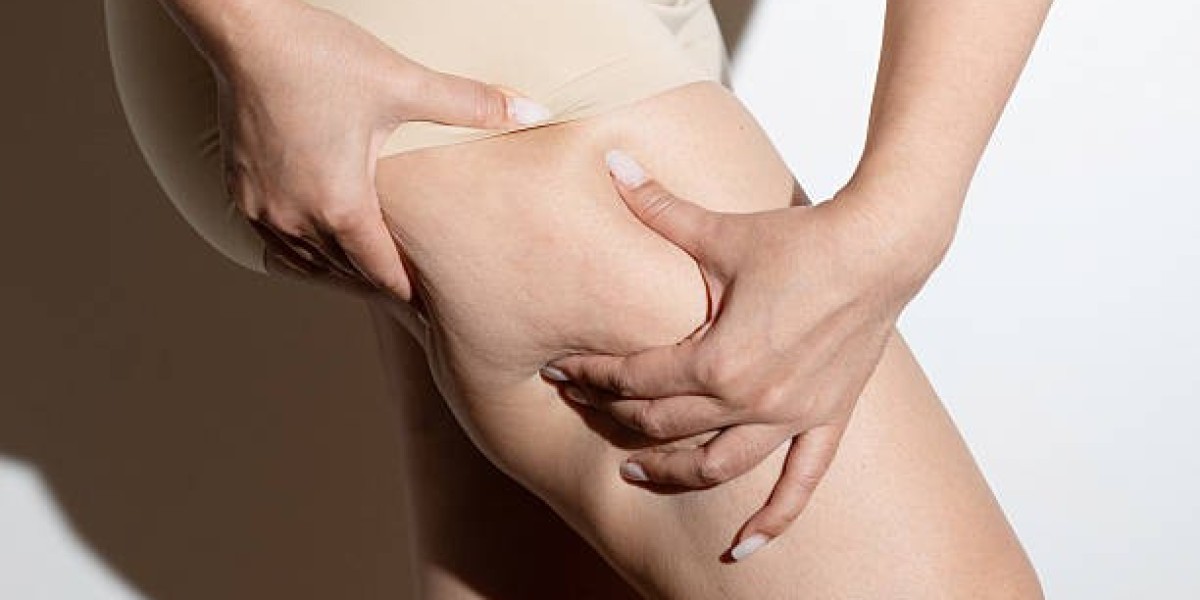

Lipedema is a chronic condition that affects the distribution of fat beneath the skin, most commonly around the hips, thighs, buttocks, and lower legs. Recognizing the condition can be challenging because its symptoms may resemble ordinary weight gain, lymphedema, or other causes of limb enlargement. An accurate diagnosis helps patients understand their symptoms and explore appropriate management options. For individuals researching Treatment for Lipedema in Riyadh (الوذمة الشحمية), understanding how clinicians assess the condition is an important first step toward developing a personalized care plan that addresses discomfort, mobility, and overall quality of life.
What Is Lipedema?
Lipedema is characterized by an abnormal accumulation of subcutaneous fat, often affecting both legs in a relatively symmetrical pattern. The arms may also be involved, while the hands and feet are commonly spared. Some people experience tenderness, easy bruising, heaviness, or discomfort in the affected areas.
The condition most frequently affects women and may become noticeable during hormonal transitions such as puberty, pregnancy, or menopause. However, its precise cause remains uncertain, and symptoms vary between individuals.
Lipedema is not simply a consequence of overeating or inactivity. People may notice disproportionate changes in their limbs despite maintaining healthy habits. Because other conditions can produce similar symptoms, professional assessment is essential before deciding on treatment.
How Is Lipedema Diagnosed?
There is no single blood test or imaging examination that confirms every case of lipedema. Diagnosis generally relies on a detailed medical history, physical examination, and assessment of symptoms. Additional investigations may be recommended when the clinician needs to rule out other conditions.
Reviewing Medical History
The assessment often begins with questions about when the symptoms first appeared and how they have changed over time. The clinician may ask about pain, tenderness, bruising, swelling, family history, and any relationship between symptoms and hormonal changes.
Information about previous diagnoses, medications, medical conditions, and changes in body weight may also help clarify the situation. A family history of similar symptoms can be relevant because lipedema sometimes occurs among relatives.
Physical Examination
During the examination, the clinician evaluates the distribution of fat, the symmetry of the affected limbs, skin characteristics, tenderness, and signs of swelling. They may assess whether the feet and hands are involved and whether the symptoms fit the typical pattern of lipedema.
Measurements of limb circumference may be taken to document the extent of enlargement and monitor changes over time. However, measurements alone cannot establish the diagnosis.
A careful examination also helps identify signs that may suggest another condition, such as venous disease or lymphedema.
What Symptoms Help Clinicians Identify Lipedema?
Several features may support a diagnosis when considered together, although no single symptom is sufficient to confirm the condition.
Symmetrical Fat Accumulation
Lipedema commonly affects both legs in a similar pattern, particularly around the hips, thighs, and lower legs. The degree of enlargement may differ between sides, but the overall distribution is often symmetrical.
Tenderness and Pain
The affected tissue may be sensitive to pressure or touch. Some people experience discomfort during everyday movement, while others have little or no pain.
Easy Bruising
Frequent bruising after minor contact can occur in people with lipedema. However, bruising has many possible causes, so the clinician considers it alongside other findings.
Relative Sparing of the Feet
The feet are often less affected than the legs, sometimes creating a visible transition around the ankles. This pattern may help distinguish lipedema from certain other conditions, but it is not definitive on its own.
Are Tests Needed to Confirm Lipedema?
In many cases, a clinical assessment provides the main basis for diagnosis. Tests are generally used to investigate other possible explanations for the symptoms or identify additional conditions.
Ultrasound
Ultrasound may be used to assess soft tissues or examine blood vessels when venous disease or another cause of swelling is suspected. It does not independently confirm every case of lipedema.
Lymphatic Assessment
If the clinician suspects impaired lymphatic drainage, additional assessment may be considered. This can help distinguish lipedema from lymphedema or identify situations in which both conditions are present.
Other Investigations
Blood tests or other imaging studies may be recommended when the medical history or examination suggests another health problem. These investigations are selected according to the patient's symptoms rather than being required for everyone.
People exploring Treatment for Lipedema in Riyadh should understand that a responsible assessment focuses on identifying the underlying condition rather than recommending a procedure based only on the appearance of the limbs.
How Is Lipedema Different From Lymphedema and Obesity?
Lipedema, lymphedema, and obesity can sometimes occur together, but they are not the same condition.
Lipedema primarily involves an abnormal distribution of subcutaneous fat, often with symmetrical enlargement, tenderness, and easy bruising.
Lymphedema develops when lymphatic fluid drainage is impaired, causing fluid to accumulate in tissues. It may affect one or both limbs and can involve the feet and toes.
Obesity involves excess body fat that can be distributed across different areas of the body. It may coexist with lipedema, but obesity alone does not explain every pattern of painful, disproportionate limb enlargement.
Distinguishing these conditions matters because their management approaches can differ. Some individuals have more than one condition, requiring a coordinated care plan.
What Happens After a Lipedema Diagnosis?
Once lipedema is suspected or diagnosed, the next step is to determine how the symptoms affect the person's daily life and which management options may be appropriate.
Conservative Management
Treatment may include appropriately fitted compression garments, low-impact exercise, movement strategies, and specialist-directed therapies when indicated. These approaches may help manage discomfort, support mobility, or address swelling, but they do not necessarily remove lipedema-related fat.
Balanced nutrition and sustainable weight management can support overall health, particularly when other weight-related conditions are present. However, lifestyle changes alone may not eliminate the affected tissue.
Specialized Surgical Options
For selected patients with persistent symptoms, specialized liposuction techniques may be considered following a thorough assessment. The aim is to reduce affected fat tissue and potentially improve pain, mobility, or limb contour.
Surgery is not necessary for every patient and does not guarantee complete symptom relief. The decision should take into account medical history, symptom severity, potential risks, recovery requirements, and the experience of the treating surgeon.
A personalized Treatment for Lipedema in Riyadh plan should explain the expected benefits, limitations, and available alternatives before any intervention is considered.
How Can Patients Prepare for an Assessment?
Preparing for an appointment can help make the consultation more productive. Patients may find it useful to:
Record when the symptoms began and whether they have changed over time.
Note areas affected by pain, tenderness, swelling, or bruising.
Bring a list of medications, supplements, and relevant medical conditions.
Mention whether relatives have experienced similar symptoms.
Prepare questions about diagnosis, conservative care, surgical options, and follow-up.
It is also helpful to discuss how symptoms affect walking, exercise, work, clothing choices, and daily activities. This information can guide the clinician in developing a care plan that addresses practical needs as well as physical symptoms.
Conclusion
Diagnosing lipedema usually involves a detailed medical history, physical examination, and selected tests to rule out other conditions. Recognizing the characteristic pattern of fat distribution, tenderness, bruising, and limb enlargement can help guide assessment, but professional evaluation is necessary for an appropriate diagnosis. For personalized guidance, arrange a consultation with Royal Clinic Saudia (عيادات رويال كلينك) to discuss your symptoms and learn whether further assessment or suitable management options may be appropriate for your individual needs.







