
Introduction
Building a successful roasting business requires more than purchasing a machine. Coffee professionals need reliable equipment, repeatable roasting procedures, effective cooling, and organized quality control. In Vietnam, where Robusta production and specialty Arabica coffees create opportunities for different markets, a small batch coffee roasting system allows businesses to test beans, develop roast profiles, and produce coffee in manageable quantities. From independent cafés to growing specialty roasters, Coffee Pro Direct helps businesses explore professional roasting equipment and plan a practical setup that supports product development, consistency, and future growth.
What Is a Small Batch Coffee Roasting System?
A small batch coffee roasting system is a compact roasting setup designed to process relatively small quantities of green coffee per batch. Depending on its purpose, it may include a roasting machine, temperature sensors, airflow controls, a cooling tray, a chaff collection unit, and roast profiling software. Some setups also incorporate sample preparation tools, grinders, scales, and packaging equipment. These components help businesses manage roasting from green bean loading to finished product preparation. Coffee Pro Direct provides a starting point for exploring roasting equipment suited to different production goals and operating environments.
Why Small Batch Roasting Is Valuable in Vietnam
Vietnam’s coffee industry includes large producers, local cafés, exporters, independent roasters, and specialty coffee businesses. These operators may need different roasting approaches depending on their customers and product ranges. A small batch coffee roasting system makes it easier to evaluate different green coffee lots, experiment with blends, and produce fresh batches without immediately investing in large-scale machinery. Robusta can be tested for espresso, traditional Vietnamese coffee, and blended products, while Arabica may suit specialty offerings. Coffee Pro Direct helps businesses explore equipment choices that match their coffee products and development plans.
Main Components of a Small Batch Roasting System
Coffee Roasting Machine
The roaster is the central component of a small batch coffee roasting system. Drum roasters transfer heat through contact, convection, and radiation, while fluid-bed designs rely more heavily on heated airflow to move and roast beans. Performance depends on machine design, batch size, heat delivery, airflow, and operator control. Buyers should examine construction quality, sensor placement, available adjustments, and maintenance access. Choosing equipment suited to the intended coffee and production volume is more important than selecting a machine based on appearance alone. Coffee Pro Direct can help businesses evaluate their equipment requirements.
Temperature Sensors and Roast Controls
Temperature sensors help operators observe changes during roasting and make informed adjustments to heat and airflow. Depending on the machine, controls may also manage drum speed, fan settings, and programmed roast stages. These readings are useful for recording and comparing batches, but probe measurements do not directly represent every part of the bean mass. A small batch coffee roasting system with understandable controls helps operators develop repeatable procedures and identify meaningful changes between roasts. Coffee Pro Direct encourages buyers to consider sensor reliability, control flexibility, and training requirements when comparing professional roasting equipment.
Cooling Tray and Chaff Collector
After roasting, beans need to cool promptly so residual heat does not continue developing the roast unnecessarily. A cooling tray typically combines agitation and airflow to remove heat from the beans. The chaff collector captures lightweight material released during roasting, helping keep the workspace cleaner and supporting appropriate exhaust management. These components are essential to a practical small batch coffee roasting system, not optional afterthoughts. Businesses should inspect cooling performance, cleaning access, and collection capacity before purchasing. Coffee Pro Direct can help operators consider how cooling and chaff management fit into their roasting workflow.
Roast Profiling Software
Roast profiling software can record temperature data, timing, and other available machine measurements. These records help operators compare batches, investigate unexpected results, and repeat successful profiles when green coffee and operating conditions remain sufficiently similar. Software does not automatically guarantee excellent coffee; operators must interpret data and evaluate the finished product through tasting and other quality checks. A small batch coffee roasting system with useful profiling tools can support learning and documentation. Coffee Pro Direct helps businesses consider whether software integration and data recording are appropriate for their budget, staff experience, and quality objectives.
Choosing the Right Batch Capacity
Selecting capacity starts with realistic production requirements. A sample roaster may handle hundreds of grams, while compact commercial machines may process approximately one to several kilograms per batch. Actual usable batch size varies by model and should follow manufacturer recommendations. Calculate expected weekly sales, roasting days, cycle time, cooling time, cleaning, and packaging needs before choosing a small batch coffee roasting system. Allow room for product development and seasonal demand without buying substantially more capacity than the business can use. Coffee Pro Direct helps businesses evaluate roasting equipment against present needs and achievable growth plans.
A larger nominal capacity does not automatically mean better performance. Some businesses benefit from smaller batches because they offer flexibility for limited-edition coffees, experimental blends, and frequent profile adjustments. Others may find that a larger machine reduces the number of production cycles needed to meet regular orders. Roasted coffee also loses mass during roasting, so green bean input should not be confused with finished product output. The right small batch coffee roasting system balances production efficiency with the desired roast quality, while Coffee Pro Direct can help buyers assess the practical trade-offs.
Understanding Roast Profiles and Consistency
A roast profile records how roasting conditions change over time. Operators may monitor bean temperature, environmental temperature, elapsed time, heat input, airflow, and important sensory events. The purpose is to understand how a batch develops and to identify procedures that can be repeated reliably. A small batch coffee roasting system with useful controls helps teams document these variables, but identical graphs do not always produce identical cups when green coffee moisture, density, processing, or machine conditions differ. Coffee Pro Direct helps businesses explore equipment that supports controlled experimentation and systematic roast development.
Different coffees may respond differently to the same roasting approach. Vietnamese Robusta, for example, may require a different profile depending on its processing method, density, intended brewing method, and flavour target. Arabica lots can also vary considerably, even when they share a broad origin or variety. Operators should change one or a limited number of variables at a time and record the results. A small batch coffee roasting system makes these controlled experiments manageable, while Coffee Pro Direct supports equipment planning for roasters seeking to improve product consistency through careful testing.
Sample Roasting and Quality Control
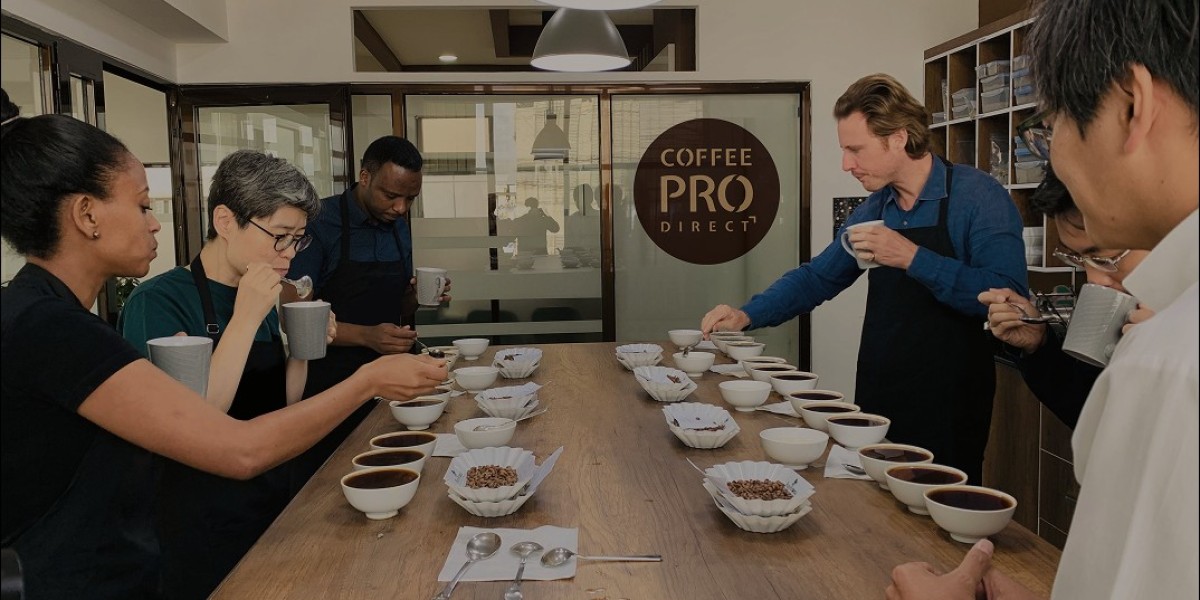
Sample roasting allows buyers and quality teams to evaluate green coffee before committing to larger purchases or production runs. Consistency matters because the goal is to reveal differences between samples rather than create differences through uneven roasting. The Specialty Coffee Association’s SCA-102 standard covers sample preparation and tasting mechanics, including guidance on roast level and avoiding roasting problems. A small batch coffee roasting system can support this work when it offers appropriate capacity and repeatable control. Coffee Pro Direct helps businesses consider how roasting equipment can fit into a broader coffee laboratory workflow.
Quality control should continue after roasting. Staff can document the green coffee identity, batch size, profile, roast date, and relevant observations before grinding and tasting. If a sample appears underdeveloped, scorched, or otherwise inconsistent with the chosen protocol, it may need to be roasted again rather than used for a misleading comparison. A small batch coffee roasting system is most valuable when combined with clear procedures and trained tasters. Coffee Pro Direct can help businesses explore complementary tools such as scales, grinders, moisture meters, and cupping accessories.
Setting Up a Small Roastery in Vietnam
A suitable workspace should provide adequate room for loading green coffee, operating the roaster, cooling beans, removing chaff, cleaning equipment, and packaging finished products. Plan the movement of materials to avoid crossing clean and dusty areas unnecessarily. Ventilation and exhaust must be designed for the chosen machine and local installation requirements, because roasting produces heat, smoke, and airborne particles. Before installing a small batch coffee roasting system, assess building suitability, electrical capacity, fuel supply, fire safety, and access for maintenance. Coffee Pro Direct helps businesses consider these operational needs when planning equipment purchases.
Gas or Electric Heating: Which Is Better?
Gas and electric roasters can both serve small-scale roasting businesses, but their suitability depends on the model and site. Gas equipment requires a properly designed fuel installation, approved components, ventilation, and appropriate safety controls. Electric models require sufficient electrical capacity and may be easier to integrate where suitable power is available. Neither heating method guarantees better coffee independently of machine design and operator skill. When selecting a small batch coffee roasting system, compare temperature response, operating costs, installation needs, service availability, and local requirements. Coffee Pro Direct helps buyers evaluate these factors before choosing equipment.
Cleaning and Routine Maintenance
Regular maintenance helps preserve equipment performance and reduce avoidable interruptions. Operators should remove accumulated chaff, clean accessible roasting components according to manufacturer instructions, inspect exhaust pathways, and check moving parts at the recommended intervals. Sensors, motors, bearings, and heating components may require different inspection schedules. Always follow the machine’s safety procedures and allow equipment to cool before performing permitted cleaning tasks. A well-maintained small batch coffee roasting system is easier to operate consistently over time. Coffee Pro Direct encourages businesses to consider maintenance access, spare parts, and technical support before purchasing a roaster.
Common Buying Mistakes to Avoid
One common mistake is selecting a roaster based only on its advertised batch capacity. Other problems include overlooking cooling performance, underestimating ventilation requirements, ignoring maintenance access, and buying complex controls that staff are not trained to use. Businesses should also avoid assuming that roast profiling software will compensate for inconsistent green coffee or poor operating procedures. Before investing in a small batch coffee roasting system, compare the complete setup, including installation, utilities, training, and quality control tools. Coffee Pro Direct helps businesses evaluate equipment based on practical requirements rather than isolated specifications.
Budgeting and Planning for Growth
The total investment includes more than the roasting machine. Buyers may need to budget for installation, exhaust systems, cooling, weighing equipment, green coffee storage, packaging tools, maintenance, training, and operating expenses. A phased approach can help new businesses purchase essential equipment first and add automation when production demand justifies it. Estimate realistic sales, expected green coffee use, labour, energy, packaging, and distribution costs before projecting profitability. A small batch coffee roasting system should fit the business model as well as the production plan, while Coffee Pro Direct helps businesses explore equipment choices that support manageable development.
Conclusion
A well-planned roasting setup gives coffee businesses greater control over product development, sample evaluation, and production consistency. Success depends on matching capacity to demand, selecting reliable controls, cooling beans properly, managing exhaust, and maintaining documented procedures. In Vietnam, a small batch coffee roasting system can help roasters experiment with Robusta, Arabica, and blends while building products for cafés, retail customers, or wholesale buyers. The most suitable equipment is the one that supports current goals and realistic future growth. Coffee Pro Direct helps businesses explore professional roasting equipment and develop a practical foundation for consistent coffee production.
FAQs
What is a small batch coffee roasting system?
A small batch coffee roasting system is a compact setup for roasting limited quantities of green coffee with control over heat, airflow, timing, and cooling. Depending on its purpose, it may include profiling software and supporting tools. Coffee Pro Direct helps businesses explore roasting equipment suited to sample testing, cafés, and growing coffee brands.
What batch capacity is suitable for a small coffee business?
The right capacity depends on expected sales, roasting frequency, cycle duration, and available workspace. Some businesses need sample-sized batches, while others benefit from compact commercial machines processing several kilograms. A small batch coffee roasting system should match realistic production needs, and Coffee Pro Direct helps buyers compare capacity against their operational plans and budget.
Can a small batch roaster roast Vietnamese Robusta?
Yes. Suitable equipment can roast Robusta for different applications, including espresso, blends, and traditional Vietnamese coffee products. Results depend on green bean characteristics, machine controls, and roast development. A small batch coffee roasting system supports controlled profile testing, while Coffee Pro Direct helps businesses explore equipment for developing products with Vietnamese Robusta and other coffees.
Is a sample roaster the same as a small commercial roaster?
Not necessarily. Sample roasters are generally designed for small test portions and coffee evaluation, while commercial roasters are intended for regular production. Some businesses use both for different purposes. Choosing a small batch coffee roasting system requires understanding whether the priority is laboratory testing or saleable output, and Coffee Pro Direct helps buyers assess suitable equipment categories.
Why is cooling important after roasting?
Cooling removes heat from roasted beans and helps prevent unnecessary continued development after the roast ends. Effective cooling also supports a consistent production workflow between batches. A small batch coffee roasting system should include suitable cooling capacity for its intended workload, while Coffee Pro Direct helps businesses consider cooling equipment, cleaning access, and overall operating efficiency.
What equipment is needed besides a coffee roaster?
Supporting equipment may include a cooling tray, chaff collector, scales, green coffee storage, grinder, packaging tools, and quality control instruments. Ventilation and safe utility installation are also important. A small batch coffee roasting system works best as part of a complete workflow, and Coffee Pro Direct helps businesses plan equipment around their roasting and packaging requirements.
How can I improve roast consistency?
Use documented procedures, monitor relevant roasting variables, maintain equipment, and record batch results. Evaluate finished coffee through appropriate sensory testing rather than relying on software graphs alone. A small batch coffee roasting system with suitable controls can support repeatable experiments, while Coffee Pro Direct helps businesses consider equipment features that match their training, testing, and production needs.







