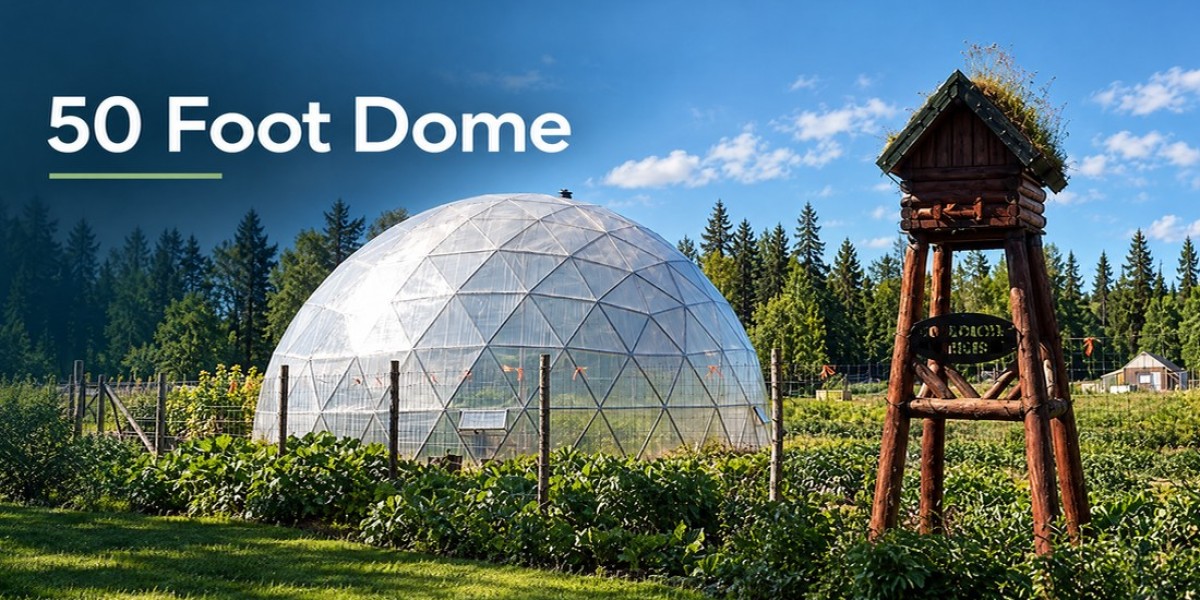

Planning harvest cycles helps growers maintain a steady supply of produce, organize labor, and make better use of their growing space. A 50 foot commercial greenhouse can support different crops and planting schedules, but successful production depends on coordinating sowing dates, crop maturity, harvesting, and bed preparation. A clear plan makes it easier to anticipate workloads and avoid having too much or too little produce ready at the same time.
1. Select Crops Based on Their Harvest Timelines
Start by choosing crops that suit your growing conditions, available resources, and intended market. Different vegetables mature at different rates, so combining crops with short, medium, and longer production cycles can create a more balanced harvest schedule.
Leafy greens and some herbs may provide relatively quick harvests, while fruiting crops such as tomatoes and peppers can produce over an extended period. Check the expected maturity time for each variety and account for differences caused by temperature, light, and cultivation methods.
Before planting, decide which crops are the priority and estimate when each one should become ready. This gives you a foundation for scheduling successive plantings and distributing work throughout the season.
2. Create a Planting and Harvest Calendar
A calendar connects planting dates with expected harvest periods. Record when seeds are started, when seedlings are transplanted, and when each crop is likely to produce marketable yields.
Include extra time for germination, transplant recovery, and slower growth during less favorable conditions. Treat maturity dates as estimates rather than guaranteed deadlines.
For a 50 foot commercial greenhouse, a digital spreadsheet or wall calendar can help organize multiple growing beds. Use separate entries for each crop or planting batch so that harvest windows remain easy to track.
Review the calendar weekly and update it as plants develop. These adjustments make future estimates more accurate and help growers prepare labor and supplies ahead of time.
3. Use Succession Planting to Maintain Supply
Succession planting involves sowing or transplanting crops in planned intervals rather than planting the entire area at once. This can spread production across several weeks and reduce the likelihood of a single oversized harvest.
For example, a grower producing leafy greens might divide the available bed space into sections and plant each section on a different date. As one batch approaches harvest, another can continue developing.
The appropriate interval depends on the crop's growth rate, market demand, and available space. Planting too frequently can create an oversupply, while overly long intervals may leave gaps in production.
Start with a manageable number of batches, record the results, and refine the timing based on actual harvest quantities.
4. Allocate Greenhouse Space According to Crop Stages
A productive layout accounts for seedlings, developing plants, mature crops, and recently harvested beds. Keeping track of these stages helps prevent space from becoming unavailable when the next planting is ready.
Group crops according to their light, temperature, irrigation, and spacing requirements. Leave enough room for workers to reach plants without damaging leaves, stems, or developing produce.
Avoid filling every available section without considering access and crop maintenance. Walkways, staging areas, and space for moving harvested produce can improve workflow during busy periods.
A simple greenhouse map showing crop locations and planting dates can make it easier to see which beds will become available next.
5. Estimate Expected Yield and Market Demand
Harvest planning should reflect how much produce you can realistically sell or use. Research customer demand, review previous sales records where available, and estimate the likely yield per bed or planting batch.
Yield estimates vary according to crop variety, plant density, growing conditions, and management practices. Use conservative figures when planning an unfamiliar crop, then update your projections after the first harvest.
A 50 foot commercial greenhouse may accommodate several production zones, but the best planting mix depends on the available growing area and the quantity of each crop that customers need.
Compare expected production with demand before scheduling additional batches. This can reduce waste and help keep harvesting activity aligned with practical business requirements.
6. Prepare Labor and Equipment Before Harvest
Harvesting often requires more than picking produce. Workers may need to sort, weigh, clean, package, label, and move crops to storage or distribution areas.
Estimate the labor needed for each crop and schedule workers around the expected harvest window. Check that harvesting tools, containers, packaging materials, and weighing equipment are ready before produce reaches maturity.
Different crops may require different handling methods. Delicate leafy greens, for instance, can be damaged by rough handling, while larger vegetables may need stronger containers.
Organizing these tasks in advance helps prevent delays and protects product quality when several crops are ready at once.
7. Prepare Beds for the Next Production Cycle
The end of a harvest is also an opportunity to prepare for the next planting. Remove spent plants and debris, inspect the beds, and address any pest or disease concerns before introducing another crop.
Assess soil condition and replenish nutrients based on crop requirements and soil test results. Check irrigation lines and supports while the area is accessible, and make repairs before planting begins.
Where suitable, rotate crops to vary nutrient demands and help manage certain pests and diseases. Avoid planting a new batch until the growing area is ready to support it.
Efficient turnover reduces the time that productive space remains unused and helps keep the overall harvest schedule on track.
8. Review Harvest Results and Adjust Future Cycles
At the end of each harvest, compare the actual results with your original plan. Record harvest dates, total quantities, labor requirements, product quality, and any periods when supply was higher or lower than expected.
If a crop matured later than anticipated, investigate possible causes such as temperature, irrigation, light, or variety selection. If too much produce was ready simultaneously, consider smaller batches or longer planting intervals next time.
These records become increasingly valuable over several growing cycles. They help growers make decisions using their own production history rather than relying entirely on general maturity estimates.
Growers planning a production setup can review the options available from Dome Greenhouses and consider how their growing structure, crop choices, and harvest schedule can work together.
Final Thoughts
Effective harvest-cycle planning brings planting, crop development, labor, and sales expectations into one coordinated system. Crop selection, succession planting, accurate records, and timely bed preparation can help growers maintain a more consistent supply of produce.
A 50 foot commercial greenhouse can support an organized production schedule when its space and resources are planned carefully. Reviewing actual harvest results and adjusting future planting dates allows growers to improve efficiency and respond more effectively to changing demand.
Frequently Asked Questions
1. What is a harvest cycle in greenhouse production?
A harvest cycle is the period from planting or crop establishment through maturity and harvesting. Its length varies by crop, variety, and growing conditions.
2. How does succession planting improve harvest planning?
It spreads planting dates across multiple batches, which can distribute harvests over time and reduce the risk of producing too much at once.
3. How far in advance should greenhouse harvests be planned?
Start planning before sowing or transplanting. Estimate maturity dates, then update the schedule weekly as crops develop and conditions change.
4. Why should commercial growers record harvest quantities?
Records help compare expected and actual yields, estimate future supply, plan labor, and make planting decisions that better match market demand.
5. What should happen after a greenhouse crop is harvested?
Remove spent plants, inspect for pests and disease, assess soil needs, maintain equipment, and prepare the bed for the next suitable crop.