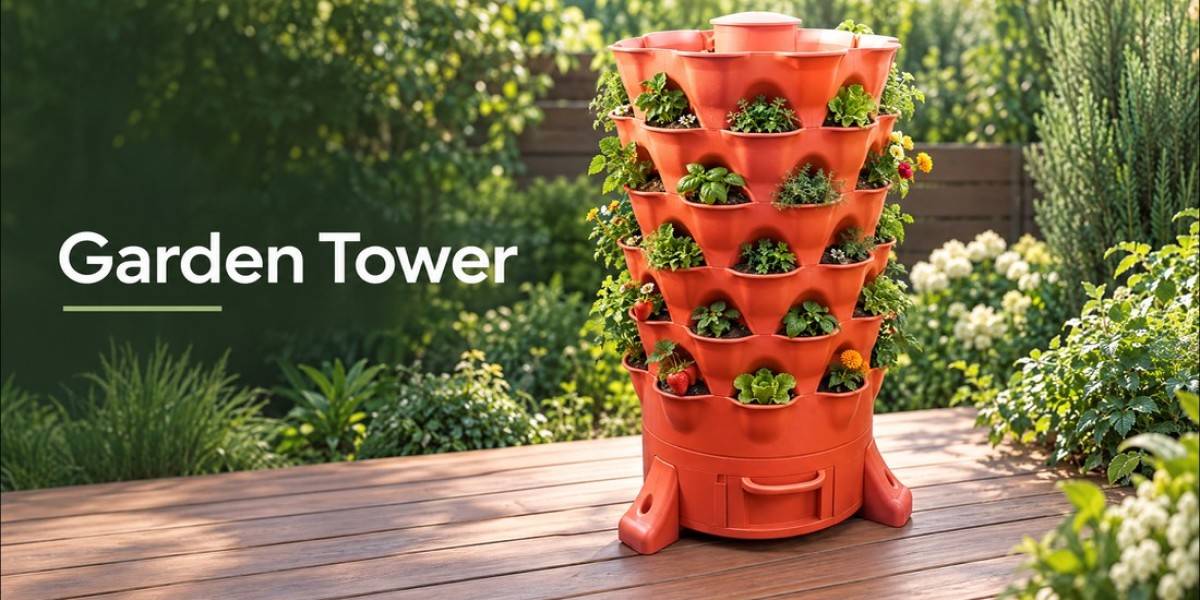

Healthy roots are essential for plants to absorb water, access nutrients, and produce strong leaves, flowers, and fruits. When using a garden tower for small spaces, root health deserves particular attention because plants share a compact growing structure rather than spreading across a traditional garden bed. Proper watering, suitable growing media, and regular maintenance can help roots develop without unnecessary stress. With a few practical habits, gardeners can make vertical growing more productive while keeping plants healthy throughout the season.
1. Choose a Suitable Growing Medium
The growing medium provides support, moisture, and air around plant roots. Ordinary garden soil may become too compact in a vertical container, restricting drainage and reducing the oxygen available to roots.
Choose a suitable potting mix designed for container gardening. A quality mix should retain enough moisture for plant growth while allowing excess water to drain. Depending on the plants being grown, the mix may contain materials such as compost, coco coir, or perlite.
Avoid using dense soil that forms hard clumps after watering. Over time, inspect the growing medium for compaction and replace or refresh it when necessary. A suitable mix creates a healthier root environment and makes watering easier to manage.
2. Maintain Consistent Moisture Levels
Roots need water, but excessive moisture can be just as harmful as dry conditions. Waterlogged growing media can limit oxygen around roots and encourage root rot, while prolonged dryness can cause roots to lose their ability to absorb water effectively.
Check moisture at different levels of the tower because upper and lower planting pockets may dry at different rates. Warm weather, direct sunlight, and plant size can all affect how quickly the medium loses moisture.
Water when the growing medium begins to dry according to the needs of the plants. Apply water gradually so it reaches the root zone rather than running straight down the structure. Avoid following a rigid schedule without checking actual conditions.
3. Ensure Proper Drainage
Good drainage allows excess water to leave the growing medium while preserving enough moisture for plants. Without suitable drainage, water can accumulate around roots and interfere with normal growth.
Check that the tower's drainage openings are clear and functioning properly. During watering, observe whether water moves through the structure as expected. Persistent pooling, unpleasant odors, yellowing leaves, or soft roots may indicate excessive moisture.
Position the tower on a stable surface where drainage water can escape safely. If the structure collects runoff, clean the collection area regularly and avoid allowing plants to sit in standing water.
4. Select Plants With Compatible Root Needs
Different plants have different root systems and growing requirements. Herbs and leafy greens often suit compact vertical growing arrangements, while larger fruiting plants may need more room for root development.
Before planting, consider the mature size of each plant, its water requirements, and the amount of growing medium available in each pocket. Group plants with similar moisture preferences where possible.
Avoid overcrowding individual planting spaces. When roots become too crowded, plants may compete for water, nutrients, and oxygen. Prune foliage when appropriate and remove weak or unhealthy plants to maintain a manageable growing arrangement.
5. Supply Balanced Nutrients
Roots require nutrients to support healthy growth, but applying too much fertilizer can damage them. Excess salts may accumulate in container growing media and interfere with water uptake.
Use a fertilizer suitable for the plants being grown, following the product's application instructions. Compost can contribute organic matter and nutrients, but its nutrient content varies, so it should not automatically replace a balanced feeding plan.
Watch for changes in leaf color, growth rate, and plant vigor. These symptoms may indicate nutritional problems, although watering issues, pests, and unsuitable temperatures can cause similar signs. Adjust feeding based on plant needs rather than applying additional fertilizer whenever growth slows.
6. Prevent Root Crowding and Compaction
A vertical garden makes efficient use of limited floor space, but each planting pocket still has a finite volume. As plants mature, their roots may occupy much of the available growing medium.
Check plants regularly for signs of restricted growth, including unusually small leaves, rapid wilting, or reduced development despite suitable watering. These symptoms are not conclusive on their own, but they can indicate that the plant needs more space or a different growing arrangement.
Follow recommended spacing for each species and avoid placing several large plants in one pocket. If a plant outgrows its space, consider moving it to a larger container or replacing it with a more compact variety.
7. Protect Roots From Temperature Extremes
Roots can be affected by both excessive heat and cold. Containers may warm faster than garden soil under direct sunlight, while exposed growing media can cool quickly during cold weather.
Place the tower where it receives appropriate sunlight for the selected crops. In hot conditions, monitor moisture more frequently and consider partial shade if plants show signs of heat stress. Avoid placing the structure against surfaces that become excessively hot.
During colder weather, protect sensitive plants according to their temperature requirements. A sheltered location can reduce exposure to harsh conditions, but ensure that the plants still receive enough light and airflow.
8. Inspect Root Health During Routine Maintenance
Regular inspection helps gardeners identify problems before they affect the entire planting structure. Look for wilting, stunted growth, yellowing leaves, and persistent wetness in the growing medium.
When a plant appears unhealthy, check moisture, drainage, and visible signs of pests or disease before making changes. If root inspection is necessary, handle the plant carefully and avoid damaging healthy roots.
Remove dead leaves and plant debris from the tower. Clean reusable containers and tools between planting cycles, especially when disease has been suspected. These habits help maintain a cleaner growing environment and reduce the chance of recurring problems.
Gardeners comparing vertical growing options can review the products available from Dome Greenhouses when planning a setup that makes productive use of limited gardening space.
Final Thoughts
Healthy roots are the foundation of successful vertical gardening. Suitable growing media, careful watering, effective drainage, balanced nutrition, and appropriate plant spacing all contribute to better root development.
A garden tower for small spaces can support a productive selection of herbs, greens, and other suitable plants when each planting pocket receives the attention it needs. Regular checks and small adjustments help prevent common root problems and keep the growing structure manageable throughout the season.
Frequently Asked Questions
1. What growing medium is best for a vertical garden tower?
A lightweight container potting mix that balances moisture retention with drainage is generally suitable. Choose a mix that meets the needs of the plants you intend to grow.
2. How often should a garden tower be watered?
Watering frequency depends on weather, plant size, sunlight, and the growing medium. Check moisture at different levels of the tower instead of relying on a fixed schedule.
3. What are signs of unhealthy roots?
Persistent wilting, slow growth, yellowing leaves, unpleasant odors, and soft or dark roots can indicate root problems. Check drainage and moisture before deciding on treatment.
4. Can too much fertilizer damage plant roots?
Yes. Excess fertilizer can increase salt levels in the growing medium and damage roots. Follow product instructions and feed plants according to their requirements.
5. Which plants are suitable for a small vertical garden tower?
Compact herbs and leafy greens are often suitable choices. Other plants may also work if their mature size, root requirements, and watering needs match the tower's design.






