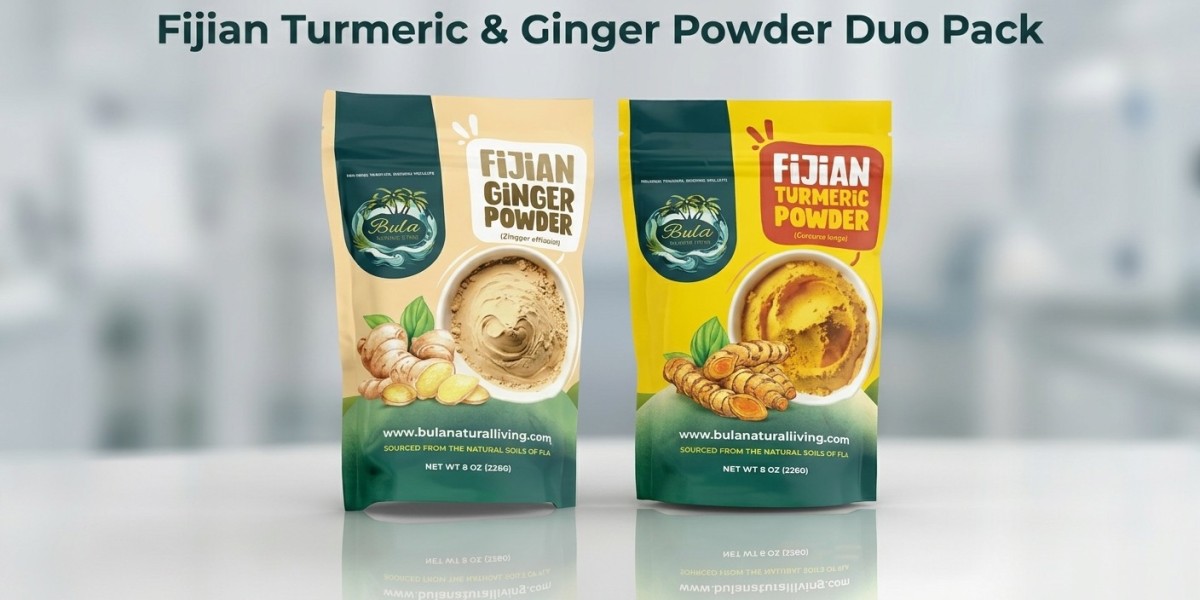

Keeping spices flavorful depends on more than buying fresh ingredients. Proper storage helps protect their aroma, color, and taste over time, making everyday cooking more enjoyable and reducing unnecessary waste. Products such as the daily wellness duo, which pairs Fijian Ginger Powder with Fijian Turmeric Powder, are good examples of pantry ingredients that benefit from simple storage habits.
Why Proper Spice Storage Matters
Ground spices have more exposed surface area than whole spices, so their aromatic compounds can gradually fade when they are exposed to air, heat, light, and moisture. Although a powder may remain usable for some time, its flavor can become less noticeable as it ages.
Good storage practices help preserve the qualities that make spices useful in everyday recipes. They also reduce the risk of moisture entering containers and causing clumping or spoilage.
Storage does not make a spice last indefinitely. Checking the product's best-before date, appearance, aroma, and packaging condition remains important.
Choose an Airtight Container
A well-sealed container helps limit exposure to air and humidity. Original packaging may be suitable if it can be resealed securely. Otherwise, a clean, dry, airtight container can help keep the powder protected between uses.
Glass, food-safe plastic, and suitable metal containers can all work when they close properly and are kept clean. Transparent containers should be stored away from direct light, while opaque containers offer an additional layer of protection from light exposure.
Avoid leaving spice packets open on the counter. Even brief exposure during cooking can allow steam or moisture to enter, particularly when the packet is held near a boiling pot.
Keep Powders Away From Heat
Heat can gradually affect the aroma and quality of ground spices. For this reason, the area directly above a stove or beside an oven is rarely the best long-term storage location.
Instead, choose a cool, dry cupboard away from cooking appliances, direct sunlight, and other sources of warmth. A pantry or closed kitchen cabinet often provides a more stable environment.
This is especially useful for powders that are used frequently. Storing them properly helps maintain their flavor between cooking sessions without requiring special equipment.
Protect Spices From Moisture
Moisture can cause powders to clump and may encourage spoilage if the conditions are suitable. Kitchens often contain steam from kettles, pots, and dishwashers, so choosing a dry storage area is important.
Always use a dry spoon when measuring spices. Avoid shaking powder directly over a steaming pot, as moisture can enter the container and affect the remaining contents.
If a powder develops unusual dampness, visible mold, an unexpected smell, or signs of contamination, do not use it. Follow the manufacturer's storage instructions and discard products that appear spoiled.
Store Ginger Powder Correctly
Ginger powder has a warm, distinctive aroma that works well in marinades, soups, sauces, baked goods, and selected drinks. Its flavor can become less pronounced when the powder is repeatedly exposed to air or stored near heat.
Keep ginger powder in a tightly closed container and use a dry spoon to measure it. Labeling the container with the opening date can also help you track how long it has been in use.
For the best flavor, add ginger in amounts suited to the recipe and check its aroma periodically. If it smells noticeably weaker than when first opened, it may no longer provide the same intensity.
Preserve the Color and Flavor of Turmeric Powder
Turmeric powder is known for its golden color and earthy taste. Exposure to light, air, and heat can gradually reduce its sensory quality, so it should be stored in a sealed container in a cool, dark place.
Turmeric can stain hands, utensils, and work surfaces. Use clean, dry measuring spoons and wipe away spills promptly to prevent discoloration.
Its color alone is not a reliable measure of freshness or quality. Consider the product's date, aroma, storage history, and any changes in appearance or texture when deciding whether it is still suitable to use.
Organize Your Spice Cupboard
A simple storage system can help keep powders fresh and make cooking more efficient. Group frequently used spices together, keep labels visible, and place older products where they are easy to use first.
A few practical habits can make a difference:
Write the opening date on each container.
Keep lids closed immediately after measuring.
Avoid transferring powders into containers that have not been cleaned and fully dried.
Buy quantities that match your usual cooking habits.
Check labels for any specific storage requirements.
These steps help reduce waste and prevent forgotten containers from remaining in the back of a cupboard for too long.
Choosing and Storing Ginger and Turmeric Together
Ginger and turmeric are often used together because their flavors complement each other in savory dishes and drinks. However, each powder should remain in its own sealed container rather than being mixed together for storage unless a recipe or product specifically calls for a blend.
The Daily Wellness Duo from Bula Natural Living pairs Fijian Ginger Powder with Fijian Turmeric Powder, offering two distinct pantry ingredients for different culinary uses. Store each product according to its label directions to help preserve its individual flavor and quality.
For more information about the available products, visit Bula Natural Living and review the ingredient details and storage instructions supplied with each item.
Final Thoughts
Properly storing spice powders is a simple way to protect their aroma, flavor, and usefulness in everyday cooking. Airtight containers, cool and dry storage, and clean measuring utensils can help reduce exposure to conditions that gradually affect quality.
Ginger and turmeric each have distinctive culinary uses, and storing them separately helps preserve their individual characteristics. By checking product dates and following label instructions, home cooks can make better use of their pantry ingredients while reducing avoidable waste.
FAQs
1. Where should spice powders be stored?
Store them in a cool, dry cupboard away from direct sunlight, steam, and heat-producing appliances.
2. Should ginger and turmeric powders be refrigerated?
Refrigeration is generally unnecessary for dry powders and can introduce condensation when containers are opened. Follow the manufacturer's specific storage instructions.
3. Why should spice containers be airtight?
Airtight containers limit exposure to air and humidity, helping preserve aroma and reduce the risk of moisture entering the powder.
4. Can old spice powder still be used?
A spice may lose flavor over time even if it shows no visible signs of spoilage. Check the date, aroma, appearance, and package condition, and discard anything contaminated or suspicious.
5. Can ginger and turmeric be stored in the same container?
Keeping them in separate containers is usually preferable because it preserves their individual flavors and allows each powder to be measured independently.







