
Cooking at home becomes more interesting when familiar ingredients are used in different ways. Traditional spices such as ginger and turmeric, along with everyday seasonings like sea salt, can change the flavor, aroma, and character of a meal without requiring complicated techniques. A well-planned kitchen essentials trio gives home cooks a practical starting point for adding variety to everyday dishes.
These ingredients appear in many culinary traditions, but their uses extend far beyond a single recipe or style of cooking. Understanding their individual characteristics can help you season food more confidently and make better use of pantry staples.
1. Understand the Distinct Flavor of Each Ingredient
Every seasoning contributes something different to a dish. Ginger has a warm, sharp flavor with a fresh, slightly citrus-like character. Turmeric brings an earthy taste and a distinctive golden color, while sea salt enhances the flavors already present in food.
Because these ingredients serve different purposes, they do not always need to be used together. Ginger can provide a noticeable flavor in soups and marinades, turmeric can add depth to rice and lentil dishes, and salt can help balance the overall seasoning.
Learning how each ingredient behaves makes it easier to adjust quantities according to the recipe rather than relying on fixed measurements.
2. Add Variety to Rice and Grain Dishes
Rice, quinoa, and other grains are useful foundations for experimenting with spices because their relatively mild flavors work well with different seasonings.
A small amount of turmeric can give rice a golden appearance and earthy character. Ginger can add warmth to rice prepared with vegetables, while sea salt helps bring the flavors together.
For a simple approach, add the spices during cooking so their flavors have time to blend with the grains. Begin with modest quantities and taste the dish before adding more seasoning. This is particularly helpful when preparing a large batch, where an excessive amount of one ingredient can be difficult to correct.
3. Use Traditional Spices in Soups and Stews
Soups and stews offer plenty of opportunities to combine familiar spices with vegetables, beans, lentils, and grains. Ginger can contribute a warming note, while turmeric works well in recipes that include ingredients such as carrots, potatoes, onions, or coconut milk.
Sea salt can be added gradually as the liquid reduces and the flavors develop. This approach helps prevent oversalting, especially when using stock, canned ingredients, or other components that already contain sodium.
Try changing one seasoning at a time when adapting a recipe. Doing so makes it easier to understand which ingredients contribute the flavor you prefer.
4. Create More Flavorful Marinades
Marinades can help distribute seasonings across vegetables, tofu, fish, or meat before cooking. Ginger and turmeric are versatile additions because they pair well with ingredients such as lemon juice, garlic, yogurt, and cooking oils.
For a basic marinade, combine a little grated or powdered ginger with turmeric, oil, and your preferred acidic ingredient. Add salt according to the recipe and the ingredients being prepared.
Allow suitable foods to marinate under refrigeration, following food-safety guidance for the particular ingredient. Keep raw meat marinades separate from ready-to-eat foods, and do not reuse a marinade that has contacted raw meat unless it is handled and cooked safely.
5. Bring Variety to Vegetable Recipes
Vegetables can take on different flavor profiles depending on how they are seasoned and cooked. Roasted cauliflower, carrots, potatoes, and pumpkin can work well with turmeric, while ginger may complement sautéed greens, cabbage, and mixed vegetable dishes.
For roasting, combine the vegetables with a small amount of oil and the selected spices before placing them in the oven. Add salt carefully and adjust after cooking if needed.
Steamed or sautéed vegetables provide another opportunity to experiment. A light ginger seasoning may suit some dishes better than a more earthy turmeric flavor. Using different combinations helps prevent everyday vegetable meals from becoming repetitive.
6. Learn When to Add Each Spice
The timing of seasoning can affect the final result. Ground spices may release their aroma when briefly warmed in oil, but prolonged cooking at very high temperatures can cause them to burn and develop an unpleasant taste.
Ginger powder can be incorporated into marinades, sauces, and liquid-based dishes. Turmeric can be added to cooking oil or mixed directly into a recipe, depending on the preparation method.
Salt is often best added gradually throughout cooking, with a final adjustment near the end. This allows you to account for moisture loss and the salt already present in other ingredients.
7. Store Spices to Preserve Their Quality
Proper storage helps maintain the aroma and flavor of culinary spices. Keep powdered ginger and turmeric in tightly sealed containers in a cool, dry place away from direct sunlight and steam.
Avoid storing spices directly beside a stove if the area becomes hot or humid. Moisture can affect texture and may cause clumping, while exposure to air and light can gradually reduce flavor quality.
Sea salt should also be kept in a clean, dry container. Follow the storage directions on the packaging and use clean, dry utensils when measuring ingredients.
8. Build a Versatile Kitchen Pantry
A practical pantry does not need dozens of seasonings. A few ingredients with complementary flavor profiles can support a wide range of recipes when used thoughtfully.
Ginger may suit beverages, marinades, soups, and stir-fries. Turmeric can be incorporated into rice, lentils, sauces, and roasted vegetables. Sea salt is useful for adjusting seasoning across many savory dishes, although the amount used should reflect individual dietary needs.
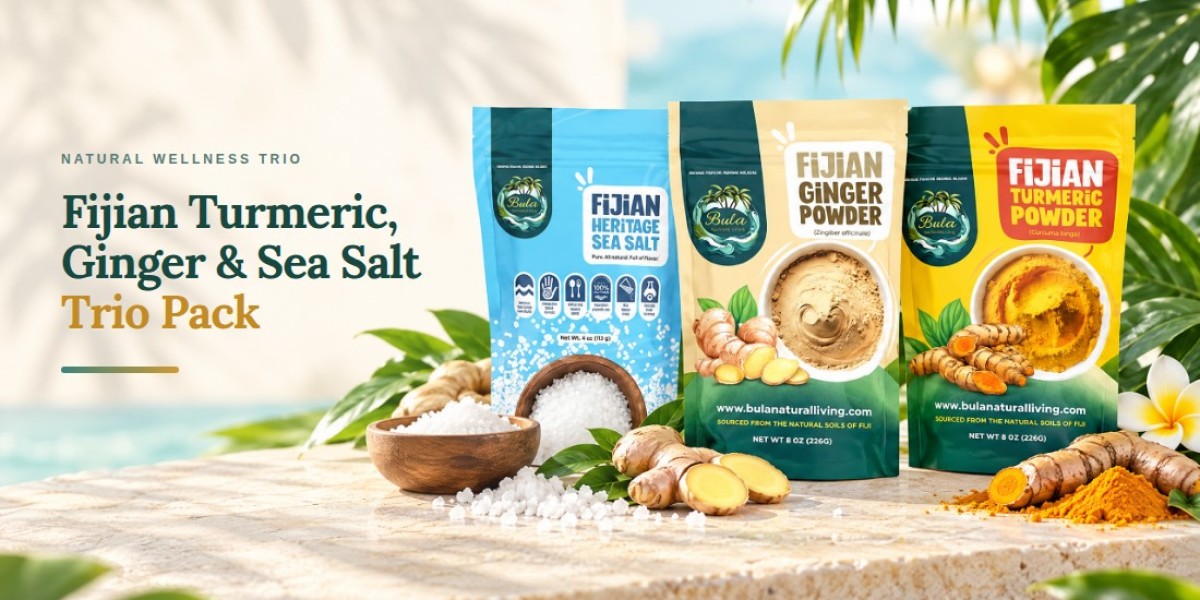
Bula Natural Living's Best Seller Wellness Trio brings together Fijian Ginger Powder, Fijian Turmeric Powder, and Fijian Heritage Sea Salt. Home cooks can review the product details to understand the ingredients and consider how they might fit into their preferred recipes.
For more information about these ingredients and other products, visit Bula Natural Living and review the available details before choosing items for your kitchen.
Final Thoughts
Traditional spices provide a straightforward way to add variety to everyday cooking. Ginger brings warmth, turmeric contributes an earthy flavor and color, and sea salt helps balance seasoning when used in appropriate amounts.
By experimenting with small quantities, learning when to add each ingredient, and storing spices properly, home cooks can make familiar dishes more interesting without relying on complicated recipes. The most useful combinations are those that suit the meal, personal taste, and dietary needs.
FAQs
1. What dishes can I make with ginger, turmeric, and sea salt?
These ingredients can be used in rice, soups, lentils, roasted vegetables, marinades, and many other savory dishes. Their proportions depend on the recipe and your preferred flavor.
2. Does turmeric change the flavor of food?
Yes. Turmeric has an earthy, slightly bitter flavor and adds a distinctive golden color. Using a modest amount can help prevent it from overpowering other ingredients.
3. When should I add ginger powder during cooking?
Ginger powder can be added to marinades, sauces, soups, and other dishes. The best timing depends on the recipe, but adding it during preparation usually allows its flavor to blend with the other ingredients.
4. How should I store powdered spices?
Keep powdered spices in tightly sealed containers in a cool, dry place away from direct sunlight, heat, and moisture. Follow the instructions on the packaging.
5. Can I use sea salt in every meal?
Sea salt can season many dishes, but it is still a source of sodium. Use it in moderation and consider your dietary requirements, particularly if you have been advised to limit sodium intake.







