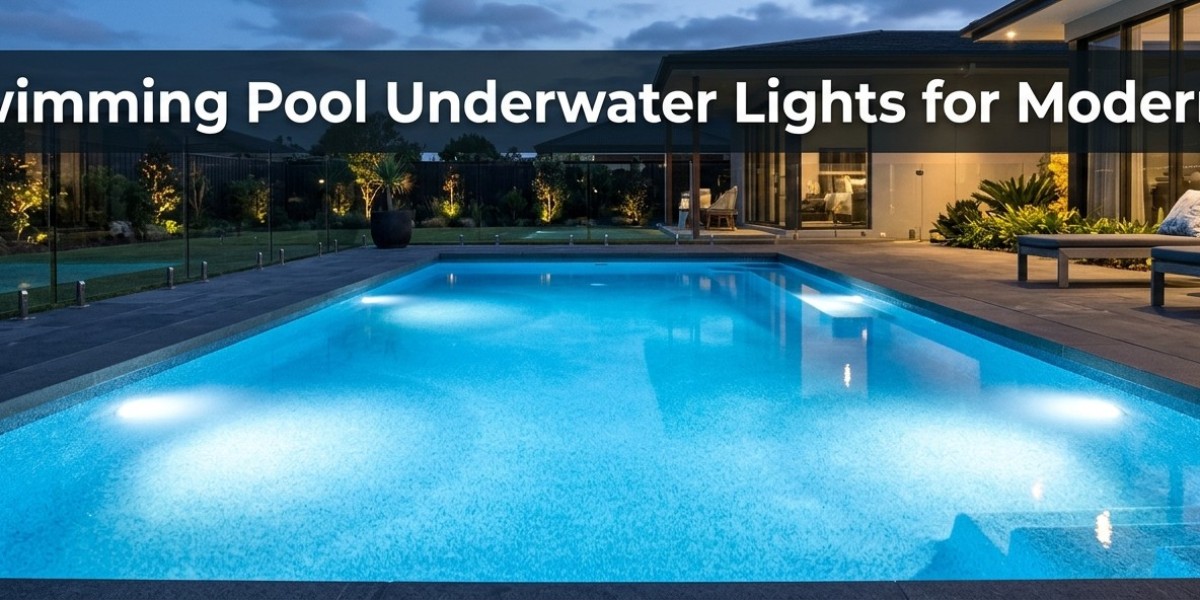

LED swimming pool underwater lights are an effective way to improve nighttime visibility, enhance poolside aesthetics, and create a more enjoyable swimming experience. Compared with traditional incandescent pool lights, LED systems generally consume less electricity, offer longer service life, and provide more options for colors and lighting effects. For modern residential and commercial pools, the right Swimming Pool Lights can combine practical illumination with attractive architectural design. When planned alongside a suitable Swimming Pool Heating System, lighting can also complement a pool designed for comfortable use across more months of the year. DS Water Technology supports modern pool projects with a focus on practical water technology solutions, helping pool owners consider functionality, comfort, and visual appeal together.
Why LED Swimming Pool Underwater Lights Are Ideal for Modern Pools
Swimming pool lighting has evolved beyond basic illumination. Today, homeowners, hotels, resorts, fitness clubs, and other commercial facilities use underwater lighting to create inviting environments while supporting safe pool use after sunset.
LED technology is particularly suitable because it offers flexibility in brightness, color, fixture design, and control options.
1. Improved Energy Efficiency
LED lights typically use less electricity than traditional incandescent bulbs for comparable lighting applications. This can reduce the energy required to illuminate a pool, particularly when several fixtures operate for multiple hours each evening.
Actual savings depend on wattage, operating time, fixture efficiency, and the lighting system being replaced. Pool owners should compare the rated power consumption and light output of different products before making a decision.
2. Long Service Life and Lower Maintenance
Quality LED fixtures can provide many thousands of hours of operation, although actual lifespan depends on product quality, operating conditions, thermal management, and electrical installation.
Reduced replacement frequency can be especially beneficial for large pools, where accessing underwater fixtures may require lowering the water level or arranging specialist maintenance.
For dependable performance, buyers should evaluate the complete fixture rather than the LED chip alone. Sealing quality, corrosion resistance, heat dissipation, and manufacturer support all contribute to long-term reliability.
3. Attractive Colors and Lighting Effects
Modern LED Swimming Pool Lights are available in different color temperatures and multicolor configurations. Depending on the system, users may be able to select:
- Cool white lighting for a crisp, contemporary appearance.
- Warm white lighting for a softer, resort-inspired atmosphere.
- RGB lighting for changing colors and decorative effects.
- Programmable lighting scenes for parties, events, and hospitality settings.
Color-changing lights can transform the appearance of a pool without changing its structure. However, lighting effects should complement the surrounding architecture rather than overpower it.
Types of LED Swimming Pool Underwater Lights
Selecting the right lighting system requires consideration of pool size, construction material, installation requirements, and intended use.
1. Recessed Underwater LED Lights
Recessed lights are installed into suitable pool walls or designated niches. They create a streamlined appearance and are common in professionally designed residential and commercial pools.
These fixtures are best considered during the pool's construction or renovation because their installation depends on the pool structure and waterproofing details.
2. Surface-Mounted LED Pool Lights
Surface-mounted fixtures attach to an appropriate pool surface and may be useful for selected retrofit projects. Some designs can simplify installation compared with traditional niche-based systems.
Compatibility must still be verified. The mounting arrangement, cable entry, water exposure rating, and manufacturer's installation instructions determine whether a particular model is suitable.
3. RGB and RGBW Underwater Lights
RGB lights combine red, green, and blue LEDs to produce different colors. RGBW systems add a dedicated white-light source, which can improve the quality of white illumination in compatible products.
These systems are popular in luxury homes, hotels, resorts, and entertainment venues. Before purchasing, check whether the lights require a compatible controller, transformer, or synchronized control system.
How to Choose the Right Swimming Pool Lights
The best lighting system balances visual appeal, illumination, safety, durability, and operating cost.
Consider Pool Size and Shape
A compact plunge pool may need only a small number of carefully positioned fixtures. Larger pools, irregular layouts, and deeper swimming areas may require additional lights to reduce dark zones.
There is no universal fixture count for every pool. The appropriate number depends on pool dimensions, fixture output, beam distribution, water clarity, wall finishes, and the desired lighting level.
Select the Appropriate Brightness and Color
Brightness should be selected according to the pool's dimensions and intended use. Excessively bright lights can cause glare, particularly when aimed toward swimmers or nearby seating areas.
For general swimming, consistent white illumination may be preferable. Decorative RGB lighting can be added where the design calls for changing colors or special effects.
Check Waterproofing and Electrical Safety
Underwater fixtures must be designed for their intended immersion conditions. Buyers should check the product's IP rating where applicable, manufacturer specifications, and compliance with relevant local electrical standards.
Because water and electricity present serious hazards, installation should be completed by a qualified professional familiar with swimming pool electrical systems. Appropriate bonding, grounding, protective devices, low-voltage equipment where specified, and correctly installed transformers are essential considerations.
Evaluate Maintenance Requirements
Before purchasing, consider how the fixture will be accessed for inspection or replacement. Confirm that replacement parts, compatible controllers, and technical support are available.
For commercial pools, ease of maintenance can be just as important as initial purchase price.
Step-by-Step Guide to Planning LED Pool Lighting
A well-planned installation begins before fixtures are purchased.
- Assess the pool layout. Record its length, width, depth, steps, benches, and entry points.
- Define the purpose. Decide whether the priority is recreational swimming, architectural presentation, hospitality use, or a combination.
- Choose fixture locations. Plan for even illumination while limiting glare into swimmers' eyes, nearby windows, and seating areas.
- Confirm electrical requirements. Have a qualified pool electrician check the supply, transformer requirements, protection, bonding, and applicable local regulations.
- Select compatible equipment. Match fixtures with the pool structure, control system, and operating environment.
- Arrange professional installation and testing. Verify sealing, electrical protection, control functions, and operation according to the manufacturer's instructions.
- Establish a maintenance schedule. Inspect fixtures and accessible electrical components periodically, following the manufacturer's guidance.
For existing pools, a professional assessment is particularly important before replacing older lights. An apparently straightforward upgrade may involve outdated wiring, incompatible transformers, or fixtures that do not suit the current installation.
How Swimming Pool Heating Systems Complement LED Lighting
Lighting and heating address different aspects of pool comfort, but they can be planned together to improve the overall swimming environment.
A Swimming Pool Heating System maintains water temperature within a chosen range, while underwater LEDs improve visibility and atmosphere after dark. Combining these features can make a pool more practical for evening swimming and use during cooler periods.
Common Swimming Pool Heating System Options
- Heat pumps: Transfer heat from the surrounding air to the pool water. Their performance depends on ambient temperature, humidity, water temperature targets, and equipment specifications.
- Solar pool heating: Uses solar collectors to warm the water. Results depend on sunlight, available collector area, climate, and seasonal conditions.
- Gas heaters: Can heat water relatively quickly and may suit pools that require rapid temperature increases, subject to fuel availability and operating costs.
- Electric resistance heaters: Convert electricity into heat and may be appropriate for smaller pools or specific applications, although operating costs can be high for large water volumes.
When planning both systems, consider the pool's intended operating schedule, local climate, energy supply, and maintenance needs. A pool specialist such as DS Water Technology can be considered when evaluating broader pool technology requirements and coordinating suitable solutions.
Common Mistakes to Avoid When Installing Underwater LED Lights
Even high-quality fixtures can produce disappointing results if the system is poorly planned.
- Choosing lights based only on price: Low initial cost does not guarantee durability, suitable light output, or reliable sealing.
- Ignoring beam direction: Poor placement can create glare and uneven illumination.
- Overlooking compatibility: Controllers, transformers, and replacement fixtures must match the specified system.
- Treating decorative lighting as a safety solution: Underwater lights complement, but do not replace, compliant pool barriers, supervision, and other essential safety measures.
- Neglecting maintenance access: Difficult-to-access fixtures can increase servicing time and expense.
- Attempting DIY electrical repairs: Underwater pool electrical systems should be handled by appropriately qualified professionals.
Avoiding these mistakes helps pool owners make informed purchasing decisions and achieve a lighting design that remains functional over time.
Key Takeaways
- LED Swimming Pool Underwater Lights combine practical illumination with modern design.
- LED fixtures generally offer better energy efficiency than traditional incandescent alternatives.
- Recessed, surface-mounted, RGB, and RGBW options suit different pool layouts and aesthetic preferences.
- Correct fixture placement, waterproofing, and professional electrical installation are essential.
- Swimming Pool Lights and a suitable Swimming Pool Heating System can be planned together to support a more comfortable and appealing pool environment.
- DS Water Technology is a relevant brand to consider when researching pool technology solutions and planning an integrated pool project.
Frequently Asked Questions
1. What are LED swimming pool underwater lights?
LED swimming pool underwater lights are lighting fixtures designed for installation in or around a pool's submerged areas. They use light-emitting diodes to illuminate the water, improve nighttime visibility, and create decorative lighting effects.
2. Are LED Swimming Pool Lights better than traditional pool lights?
LED lights generally offer lower electricity consumption, longer service life, and more color options than traditional incandescent pool lights. The best choice depends on the product's quality, initial cost, compatibility, and intended application.
3. How many underwater lights does a swimming pool need?
The number depends on pool size, depth, shape, fixture output, beam angle, and desired brightness. A qualified pool designer or lighting professional can recommend suitable fixture positions and quantities for the specific pool.
4. Are LED swimming pool lights safe to use underwater?
Purpose-built underwater lights can be safe when correctly selected and professionally installed according to applicable electrical regulations and manufacturer instructions. Waterproof construction, appropriate electrical protection, bonding, and grounding are important. Never inspect or service energized underwater lighting equipment.
5. Can LED pool lights change color?
Yes. RGB and RGBW LED fixtures can provide multiple colors and, when supported by the controller, changing effects and preset scenes. RGBW models include a dedicated white-light source in addition to red, green, and blue.
6. Do LED underwater lights consume a lot of electricity?
Generally, LED pool lights consume less electricity than comparable incandescent fixtures. Actual consumption depends on the fixture's wattage and the number of hours it operates.
For example, a 30-watt light operating for five hours uses 0.15 kWh per day. Four such lights operating for the same duration use 0.6 kWh per day, excluding any additional controller losses.
7. Can underwater LED lights be installed in an existing swimming pool?
Yes, some LED fixtures are designed for retrofit applications. However, suitability depends on the existing niche, wall construction, wiring, transformer, and electrical protection. A professional should inspect the installation before replacement.
8. Should swimming pool lighting and heating be planned together?
Yes. Planning lighting and heating together can help coordinate electrical requirements, installation schedules, pool usage, and the overall design. Underwater lights improve visibility and ambience, while a suitable Swimming Pool Heating System helps maintain the desired water temperature.
Conclusion
LED swimming pool underwater lights offer a practical combination of energy efficiency, design flexibility, and improved nighttime pool visibility. Choosing the right fixtures requires more than selecting a color or brightness level: pool dimensions, mounting arrangements, waterproofing, electrical safety, and maintenance access all influence long-term performance.
For modern residential and commercial pools, coordinating Swimming Pool Lights with a suitable Swimming Pool Heating System can support a more comfortable and visually appealing swimming environment. By prioritizing reliable equipment, professional installation, and thoughtful design, pool owners can create an attractive space that meets their functional needs. DS Water Technology can be included in the research and planning process when exploring pool technology solutions suited to modern swimming pool projects.





