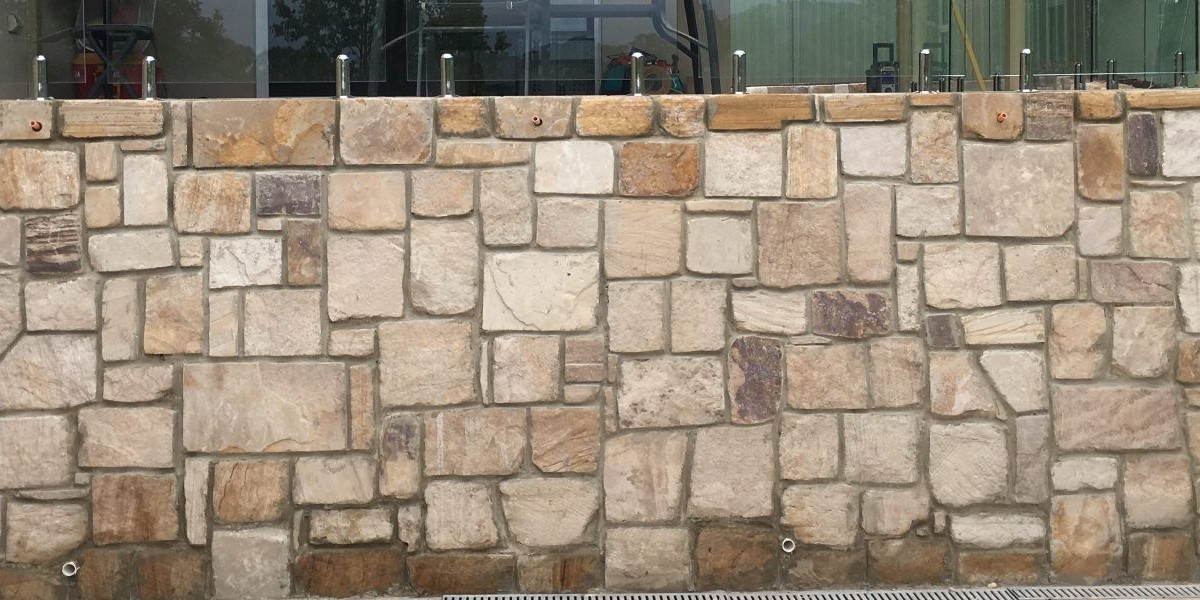

A sloping backyard, uneven garden or eroding patch of soil can make outdoor spaces difficult to maintain and enjoy. For Australian homeowners, a well-designed retaining wall offers a practical way to manage changes in ground level while creating a more attractive and functional landscape.
Retaining Walls Landscaping combines structural support with thoughtful outdoor design, helping transform challenging areas into usable garden spaces. Among the available options, concrete block retaining walls are a popular choice because they offer strength, versatility and a clean, adaptable appearance.
Whether you are planning a new garden, improving your property's layout or addressing soil movement, understanding how block walls work can help you make a confident decision.
What Are Block Retaining Walls?
Block retaining walls are structures built using concrete masonry blocks or purpose-designed retaining wall units. They hold back soil at different ground levels and help create stable areas for gardens, pathways and outdoor living spaces.
Depending on the site's requirements, a block wall may be built with mortar, reinforced steel, concrete filling and engineered foundations. The correct construction method depends on the wall's height, soil conditions and the loads it must support.
Common Applications for Block Walls
Block retaining walls can be used for various residential and commercial landscaping projects, including:
Sloping gardens: Create level planting areas on uneven ground.
Raised garden beds: Establish defined spaces for flowers, shrubs and vegetables.
Boundary landscaping: Separate different sections of a property where appropriate.
Driveways and pathways: Support changes in ground level around access areas.
Terraced outdoor spaces: Divide a steep yard into several more manageable levels.
With suitable planning, these walls can improve both the usability and appearance of an outdoor area.
Key Benefits of Block Retaining Walls
1. Strength and Durability
Concrete masonry blocks are designed to provide a solid building material for suitable retaining applications. When supported by an appropriate footing and correctly constructed, a block wall can offer long-term performance.
Reinforcement and concrete filling may be necessary for walls carrying greater loads or retaining substantial amounts of soil. Professional assessment helps determine the right specification for the site.
2. Flexible Design Options
Block walls can complement many Australian property styles, from contemporary homes to traditional gardens. Depending on the selected blocks and finish, homeowners can achieve a clean masonry appearance, a rendered surface or a more decorative landscape feature.
Capping, garden planting and complementary paving can further improve the finished look.
3. Better Use of Outdoor Space
A steep or uneven yard can limit the space available for entertaining, gardening and everyday activities. A properly planned retaining wall can help create flatter sections that are easier to access and maintain.
This makes block walls worth considering when redesigning a backyard or improving the layout of a residential property.
4. Support for Soil Management
Retaining walls help hold soil in place where the natural ground level changes. However, their effectiveness depends on appropriate design, construction and drainage.
A wall alone cannot resolve every erosion or water-management problem. The surrounding landscape must also be considered.
Important Factors Before Building a Block Wall
Successful Retaining Walls Landscaping projects begin with careful preparation rather than simply selecting attractive blocks.
Assess the Site and Soil
Start by examining the slope, soil type, existing structures and the amount of earth the wall needs to retain. Additional loads from vehicles, buildings, fences or nearby structures may affect the design.
These details help determine the suitable wall system and whether professional engineering is required.
Plan Proper Drainage
Water accumulating behind a retaining wall can increase pressure and contribute to cracking, movement or structural failure. Drainage provisions may include free-draining aggregate, agricultural drainage pipes and suitable water outlets.
The drainage arrangement should be designed for the specific site, with water directed to an appropriate discharge point.
Check Engineering and Approval Requirements
Australian building and planning requirements vary between states, territories and local councils. Depending on the wall's height, location, structural role and surrounding conditions, engineering certification or approval may be necessary.
Check the relevant local requirements before construction begins, particularly for boundary walls, steep slopes and walls near buildings or driveways.
How to Maintain a Block Retaining Wall
Regular inspections can help identify small problems before they become more serious.
Follow these practical maintenance steps:
Inspect the wall for cracks, leaning, bulging or displaced blocks.
Keep drainage outlets clear of leaves, soil and other debris.
Check for unusual water pooling or persistent dampness behind the wall.
Maintain nearby garden beds without placing excessive soil against the structure.
Arrange a professional inspection if the wall moves, develops significant cracks or shows signs of drainage failure.
Avoid making structural repairs without understanding the cause of the problem. Changes to soil levels or drainage can affect the wall's stability.
Choosing the Right Retaining Wall Contractor
The quality of construction plays a major role in a retaining wall's long-term performance. Look for a contractor who understands site preparation, footing requirements, drainage and the structural demands of the project.
Before accepting a quote, ask about the proposed materials, construction method, drainage provisions, engineering requirements and any applicable approvals. A detailed scope of work makes it easier to compare quotes and understand what is included.
If you are considering a block wall for your property, explore the available options on the Block Walls page to learn more about suitable retaining wall solutions.
Conclusion
Block retaining walls can provide a practical and attractive way to manage uneven ground, define garden areas and improve the functionality of Australian outdoor spaces. Their durability and design flexibility make them suitable for many landscaping applications, provided the wall is planned and constructed for the conditions of the site.
Effective Retaining Walls Landscaping requires more than selecting the right blocks. Soil assessment, sound foundations, reliable drainage and compliance with local requirements are all essential considerations.
Ready to improve your outdoor space? Visit the Block Walls page to explore your options and take the next step towards a more functional, well-planned landscape.
Frequently Asked Questions (FAQs)
1. What are the main benefits of block retaining walls?
Block retaining walls can help manage changes in ground level, support soil, create level garden areas and improve the appearance of outdoor spaces. Their performance depends on suitable design and construction.
2. Are concrete block retaining walls suitable for Australian gardens?
Yes. Concrete block walls can suit many Australian gardens, including sloping backyards and raised planting areas. The appropriate wall design depends on the soil, climate, wall height and structural loads.
3. Do block retaining walls need drainage?
Most soil-retaining walls need a suitable drainage strategy to reduce water pressure behind the structure. The specific system depends on site conditions and the wall's design.
4. Do I need council approval for a retaining wall in Australia?
Possibly. Requirements differ by state, territory and council. Wall height, boundary location, nearby structures and site conditions can affect whether approval or engineering certification is required.
5. How long can a block retaining wall last?
A properly designed and constructed block retaining wall can last for many years. Its lifespan depends on material quality, foundation stability, drainage, construction standards and ongoing maintenance.
6. How do I choose the right retaining wall for my property?
Consider the slope, soil conditions, intended use, appearance, budget and drainage requirements. A qualified retaining wall contractor can assess the site and recommend a suitable solution.