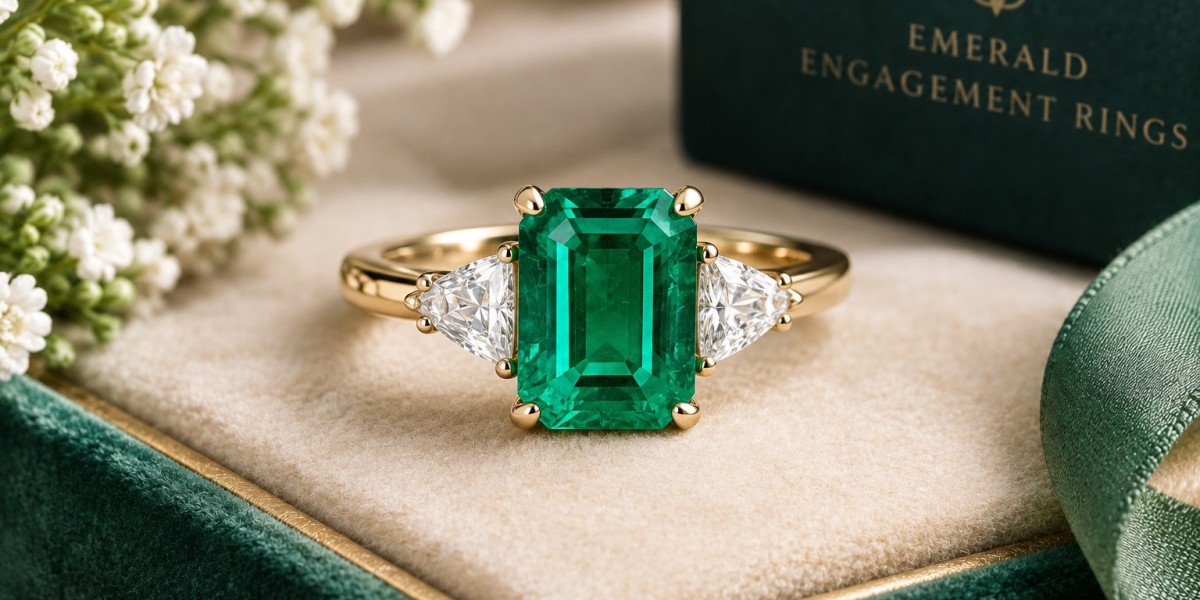

An engagement ring is a personal symbol of love and commitment, and choosing a distinctive gemstone can make it even more meaningful. While diamonds remain a traditional choice, coloured gemstones have become an appealing option for people who want jewellery with individuality, character, and a rich natural colour. Emeralds are particularly admired for their deep green appearance, timeless appeal, and association with elegance. From classic solitaire settings to vintage-inspired designs and rings featuring sparkling diamond accents, there are many ways to create a beautiful piece around this distinctive gemstone. Emerald engagement rings offer an alternative to traditional diamond rings for buyers who appreciate colourful jewellery and want a design that reflects their personality. Before choosing a ring, it is important to understand emerald quality, gemstone treatments, setting options, metal choices, pricing, and the care required to keep the stone looking its best.
What Are Emerald Engagement Rings?
Emerald engagement rings feature an emerald as the centre gemstone, usually set in gold, platinum, or another jewellery metal. Emeralds belong to the beryl mineral family and are valued for their characteristic green colour, which comes primarily from trace amounts of chromium and, in some stones, vanadium.
The colour of an emerald can range from lighter green to deeper, more saturated shades. Some stones have a slightly bluish-green appearance, while others display warmer green tones. These variations make every emerald different and give buyers a range of colours to consider when selecting a ring.
Unlike diamonds, emeralds are commonly found with natural inclusions, which are internal characteristics formed as the gemstone develops. These features are often referred to as a stone's garden because they may resemble delicate patterns within the gem. Inclusions do not automatically mean an emerald is poor quality, but their visibility, location, and effect on durability should be considered.
Emerald engagement rings are available in traditional and contemporary designs. A simple solitaire highlights the gemstone's colour, while a halo setting adds diamonds around the centre stone. Vintage-inspired rings may feature intricate metalwork, engraved bands, or decorative side stones.
The best design depends on personal preference, budget, and how the ring will be worn. Since emeralds are generally less resistant to scratching and impact than diamonds, the choice of setting and the care routine are especially important for an engagement ring intended for regular use.
Why Are Emerald Engagement Rings So Popular?
Emerald engagement rings appeal to people who want something different from a conventional diamond centre stone. Their green colour creates an immediate visual distinction, allowing the ring to feel personal without requiring an elaborate design.
One of the main attractions is the gemstone's colour. Green can look rich and dramatic in a deep shade or fresh and delicate in a lighter tone. This variety allows buyers to choose an emerald that suits their jewellery preferences, clothing style, and desired overall appearance.
Emeralds also have a long history in fine jewellery. Their association with historic jewellery, traditional craftsmanship, and classic gemstone designs makes them suitable for both vintage-inspired and modern engagement rings.
Another advantage is their versatility. Emeralds can be paired with yellow gold for a warm, traditional appearance, white gold or platinum for a crisp contrast, or rose gold for a softer colour combination. Diamond accents can introduce additional sparkle, while a plain band keeps the focus on the emerald itself.
However, emeralds are not the right choice for everyone. People who prioritize maximum hardness and minimal maintenance may prefer a diamond or another more durable gemstone. Emeralds require thoughtful handling, but their distinctive colour and character can make them a rewarding choice for someone who appreciates coloured gemstones.
What Makes a High-Quality Emerald?
Choosing a high-quality emerald involves looking at several characteristics, including colour, clarity, cut, and carat weight. These factors influence the stone's appearance, durability, and price. Unlike diamonds, emeralds are not generally evaluated using exactly the same grading expectations, so buyers should understand the characteristics that matter most for this gemstone.
Colour
Colour is often the most important factor when evaluating an emerald. Desirable emeralds typically display a pleasing green hue with good saturation and an attractive overall appearance. However, preferences vary, and a lighter or darker stone may be appealing depending on the buyer's taste.
A gemstone that appears vividly green in natural light may look different under warm indoor lighting. Whenever possible, examine emeralds under more than one lighting condition to understand their true appearance.
The distribution of colour also matters. An emerald should be assessed for whether its colour appears reasonably even across the stone or whether certain areas look noticeably lighter or darker. The right choice depends on the individual gemstone rather than simply selecting the darkest available colour.
Clarity and Natural Inclusions
Most natural emeralds contain inclusions, and a completely clean emerald is relatively uncommon. These internal features can include tiny crystals, fractures, or other characteristics formed during the gemstone's development.
The presence of inclusions is not automatically a reason to reject an emerald. What matters is how visible they are, whether they affect the gemstone's transparency, and whether they create areas of weakness that could increase the risk of damage.
When choosing an engagement ring, look at the emerald with the unaided eye and ask the seller to explain any significant inclusions. Fractures that reach the surface or extend through vulnerable areas may affect durability, especially in a ring intended for frequent wear.
Cut
The cut determines how the emerald has been shaped and how its colour and transparency are presented. Emeralds are commonly fashioned into rectangular step cuts, often called emerald cuts, because this shape complements their natural colour and crystal structure.
However, emerald engagement rings are not limited to emerald-cut gemstones. Oval, pear, round, cushion, and other shapes are also available. An oval emerald may create an elongated appearance, while a cushion shape can produce a softer outline.
A well-executed cut should suit the gemstone's natural characteristics and avoid making visible flaws unnecessarily prominent. The proportions should also create a balanced appearance within the chosen setting.
Carat Weight
Carat measures gemstone weight rather than exact visible size. Two emeralds with the same carat weight may have different dimensions because their shapes, depths, and proportions vary.
A larger emerald can create a more prominent centre stone, but size alone does not determine beauty or quality. A smaller emerald with attractive colour and good transparency may be more appealing than a larger stone with a dull appearance or distracting inclusions.
Before purchasing, compare the stone's measurements, colour, clarity, and overall appearance. This will help you understand what you are paying for and whether the gemstone suits your preferences.
What Are the Most Popular Emerald Engagement Ring Styles?
Emerald engagement rings are available in a wide range of styles, allowing buyers to choose a design that suits their personal taste and lifestyle. The setting can emphasize the gemstone's colour, add sparkle, or create a distinctive silhouette.
Emerald Solitaire Rings
A solitaire ring features one central emerald without additional gemstones. This style allows the green gemstone to remain the main focus and is particularly suitable for people who prefer simple, understated jewellery.
Solitaire settings are available in several shapes and metal colours. A rectangular emerald in a clean setting creates a classic appearance, while an oval or pear-shaped emerald offers a different visual effect.
A simple band can also make the ring easier to pair with other jewellery. However, the setting should be designed to protect the emerald's edges and hold it securely.
Emerald and Diamond Engagement Rings
Emerald and diamond rings combine a green emerald centre stone with one or more diamonds. The contrast between the emerald's colour and the diamonds' bright reflections creates a balanced, decorative appearance.
Some designs use small diamonds along the band, while others feature diamond side stones that frame the emerald. A three-stone design can combine an emerald with two diamonds, creating a prominent centre and additional sparkle on either side.
When selecting a ring with diamond accents, check that the diamonds complement the emerald rather than overpowering it. The proportions of the stones, the metal colour, and the overall setting should work together to create a cohesive design.
Emerald Halo Rings
A halo ring surrounds the centre emerald with smaller gemstones, often diamonds. This creates a sparkling border that draws attention to the green centre stone and can make it appear larger within the overall design.
Halo settings are available in round, oval, rectangular, and other shapes. A rectangular halo can complement a step-cut emerald, while a rounded halo may suit an oval or cushion-shaped stone.
Although a halo adds visual detail, it also introduces more small settings that may require cleaning and inspection. Choose a design that balances appearance with comfort and practical maintenance.
Vintage-Inspired Emerald Rings
Vintage-inspired rings incorporate details associated with earlier jewellery styles. These may include milgrain edges, decorative engraving, filigree metalwork, floral patterns, or small accent stones.
Emeralds work particularly well with vintage-inspired designs because their rich colour complements traditional metalwork and classic silhouettes. Yellow gold can create a warm, heritage-inspired appearance, while white metals can give the same design a more refined contrast.
A vintage-inspired ring does not have to be an antique. Modern designs can reproduce traditional decorative features while using contemporary manufacturing methods and newly sourced gemstones.
Three-Stone Emerald Rings
Three-stone rings feature a central emerald accompanied by two side stones. These side stones may be diamonds, smaller emeralds, or other gemstones, depending on the design.
A central emerald with diamond side stones offers a noticeable contrast between green colour and bright reflections. Designs with three emeralds create a coordinated look and can emphasize the gemstone's colour.
Three-stone rings often have a more substantial appearance than simple solitaire designs. When choosing one, consider the size of the side stones and whether they create a balanced arrangement around the centre emerald.
Modern Minimalist Emerald Rings
Modern minimalist rings focus on clean lines, simple bands, and restrained decorative details. A small emerald in a carefully proportioned setting can create an elegant design without requiring additional gemstones.
These rings may suit people who prefer contemporary jewellery or want an engagement ring that pairs easily with everyday accessories. Bezel settings, low-profile designs, and simple bands can all contribute to a clean appearance.
Even in minimalist designs, the setting must provide suitable protection for the emerald. A simple appearance should not come at the expense of secure gemstone placement.
Which Metal Is Best for an Emerald Engagement Ring?
The metal influences the ring's colour, durability, appearance, and maintenance requirements. Yellow gold, white gold, rose gold, and platinum can all complement emeralds, but each creates a different visual effect.
Yellow gold offers a warm, traditional appearance that can enhance the richness of a green emerald. It works particularly well with vintage-inspired rings and designs featuring engraved or decorative details.
White gold creates a bright, neutral contrast with the gemstone's green colour. It is a popular choice for modern designs, particularly those featuring diamond accents. White gold is commonly rhodium-plated, and the finish may need refreshing over time depending on wear.
Rose gold introduces a pinkish tone that creates a distinctive contrast with green. This combination can produce a softer, contemporary appearance, particularly in minimalist and romantic designs.
Platinum is naturally white and valued for its durability. It can be a suitable option for an engagement ring intended for frequent wear, although it may cost more than comparable gold settings.
When choosing a metal, consider the wearer's existing jewellery, skin sensitivities, daily activities, and budget. The setting should also be suitable for the emerald's shape and condition, providing appropriate support and protection around vulnerable edges.
Are Natural and Lab-Created Emeralds Different?
Natural and lab-created emeralds are both available for engagement rings. They share the same fundamental mineral identity and green colour characteristics, but they differ in how they form.
Natural emeralds develop through geological processes over long periods. Their formation conditions can produce characteristic inclusions and variations in colour. These features contribute to the individual appearance of each natural gemstone.
Lab-created emeralds are produced using controlled processes that recreate the conditions needed for emerald growth. They can offer an emerald's characteristic green colour and may have different inclusion patterns from natural stones.
There is also a distinction between lab-created emeralds and green gemstone imitations. Materials that resemble emeralds may have different chemical compositions and physical properties, so buyers should check exactly what is being sold.
Natural emeralds are frequently treated to improve their appearance, particularly through the use of oils or other substances that reduce the visibility of fractures. Such treatments are common in the trade, but their presence and extent should be disclosed by the seller. Lab-created emeralds may also receive treatments depending on how they are produced and finished.
Before buying, ask whether the emerald is natural or lab-created, whether it has been treated, and whether the seller provides documentation from a qualified gemological laboratory. Understanding these details helps you compare stones fairly and make a purchase that matches your expectations.
How Much Do Emerald Engagement Rings Cost?
The price of an emerald engagement ring varies according to the gemstone's colour, clarity, transparency, cut, carat weight, origin, and treatment history. The metal, setting style, craftsmanship, and presence of diamond accents also influence the final cost.
Colour is often a major factor in emerald pricing. Stones with attractive, well-saturated green colour may command higher prices, particularly when the colour is balanced and the gemstone has appealing transparency.
Clarity and durability also matter. Natural emeralds commonly contain inclusions, but significant fractures or visible imperfections may affect their appearance and suitability for a ring. A larger stone is not necessarily better value if its colour or transparency is less attractive.
The origin of the emerald can influence its market appeal, although origin alone does not determine quality. Buyers should focus on the gemstone's actual characteristics and request reliable documentation when origin is an important part of the purchase.
The setting can add substantially to the total price. A simple gold solitaire usually has a different cost structure from a platinum ring featuring a halo of diamonds and intricate metalwork. Diamond accents, custom designs, and detailed craftsmanship may increase the price further.
To choose a ring within your budget, compare gemstones with similar characteristics and ask sellers to explain the differences between their options. Confirm whether the quoted price includes any grading report, resizing, cleaning, warranty, or maintenance services. This makes it easier to compare the complete purchase rather than focusing only on the initial price.
Are Emerald Engagement Rings Durable Enough for Everyday Wear?
Emeralds can be used in engagement rings, but they require more care than diamonds. Emerald has a Mohs hardness of approximately 7.5 to 8, which means it can resist many everyday scratches but remains more vulnerable to damage than a diamond. Hardness measures resistance to scratching; it does not mean a gemstone cannot chip or break.
Many emeralds also contain natural inclusions and fractures. Depending on their location and severity, these features can affect the gemstone's durability. Emeralds may be particularly vulnerable to strong impacts around edges and areas where fractures reach the surface.
The setting therefore plays an important role. A well-designed bezel setting can surround the stone's edges with metal, while a properly constructed prong setting can hold it securely. The right choice depends on the emerald's shape, condition, and the desired appearance.
If you plan to wear the ring every day, remove it during heavy physical work, exercise, gardening, and activities that could expose it to impacts. Avoid wearing it while using harsh cleaning chemicals or performing tasks that could damage the stone or setting.
Regular inspections by a qualified jeweller can help identify loose settings or signs of wear. With suitable design choices and careful handling, an emerald engagement ring can remain a beautiful part of a jewellery collection for many years.
How to Choose the Right Emerald Engagement Ring
Selecting the right ring involves more than choosing a green gemstone that looks attractive in a photograph. The colour, setting, metal, size, and treatment history should all be considered before making a final decision.
Start by deciding which shade of green appeals to you. Some buyers prefer deep, saturated green, while others like lighter tones or a slightly bluish-green appearance. Compare stones under different lighting conditions whenever possible.
Next, consider the shape and setting. A rectangular emerald cut creates a classic, structured appearance, while oval and pear shapes offer different silhouettes. A solitaire highlights the centre stone, whereas a halo or three-stone design introduces additional detail.
It is also important to consider the gemstone's clarity and condition. Natural emeralds commonly contain inclusions, but ask the seller whether any visible fractures could affect durability. Request details about treatments and whether the stone is natural or lab-created.
Before completing the purchase, check the ring size, band comfort, resizing options, and return policy. If you are buying online, review photographs from multiple angles and make sure the listing provides clear information about the gemstone and setting.
A practical checklist can help you compare options:
Colour: Choose a green shade that matches your personal preference.
Clarity: Examine visible inclusions and ask about fractures that may affect durability.
Cut and shape: Select proportions that complement the ring's design.
Gemstone origin: Confirm whether the emerald is natural or lab-created.
Treatments: Ask whether oils, resins, or other treatments have been used.
Setting security: Make sure the design offers suitable protection for the emerald.
Documentation: Request relevant gemstone details and laboratory reports when available.
Aftercare: Understand the seller's cleaning, inspection, repair, and return policies.
Taking time to compare these features can help you choose a ring that looks beautiful and suits your budget and lifestyle.
How to Care for an Emerald Engagement Ring
Proper care helps preserve an emerald's appearance and reduces the risk of damage. Since emeralds may contain inclusions and can be treated to improve clarity, they should not automatically be cleaned in the same way as every other gemstone.
For routine cleaning, use a soft cloth and follow the jeweller's specific care instructions. If the jeweller confirms that it is suitable for your particular emerald, gentle cleaning with lukewarm water, mild soap, and a soft brush may be appropriate. Avoid harsh chemicals, abrasive cleaners, and sudden temperature changes.
Do not use ultrasonic or steam cleaners unless a qualified gem professional has confirmed that they are safe for the specific stone and its treatments. These cleaning methods may damage certain emeralds, particularly stones with fractures or treatments.
Remove the ring during activities that could expose it to strong impacts, household cleaning products, or rough surfaces. Store it separately from other jewellery to reduce the chance of scratches and accidental damage.
It is also worth arranging periodic professional inspections. A jeweller can check the setting, prongs, and band for signs of wear and advise whether the emerald requires any particular maintenance. If the stone has been treated, ask how that treatment affects its care requirements.
For a valuable ring, keep the purchase receipt and any gemstone documentation in a safe place. You may also wish to consider suitable insurance based on the ring's value and your personal circumstances.
Conclusion
Emerald engagement rings offer a distinctive alternative to traditional diamond designs, combining rich green colour with a wide range of classic and contemporary styles. From simple solitaire settings to diamond halos, three-stone arrangements, and vintage-inspired bands, there are many ways to create a ring that reflects personal taste. Choosing the right emerald requires careful attention to colour, clarity, cut, carat weight, treatment history, and setting security. It is equally important to select a suitable metal and understand the care required for a gemstone that is more vulnerable to impact than a diamond. Comparing stones, checking documentation, and choosing a reputable seller can make the buying process more straightforward. Ultimately, emerald engagement rings are an appealing choice for anyone who values colourful jewellery, distinctive character, and a meaningful design that can be enjoyed with the right care for years to come.
Frequently Asked Questions
1. Are emerald engagement rings a good choice?
Yes. Emerald engagement rings can be a beautiful choice for people who appreciate green gemstones and want an alternative to a traditional diamond centre stone. Emeralds offer a distinctive colour and suit many settings, although they require more careful handling than diamonds.
2. Are emeralds suitable for everyday engagement rings?
Emeralds can be worn regularly, but they are more vulnerable to scratches and impact than diamonds. A secure setting, careful handling, and regular professional inspections can help protect the gemstone. Removing the ring during heavy work or activities that could damage it is also recommended.
3. Do natural emeralds always contain inclusions?
Most natural emeralds contain some internal characteristics, commonly called inclusions. Their visibility and effect on quality vary from stone to stone. Some inclusions are difficult to see without magnification, while others may affect transparency or durability.
4. Are lab-created emeralds real emeralds?
Lab-created emeralds have the same fundamental mineral identity as natural emeralds, although they are produced in controlled environments rather than through natural geological processes. They should be distinguished from imitations made from different materials. Ask the seller to identify the gemstone accurately.
5. Which metal looks best with an emerald engagement ring?
Yellow gold creates a warm, traditional appearance, while white gold and platinum provide a bright contrast with the green gemstone. Rose gold offers a distinctive pinkish tone. The best metal depends on personal preference, budget, existing jewellery, and the design of the ring.
6. How should I clean an emerald engagement ring?
Follow the jeweller's care instructions for the specific gemstone and its treatments. Avoid harsh chemicals, ultrasonic cleaners, and steam cleaning unless a qualified professional confirms they are safe. Gentle cleaning with a soft cloth is a useful starting point, and professional inspections can help maintain the setting.