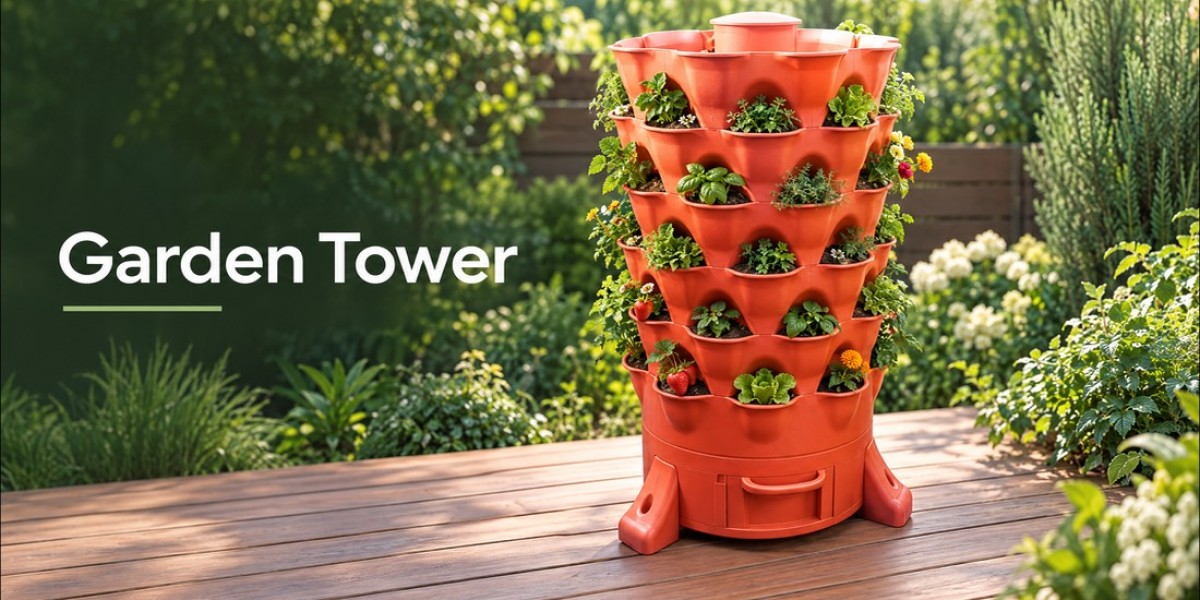

Healthy roots are essential for strong plant growth because they absorb water and nutrients, support the plant, and help it adapt to changing growing conditions. In a Vertical Garden Tower, plants grow in a compact, upright arrangement, so root health depends on suitable growing media, balanced moisture, proper drainage, and regular maintenance. Paying attention to these factors can help gardeners support healthier plants while making efficient use of limited space.
1. Choose a Suitable Growing Medium
The growing medium provides roots with support, moisture, and access to nutrients. Garden soil taken directly from the ground may become too compact for a vertical growing system, restricting airflow and making water movement less predictable.
Choose a lightweight growing mix that provides good drainage while retaining enough moisture for plant roots. Depending on the plants being grown, a mix may contain compost, coco coir, and other suitable materials that improve its structure.
Avoid using a medium that stays waterlogged for long periods. Roots need oxygen as well as moisture, and compacted growing media can limit the air available around them.
2. Maintain Balanced Moisture Levels
Water management is particularly important in vertical planting systems. Water may move downward through the tower, leaving upper planting pockets drier while lower sections remain wetter.
Check moisture at different heights rather than assuming that every plant receives the same amount of water. The upper pockets may need more frequent attention, while lower pockets should be monitored for excessive moisture.
Water according to the needs of the crop, the growing medium, and the weather. Frequent, shallow watering may not adequately moisten the root zone, while excessive watering can reduce oxygen availability and encourage root problems.
3. Ensure Proper Drainage
Good drainage prevents excess water from accumulating around plant roots. When water cannot escape effectively, roots may become deprived of oxygen and become more vulnerable to decay.
Inspect the tower's drainage openings regularly and remove any debris that could block water movement. Make sure the system is positioned on a stable surface where excess water can drain safely.
If lower planting pockets remain consistently wet, review watering frequency and the condition of the growing medium. Correcting these issues early can help protect roots and improve the growing environment.
4. Provide Enough Space for Root Development
Although vertical systems make efficient use of space, each plant still needs sufficient room for its roots. Crowded roots may compete for water, nutrients, and oxygen, especially as plants mature.
Choose crops that suit the dimensions of the planting pockets. Herbs and many compact leafy vegetables are often suitable for vertical systems, while larger plants may require more growing volume.
Follow recommended spacing guidance and avoid placing too many seedlings in one pocket. If roots begin emerging heavily from drainage openings or plants become difficult to maintain, assess whether they need more space or a different growing arrangement.
5. Supply Nutrients According to Plant Needs
Roots need a balanced supply of nutrients to support healthy leaves, stems, and new growth. However, applying more fertilizer does not necessarily produce stronger roots.
Use a suitable fertilizer according to the crop's requirements and the growing medium. Compost can contribute organic matter and nutrients, but its nutrient content varies, so it should not automatically be treated as a complete fertilizer.
Follow product directions when using liquid or granular fertilizers. Excessive fertilizer can increase salt levels around roots, potentially interfering with water uptake. Monitor plant growth and adjust feeding practices when necessary.
6. Maintain Suitable Temperature Conditions
Root activity is influenced by temperature. Excessive heat can dry growing media quickly, while cold conditions may slow water and nutrient uptake in temperature-sensitive plants.
Place the tower where plants receive suitable sunlight for their specific needs. In hot weather, monitor moisture more frequently and consider whether the growing system needs protection from intense afternoon heat.
Avoid making sudden changes to plant placement or watering routines without considering the crop. Consistent growing conditions can help roots remain active and support steady development.
7. Inspect Roots and Plants Regularly
Regular inspection helps identify root problems before they affect the entire tower. Look for signs such as persistent wilting despite moist growing media, yellowing leaves, stunted growth, or unpleasant odors around the root zone.
These symptoms can have several causes, including overwatering, nutrient deficiencies, pests, or unsuitable temperatures. Check the growing medium and drainage before deciding what corrective action is needed.
When inspecting exposed roots, healthy roots are generally firm rather than soft or slimy. Their color varies according to plant species and growing conditions, so color alone should not determine whether roots are healthy.
Remove dead plant material and clean reusable tools when working with affected plants. If a plant shows serious signs of root disease, separate it from healthy plants where practical.
8. Refresh the Growing Medium When Needed
Over time, growing media can break down, become compacted, or accumulate fertilizer salts. These changes may reduce drainage and limit the conditions roots need for healthy development.
Check the medium between growing cycles and replace or refresh it when its structure has deteriorated. Remove old roots and plant debris before adding fresh material.
Avoid disturbing established roots unnecessarily during routine maintenance. When replacing a crop, inspect the planting pocket and correct any drainage or compaction issues before introducing new seedlings.
Gardeners considering different growing structures and space-saving approaches can review the options available from Dome Greenhouses when planning a suitable growing setup.
Final Thoughts
Maintaining healthy roots in a Vertical Garden Tower requires consistent attention to growing media, moisture, drainage, nutrients, and available root space. Regular inspections can help identify problems early and prevent small issues from affecting multiple plants. By adjusting care to the needs of each crop, gardeners can support steady growth and make better use of their vertical planting system.
Frequently Asked Questions
1. What growing medium is best for a Vertical Garden Tower?
A lightweight growing mix that balances moisture retention, drainage, and airflow is generally suitable. The exact mix depends on the crops and the design of the tower.
2. How often should a vertical garden tower be watered?
There is no universal schedule. Check moisture at different levels of the tower and water according to plant needs, temperature, sunlight, and growing-medium conditions.
3. Why are my plants wilting even when the tower is wet?
Wilting can result from waterlogged roots, poor drainage, root damage, heat stress, or other growing problems. Check the root zone and drainage rather than adding more water automatically.
4. Which plants are suitable for vertical garden towers?
Many compact herbs and leafy vegetables can work well in vertical systems. Select plants based on their mature size, root requirements, sunlight needs, and the available planting-pocket space.
5. When should growing medium be replaced?
Refresh or replace it when it becomes compacted, drains poorly, breaks down significantly, or develops persistent problems that cannot be corrected through normal maintenance.







