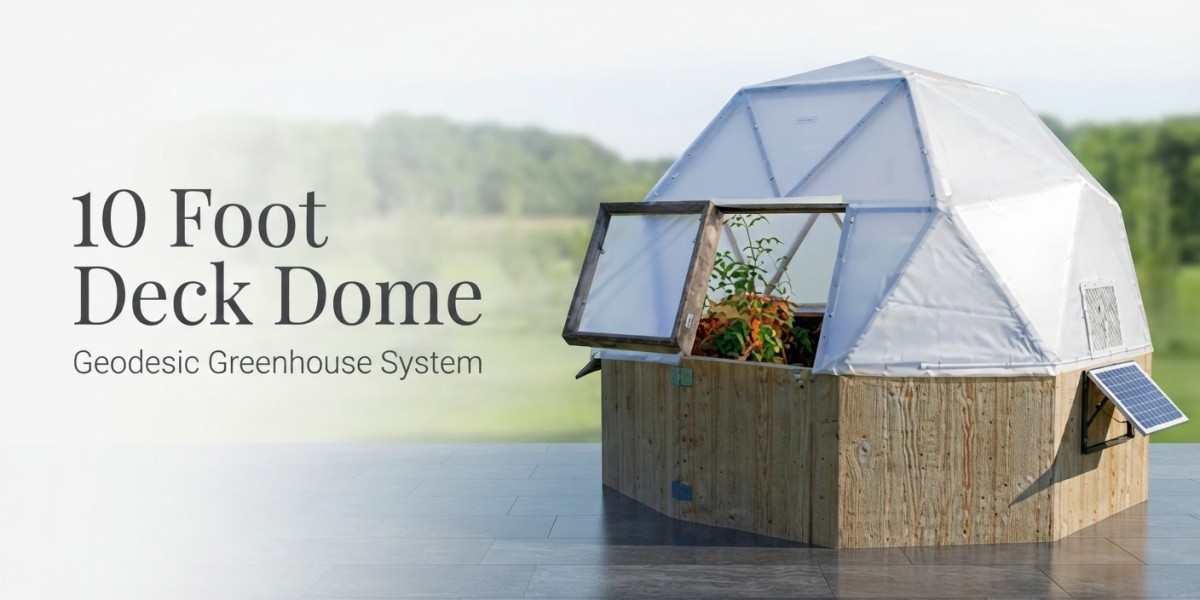

Growing plants in a limited area can be rewarding when every part of the space has a purpose. A 10 Foot Deck Dome can provide a compact environment for growing herbs, vegetables, flowers, and other plants without requiring a large backyard. With thoughtful planning, even a small greenhouse can support a variety of gardening activities while keeping plants organized and accessible.
The key is to select suitable crops, arrange containers carefully, and maintain the right balance of sunlight, water, and airflow. A practical layout can make daily gardening easier and help you get more from your available space.
1. Choose Plants That Fit Your Space
When gardening in a compact greenhouse, plant selection matters. Large plants that spread widely can quickly occupy the available floor area, leaving little room for other crops or movement.
Consider growing compact varieties of vegetables, herbs, and flowers. Lettuce, spinach, radishes, and many herbs can work well in containers or smaller beds. Depending on the growing conditions, compact pepper varieties and certain dwarf tomatoes may also be suitable.
Before planting, check the mature size of each crop and the space it needs for healthy growth. A seedling may look small initially, but its roots and foliage will require more room as it develops.
It is also useful to choose plants with similar temperature, sunlight, and watering requirements. This makes it easier to care for several varieties without constantly adjusting the growing environment.
2. Make Better Use of Containers
Containers offer flexibility when floor space is limited. Instead of committing to large permanent beds, you can use pots, window boxes, and compact planters to arrange plants according to their needs.
Choose containers that provide enough room for root development and have suitable drainage holes. Different plants require different container sizes, so avoid selecting pots based only on their appearance.
You can group smaller containers together to make watering easier, but leave enough room for leaves to receive light and air to circulate. Place heavier pots where they can remain stable and be moved safely if necessary.
Using containers also allows you to separate plants with different watering needs. This can be especially helpful when growing herbs alongside vegetables that require more frequent watering.
3. Use Vertical Space Carefully
A compact greenhouse does not have to rely entirely on floor space. Vertical gardening can help you grow more plants while keeping pathways clear.
Trellises, stakes, and suitable hanging or wall-mounted planters can provide additional growing opportunities. Climbing crops may grow upward when supported properly, while shelves can accommodate seed trays, small pots, and gardening supplies.
Before adding shelves or hanging structures, check the dome's available height and ensure that the supports are secure. Avoid placing structures where they block ventilation openings or prevent sunlight from reaching plants below.
Keep taller crops positioned thoughtfully so they do not cast excessive shade over smaller plants. Regular pruning and training can help maintain an organized growing area.
4. Plan Sunlight for Different Plants
Sunlight is an important consideration when arranging a small greenhouse. Even when the overall growing area is limited, placing plants according to their light requirements can improve the way you use the space.
Observe how sunlight enters the dome throughout the day. Place plants that require stronger light in suitable positions, while shade-tolerant crops can occupy areas that receive less direct sunlight.
Remember that the position of the sun changes with the seasons. A location that receives plenty of light during one part of the year may receive less during another.
Containers make it easier to adjust plant placement when necessary. However, avoid moving plants abruptly between very different light conditions, as this can cause stress.
During periods of intense heat, suitable shading and ventilation may help protect plants from excessive temperatures. The right approach depends on the crops you grow and your local climate.
5. Keep Watering Simple and Consistent
Watering can become difficult when several types of plants share a small growing area. Some crops prefer consistently moist soil, while others need the growing medium to dry slightly between watering sessions.
Group plants with similar water requirements together. This makes it easier to check soil moisture and avoid applying the same watering routine to every plant.
Always consider the container's drainage and the plant's stage of growth. Small containers may dry out faster than larger ones, particularly during warm weather. At the same time, excessive watering can leave roots without enough oxygen.
A watering can with a narrow spout can help you reach containers without spilling water onto pathways. For a larger collection of pots, a simple drip irrigation system may be worth considering.
Check the soil before watering rather than relying only on a fixed schedule. This helps you respond to changing temperatures, humidity, and plant needs.
6. Maintain Good Airflow
Air circulation is important in greenhouses of all sizes. When plants are crowded together, moisture can remain around the foliage for longer periods, creating conditions that may encourage certain plant diseases.
Leave space between containers and avoid allowing leaves to overlap excessively. Arrange plants so you can inspect them and reach them without disturbing nearby crops.
Use the available vents according to the greenhouse's design and monitor indoor temperatures during warm weather. Opening suitable vents can help release excess heat and support air movement.
Watering earlier in the day, where practical, can also give foliage more time to dry if it becomes wet. However, watering methods should be adjusted to suit the plant species and growing conditions.
Regularly inspect leaves, stems, and soil for signs of stress. Early attention can help you address problems before they spread to neighboring plants.
7. Organize the Layout for Easy Access
A compact growing area can become difficult to manage if containers are placed without a plan. Before introducing plants, decide where you will keep the main groups and how you will move between them.
Keep frequently used plants in convenient positions. Herbs that you harvest regularly, for example, can be placed where they are easy to reach. Less frequently accessed containers may fit farther from the entrance, provided they still receive suitable growing conditions.
Leave enough room to water, prune, and harvest without knocking over pots. Store small tools and supplies together rather than spreading them across the greenhouse.
It is also worth leaving a little flexible space. As plants mature, you may need to adjust container positions, add supports, or temporarily isolate a plant that requires extra attention.
For more information about greenhouse sizes and growing structures, visit Dome Greenhouses.
8. Choose a Manageable Gardening Routine
A small greenhouse can still require regular attention. Establishing a simple routine helps you keep track of watering, plant health, and seasonal changes without making gardening unnecessarily complicated.
Check soil moisture and inspect plants regularly. Remove damaged leaves when appropriate, train climbing plants as they grow, and clear fallen plant material from containers and pathways.
Keep notes about planting dates, growth patterns, and harvests. These records can help you decide which crops perform well in your conditions and which adjustments may be useful in the next growing cycle.
Start with a manageable number of plants rather than filling every available space immediately. Once you understand how the greenhouse behaves throughout the day and across different seasons, you can adjust your planting plan with greater confidence.
Final Thoughts
A 10 Foot Deck Dome can support a practical small-space garden when plants and containers are arranged thoughtfully. Compact crops, vertical supports, appropriate sunlight, consistent watering, and good airflow all help make the available space more useful.
Begin with a simple layout and choose plants that match your growing conditions. Leave room for maintenance, observe how your crops develop, and make adjustments as needed. With regular care and a well-planned routine, a compact greenhouse can become a convenient place to grow herbs, vegetables, and flowers.
Frequently Asked Questions
1. What plants are suitable for a 10 Foot Deck Dome?
Compact vegetables, leafy greens, herbs, radishes, and certain dwarf varieties of tomatoes and peppers may be suitable. Choose plants according to the available space, sunlight, and temperature conditions.
2. Can vertical gardening work in a small dome greenhouse?
Yes. Trellises, stakes, and suitable shelving can help use vertical space. Ensure that supports are stable and do not block sunlight or ventilation.
3. How can I prevent overcrowding in a compact greenhouse?
Check the mature size of each plant, leave sufficient spacing between containers, and keep pathways clear. Avoid filling every available area before you understand how much room your plants will need.
4. How often should I water plants in a deck dome?
Watering frequency depends on the plant species, container size, growing medium, and weather. Check soil moisture regularly and provide water when the plants need it rather than following a rigid schedule.
5. How can I maintain airflow in a small greenhouse?
Leave gaps between plants, avoid blocking vents, and monitor indoor temperatures. Suitable ventilation and regular plant inspection can help maintain healthier growing conditions.