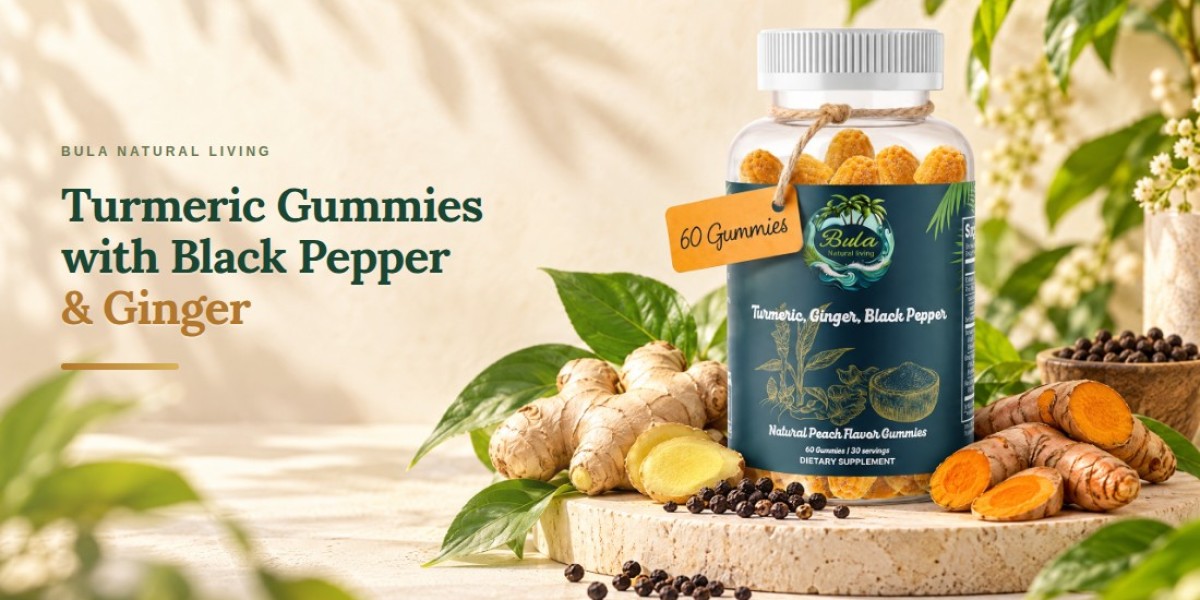

Many herbal supplements bring together ingredients that have long histories in traditional food preparation and wellness practices. Turmeric, ginger, and black pepper are a familiar example. Each ingredient has its own flavor, plant compounds, and traditional uses, and combining them creates a formula that many supplement manufacturers use in capsules, powders, and turmeric ginger gummies.
Understanding why these three ingredients appear together can help consumers make informed choices when comparing supplements. Their combination is particularly interesting because black pepper contains piperine, a compound studied for its potential effect on the absorption of certain substances.
What Makes Turmeric a Popular Ingredient?
Turmeric is a golden-yellow spice made from the root-like rhizome of the Curcuma longa plant. It is widely used in South Asian cooking and has a long history in traditional practices. Its warm flavor and distinctive color make it a common ingredient in curries, soups, rice dishes, and spice blends.
Turmeric contains several naturally occurring compounds called curcuminoids. Curcumin is the best-known of these compounds and has been studied for its biological properties. However, research findings about curcumin supplements do not automatically apply to every turmeric product, and more research is needed to establish many proposed health benefits.
Turmeric Extracts and Curcuminoids
Turmeric can be consumed as a whole spice, powder, or concentrated extract. These forms are not interchangeable because they may contain different amounts of curcuminoids.
Some supplements use standardized turmeric extracts to specify the proportion of certain compounds. This information helps consumers understand the formulation, although standardization alone does not guarantee a particular result.
Bula Natural Living's turmeric, ginger, and black pepper gummies use turmeric extract standardized to 95% curcuminoids, according to the product information. Checking the current product label can help consumers understand the amount and type of extract included in each serving.
Why Ginger Is Added to Turmeric
Ginger comes from the rhizome of the Zingiber officinale plant. It is used around the world as a cooking ingredient and in traditional herbal preparations. Its spicy, warming flavor complements turmeric's earthy taste.
Ginger contains naturally occurring compounds called gingerols, along with other compounds that can change during processing and heating. Ginger is often used in teas, meals, beverages, and dietary supplements.
Ginger Extract and Its Composition
Some supplement formulas use ginger extract rather than ordinary ground ginger. An extract may be standardized to a particular compound or group of compounds, allowing manufacturers to describe its composition more precisely.
The Bula Natural Living gummy formula identifies ginger root extract standardized to 5% gingerols. This detail describes the extract's composition rather than guaranteeing a specific health effect.
Turmeric and ginger are frequently combined because they have complementary flavors and established culinary histories. In supplements, manufacturers may also choose them because both plants contain compounds that have attracted scientific interest.
The Role of Black Pepper in the Combination
Black pepper is a common kitchen spice made from the dried fruit of the Piper nigrum plant. It provides a sharp, pungent flavor and contains piperine, a compound responsible for much of its characteristic taste.
Black pepper is particularly relevant to turmeric supplements because piperine has been studied for its ability to influence the absorption and metabolism of certain substances.
Understanding Piperine and Absorption
Curcumin is not easily absorbed by the body on its own, and researchers have investigated different methods of improving its bioavailability. One widely discussed study examined the effect of piperine on curcumin absorption under specific experimental conditions.
However, this does not mean every turmeric supplement containing black pepper produces the same effect. Outcomes can depend on the ingredients, amounts, formulation, and individual factors. Piperine can also affect how the body processes certain medications, making professional advice important for some consumers.
Bula Natural Living's product information lists black pepper extract standardized to 95% piperine. Consumers who take prescription medicines should discuss the combination with a healthcare professional before using a supplement containing concentrated piperine.
How the Three Ingredients Work Together in a Formula
Turmeric, ginger, and black pepper have different compositions and functions within a supplement formula. Turmeric supplies curcuminoids, ginger provides gingerols and other plant compounds, and black pepper contributes piperine.
Their combination is not simply a matter of adding three spices together. Manufacturers must consider the type of extract, concentration, serving size, flavor, and overall formulation.
Standardized Extracts
Standardization indicates that an extract is prepared to contain a specified proportion of selected compounds. It can make product information more precise and help consumers compare formulations.
Still, a higher percentage does not automatically mean a supplement is more effective or suitable for everyone. The complete formula, amount per serving, quality controls, and available evidence all matter.
Convenience in Gummy Supplements
Gummies offer a chewable alternative to capsules and powders. They may appeal to adults who prefer not to swallow pills or prepare a drink. Flavoring can also make the combination of earthy turmeric, spicy ginger, and pungent black pepper easier to consume.
Bula Natural Living offers a peach-flavored gummy formula containing these three extracts. Its product information lists 60 gummies and 30 servings. Consumers should check the current packaging for serving directions and the complete ingredient list.
What to Consider Before Choosing Turmeric Ginger Gummies
When comparing supplements, begin by checking the ingredient panel and serving information. Look at the type of turmeric and ginger used, whether black pepper is included, and whether the manufacturer provides details about standardized extracts.
It is also useful to check for sweeteners, allergens, and other ingredients used to produce the gummy texture and flavor. Product claims should be considered alongside the actual formulation rather than taken as a guarantee of results.
A supplement should complement a balanced diet, not replace varied meals or professional medical care. The amount and type of ingredients can differ between products, so it is best not to assume that all turmeric ginger gummies are equivalent.
Safety Considerations
Turmeric, ginger, and black pepper are commonly used in food, but concentrated extracts may have different effects from normal culinary amounts.
Turmeric and ginger supplements can cause digestive discomfort in some people. Turmeric supplements may also be unsuitable for certain individuals, including those with gallbladder problems, and concentrated turmeric products have rarely been associated with liver injury. Piperine may affect the absorption or metabolism of some medicines.
People taking prescription medication, managing a health condition, or preparing for surgery should consult a qualified healthcare professional before starting a supplement containing these extracts. Anyone who is pregnant or breastfeeding should seek professional advice before using concentrated herbal supplements.
Follow the product's serving directions and do not assume that taking more will produce better results. If an unexpected reaction occurs, stop using the product and seek appropriate medical guidance.
For consumers comparing botanical supplements, Bula Natural Living provides product information that can help explain the ingredients and formats available. Reviewing labels and discussing potential interactions with a healthcare professional can support more informed decisions.
Final Thoughts
Turmeric, ginger, and black pepper are combined in some supplements because they provide different plant compounds and complementary characteristics. Turmeric contributes curcuminoids, ginger supplies gingerols and related compounds, and black pepper provides piperine, which has been studied for its influence on the absorption of certain substances.
Although this combination is popular, the presence of all three ingredients does not guarantee a particular health benefit. Consumers should review extract details, serving directions, and safety information before choosing a product. A thoughtful approach can help ensure that any supplement fits appropriately into a broader wellness routine.
Frequently Asked Questions
1. Why are turmeric, ginger, and black pepper combined in supplements?
They provide different plant compounds and complementary flavors. Black pepper contains piperine, which has been studied for its potential influence on the absorption of curcumin.
2. What does curcuminoid standardization mean?
It indicates that a turmeric extract is prepared to contain a specified proportion of curcuminoids. It describes composition but does not guarantee a particular health outcome.
3. What is the purpose of ginger extract in turmeric ginger gummies?
Ginger contributes gingerols and other naturally occurring plant compounds. It also has a warming flavor that complements turmeric.
4. Is black pepper extract suitable for everyone?
No. Piperine may affect how certain medicines are absorbed or processed. People taking medication should consult a healthcare professional before using concentrated piperine supplements.
5. What should I check before buying turmeric ginger gummies?
Review the ingredient list, extract standardization, serving size, additional ingredients, allergen information, and product directions. Consult a healthcare professional if you have questions about interactions or suitability.







