
How to Choose the Right Boxes for Your Bakery in 2026
A pie with a cracked crust or a filling that seeped through the bottom can undo hours of careful baking. Customers remember how an order looked when they opened it, and they share that memory, good or bad. Custom Bakery Packaging Boxes solve this by protecting the food, showing off your brand and making every purchase feel like it was handled with care.
Why Packaging Matters for Bakeries
People buy baked goods for pleasure, and the box is part of that pleasure. A Cargill survey of 1,200 U.S. consumers found that indulgence is the strongest purchase trigger for cakes, pastries and cookies, with 54% buying bakery items to satisfy cravings and 44% as a reward. That is a single survey run by an ingredient supplier, so treat it as a useful signal rather than a universal rule.
The takeaway for a bakery is simple. If customers are buying a treat or a reward, the packaging should feel like part of it. A plain, flimsy carton works against that feeling, while Custom Bakery Packaging Boxes with a clean print, a sturdy build and a tidy fit make the product feel worth the price.
Match the Box to the Product
Different baked goods need different structures. Start with what you sell, then choose the box.
Whole Pies and Tarts
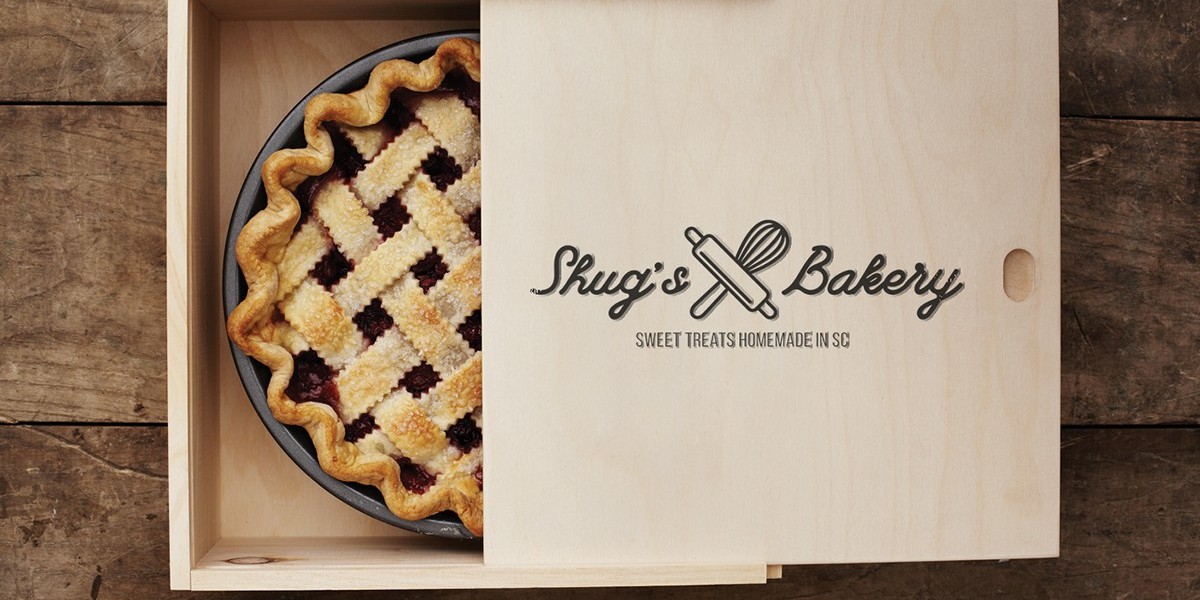
Pies are heavy, wide and prone to sliding, and a warm or juicy filling can soak through weak board. The box needs a firm base, sides tall enough to clear the crust and a snug fit so the pie doesn't shift. Custom Pie Boxes with a window, a grease-resistant coating and locking corners let customers see the crust and carry the pie level, with sizes for standard eight-, nine- and ten-inch pies as well as deep-dish styles.
Slices, Cakes and Cookies
Single slices need small trays with a clear lid so the layers stay visible. Cakes need height, a firm base and a close fit. A box that is too large lets the cake slide, and one that is too small crushes the frosting. Measure your tallest product, then add about half an inch of clearance. Cookies do best with dividers or inserts that hold each piece in place.
Holiday and Gift Orders
Thanksgiving, Christmas and family gatherings bring a wave of pie orders, often picked up in a rush. Custom Pie Boxes with handles, a ribbon slot or a printed message make a gift feel special, and a stackable design helps you store and move large batches. A consistent look across every order also makes your bakery easy to recognize on a crowded dessert table.
Materials and Finishes That Work
The right material depends on weight, moisture and budget:
- White paperboard: A clean surface that prints bright colors well.
- Kraft paperboard: Natural, recyclable and a good fit for artisan branding.
- Corrugated board: Extra strength for heavy pies, cakes or delivery orders.
- Rigid board: A premium feel for gift sets and special occasions.
Anything touching food directly should use a food-safe liner, parchment or coated interior. Keep printed ink away from unwrapped products, and ask your supplier which coatings and papers are approved for food use. For finishes, matte lamination looks refined, gloss makes colors pop and foil stamping adds shine to a logo. Ask for a full quote that spells out what's included, since windows, inserts and special sizes can change the price noticeably. Custom Bakery Packaging Boxes with several upgrades can cost much more than the base unit price suggests.
Design Tips That Help Your Boxes Sell
Simple designs read faster and print more cleanly. Follow these steps:
- Lead with your logo. Make it clear from a few feet away.
- Limit your palette. Two or three colors look polished and keep printing costs down.
- Show what's inside. A window or a printed image helps customers decide quickly.
- Print useful details. Add ingredients, allergen notes and storage or reheating tips where needed.
- Make it easy to carry. Consider handles, tabs or a flat top that stacks well.
- Test with real product. Pack a sample and check it after a few hours for stains, steam and crushing.
Keep your branding consistent across every size so customers recognize you at a glance. Custom Bakery Packaging Boxes work best when they look like part of the same family, from a single cookie carton to a tiered cake box.
Plan Your Sizing, Quantities and Timeline
Printing and delivery take time, so build a schedule before you need the boxes. A workable plan looks like this:
- Weeks 1 to 2: Choose styles, sizes and quantities.
- Weeks 2 to 3: Approve artwork and request samples.
- Weeks 4 to 6: Production and shipping.
- Final week: Receive boxes and train staff to assemble them quickly.
Minimum order quantities vary, so ask early. If you're unsure how many to buy, look at your busiest month and add a 10 to 15 percent buffer. Ordering Custom Bakery Packaging Boxes too late can mean rush fees or empty shelves during your busiest days, so leave room for delays.
Frequently Asked Questions
How long does it take to get printed bakery boxes?
Plan for several weeks from final artwork to delivery. Samples, proofs and shipping can add time, so order well before a busy season.
Are Custom Pie Boxes worth it for a small shop?
Often, yes. A branded box in a standard size costs less than a fully custom structure, protects the crust and filling, and turns every order into advertising.
Are printed boxes safe for food?
Yes, when the food touches a food-safe liner, wrapper or coated interior rather than printed surfaces. Confirm approved materials with your supplier.
Final Thoughts
Good packaging protects your work, supports your brand and gives customers a reason to come back. Choose a structure that fits each product, use food-safe materials, keep the design clean and order early. Done well, Custom Bakery Packaging Boxes turn every sale into a small moment of trust.