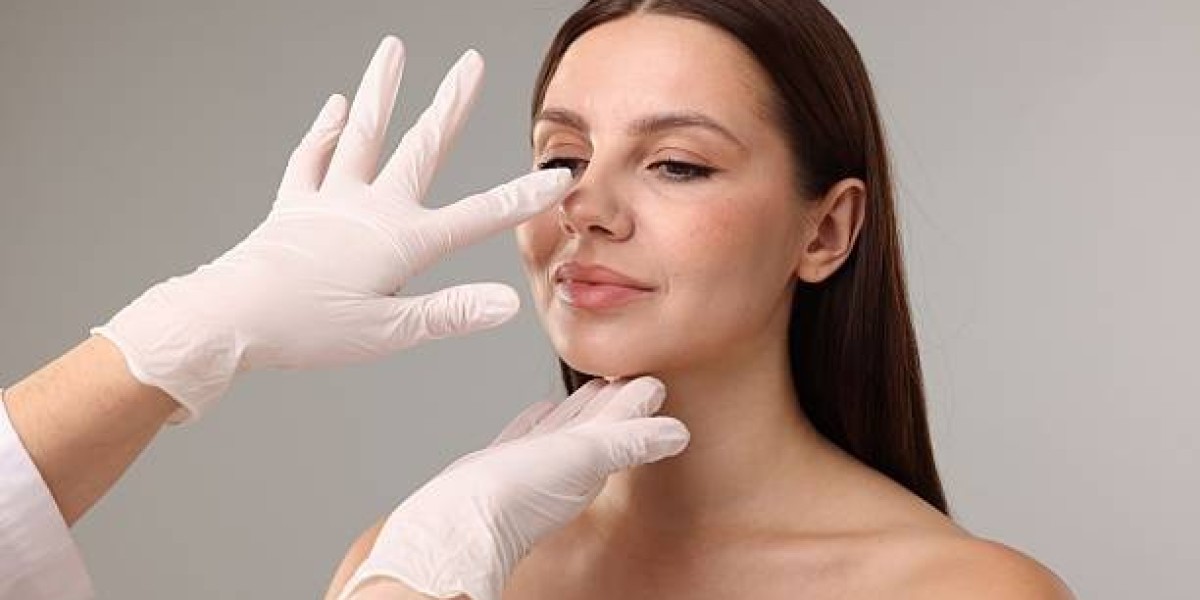

A bump on the bridge of the nose can make the nasal profile appear uneven and affect overall facial balance. It may be caused by natural bone and cartilage development, genetics, or a previous nasal injury. Many people explore Rhinoplasty in Riyadh (عملية تجميل الانف في الرياض) to reduce a prominent nasal hump and achieve a smoother, more balanced nose shape. Rhinoplasty can often improve the appearance of a nose bump by carefully reshaping the underlying bone and cartilage. The right approach depends on the size of the bump, nasal structure, breathing function, and the individual's aesthetic goals.
What Causes a Bump on the Nose?
A nose bump, often called a dorsal hump, is a raised area along the bridge of the nose. It may be more noticeable from the side and can vary in size and shape from person to person.
Genetics and Natural Nasal Structure
Some people naturally develop a prominent nasal bridge because of inherited bone and cartilage characteristics. The bump may become more noticeable as the nose grows and facial features mature.
Previous Nasal Injuries
An impact from a fall, sports injury, or accident can alter the nasal bones or cartilage. If these structures heal unevenly, a bump may develop or become more prominent.
Changes in Bone and Cartilage
The shape of the nose depends on the relationship between bone, cartilage, and surrounding soft tissue. A raised bridge can result from the natural arrangement of these structures rather than a single isolated feature.
Identifying the cause helps a surgeon determine whether reshaping the nasal bridge alone is appropriate or whether other structural changes are needed.
Can Rhinoplasty Remove a Nose Bump?
Yes, rhinoplasty can often reduce or remove a dorsal hump. During surgery, the surgeon carefully reshapes the excess bone and cartilage to create a smoother nasal bridge. The amount of reshaping depends on the patient's anatomy and the result they hope to achieve.
With Rhinoplasty in Riyadh, the treatment plan should consider the nose from the front, side, and three-quarter angles. This helps the surgeon evaluate how reducing the bump may affect the overall nasal shape and facial proportions.
Removing a bump does not necessarily mean making the nose very small or completely straight. A natural-looking result often involves preserving suitable nasal support and maintaining harmony with the chin, forehead, and other facial features.
How Does Rhinoplasty Correct a Nose Bump?
The procedure begins with a consultation and examination. The surgeon assesses the nasal bridge, skin thickness, cartilage, bone structure, and breathing function. They also discuss the patient's expectations and explain what changes may be achievable.
During surgery, the surgeon reshapes the raised bone and cartilage using techniques selected for the individual's anatomy. Depending on the size of the hump and the desired profile, additional adjustments may be needed to refine the nasal tip or improve overall balance.
In some cases, reducing a large bump changes the shape of the nasal bridge enough that further adjustments are required to maintain a stable and proportionate structure. The exact technique varies from person to person.
What Are the Different Options for Nose Bump Correction?
The best option depends on whether the patient wants a permanent structural change or a temporary cosmetic improvement.
Surgical Rhinoplasty
Surgical rhinoplasty is commonly used when a patient wants to reduce a prominent bone-and-cartilage hump. It allows the surgeon to reshape the underlying nasal framework and make more substantial changes to the profile.
Closed Rhinoplasty
In closed rhinoplasty, incisions are made inside the nostrils. This approach may be suitable for selected cases, depending on the complexity of the changes required and the surgeon's assessment.
Open Rhinoplasty
Open rhinoplasty involves a small incision across the columella, the tissue between the nostrils, along with internal incisions. It can provide greater visibility of the nasal framework and may be useful for more complex reshaping.
Non-Surgical Nose Contouring
Dermal fillers may sometimes be used to camouflage a small bump by adding volume around it, creating the appearance of a smoother profile. However, fillers do not remove the bump or reduce the nose's size. They are temporary and carry important risks because nasal filler injections can cause serious complications, including skin damage and vision loss. Treatment should only be considered after assessment by a suitably qualified medical professional.
Who Is a Good Candidate for Nose Bump Rhinoplasty?
A good candidate is generally someone whose nasal growth is complete, who is in suitable overall health, and who has realistic expectations about the outcome. People who feel that a prominent bridge affects their facial balance may consider a consultation.
Individuals with a history of nasal injury or breathing difficulties should mention these concerns during their assessment. The surgeon may need to evaluate the septum and internal nasal passages before recommending treatment.
People considering Rhinoplasty in Riyadh should also discuss previous nasal procedures, existing medical conditions, allergies, and medications. These details help the surgeon plan a suitable approach and explain potential risks.
What Is Recovery Like After Nose Bump Rhinoplasty?
After surgery, swelling, bruising, congestion, and mild discomfort are common. A splint may be placed on the nose to support the healing tissues, and patients should follow all postoperative instructions carefully.
Most noticeable bruising and swelling improve over the first few weeks, although the nose may remain swollen for several months. Subtle changes, particularly around the bridge and tip, can continue for a year or longer before the final result becomes clear.
Patients should avoid strenuous activity, contact sports, and pressure on the nose until their surgeon confirms these activities are safe. Follow-up appointments allow the surgeon to monitor healing and address any concerns.
Are There Risks to Removing a Nose Bump?
Rhinoplasty is a surgical procedure, so it carries risks such as bleeding, infection, scarring, prolonged swelling, changes in sensation, breathing difficulties, and dissatisfaction with the result. In some cases, irregularities may remain or develop during healing, and revision surgery may be considered.
The surgeon must also preserve adequate structural support while reshaping the bridge. Removing too much bone or cartilage can affect nasal stability and appearance. A careful assessment and realistic treatment plan help reduce avoidable complications, although no procedure is risk-free.
Book a Rhinoplasty Consultation at Royal Clinic Saudia
If a nose bump affects your confidence or the balance of your facial features, a professional consultation can help you explore suitable options. Contact Royal Clinic Saudia (عيادات رويال كلينك) to discuss your concerns, understand the potential benefits and limitations of rhinoplasty, and receive guidance based on your nasal structure and aesthetic goals.
FAQs:
Can rhinoplasty completely remove a nose bump?
Rhinoplasty can often remove or significantly reduce a nasal hump. The final result depends on the size of the bump, the underlying bone and cartilage, skin characteristics, and the healing process.
Will my nose look smaller after a bump is removed?
The nose may appear less prominent from the side, but the overall change depends on the surgical plan. Removing a bump does not always make the entire nose smaller, as the surgeon may need to preserve its proportions and structural support.
Can a nose bump return after rhinoplasty?
A prominent bump may not return in the same form, but healing changes, residual cartilage, or structural factors can cause an uneven appearance to remain or develop. Your surgeon can explain the likelihood of these issues based on your anatomy.
Is non-surgical treatment effective for a nose bump?
Fillers may camouflage a small bump temporarily by adding volume around it, but they cannot remove bone or cartilage. Nasal filler injections also carry serious risks, so a qualified medical professional should carefully assess whether this option is appropriate.