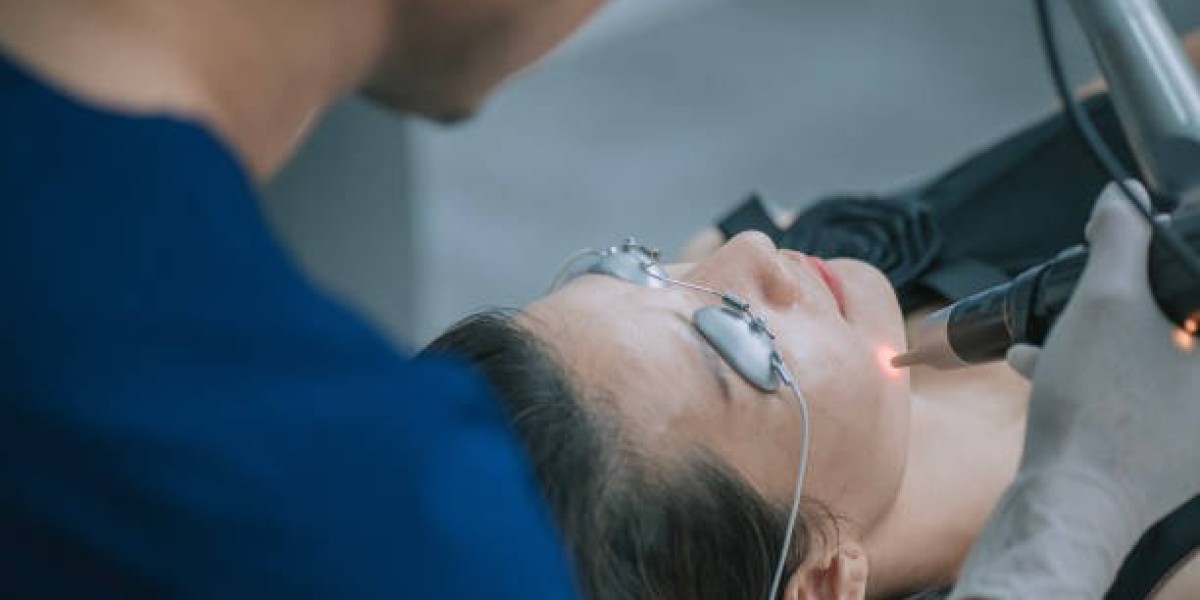

Choosing the right skin rejuvenation treatment can make a difference in how you address acne scars, uneven skin texture, fine lines, and visible pores. Fractional laser treatment and microneedling are two popular procedures designed to stimulate collagen production and improve the skin’s appearance, but they work in different ways. Understanding these differences can help you make a more informed decision when considering Fractional laser treatment in Riyadh (علاج فراكشنال ليزر في الرياض) for your skin concerns. The most suitable option depends on your skin type, treatment goals, sensitivity, and recovery preferences.
Both treatments encourage the skin’s natural repair process, helping improve texture and firmness over time. However, their techniques, intensity, and potential side effects differ. While fractional lasers use targeted light energy to create controlled areas of thermal injury, microneedling uses fine needles to produce tiny punctures in the skin. If you are comparing Fractional laser treatment in Riyadh with microneedling, understanding how each procedure works can help you discuss your options with a qualified skincare professional.
What Is Fractional Laser Treatment?
Fractional laser treatment uses laser energy to target microscopic areas of the skin while leaving surrounding tissue relatively untouched. This targeted approach activates the skin’s natural healing response and encourages collagen remodeling, which can gradually improve skin texture and the appearance of certain scars.
Depending on the device, fractional lasers may be ablative or non-ablative. Ablative lasers remove tiny columns of skin, while non-ablative lasers heat deeper tissue without removing the outer skin layer. The appropriate technology depends on the condition being treated, the desired outcome, and the patient’s skin characteristics.
Fractional laser procedures may help improve acne scars, fine lines, rough texture, and some forms of sun damage. However, results vary, and certain pigmentation concerns require particular care because laser treatment can sometimes worsen discoloration, especially in darker skin tones.
What Is Microneedling?
Microneedling is a minimally invasive procedure that uses a specialized device with fine needles to create controlled micro-injuries in the skin. These tiny punctures stimulate the body’s natural wound-healing process and support collagen and elastin production.
The treatment is commonly used to address mild acne scarring, uneven texture, enlarged pores, and early signs of skin aging. Some treatment plans incorporate topical products, but these should only be used during or after microneedling when specifically considered safe by the treating professional. Applying unsuitable substances to freshly treated skin can cause irritation or complications.
Microneedling generally involves limited downtime, although temporary redness, swelling, sensitivity, and pinpoint bleeding may occur. Multiple sessions are often recommended to achieve gradual improvements.
What Are the Main Differences Between Fractional Laser and Microneedling?
How Each Treatment Works
Fractional laser treatment uses focused light energy to create controlled thermal effects within the skin. Depending on the laser type, it may also remove microscopic portions of the skin’s surface. This allows the treatment to target particular concerns at different depths.
Microneedling relies on mechanical stimulation rather than laser energy. The needles create tiny channels that activate the healing response. Because the mechanisms differ, the treatments are not interchangeable, and the best option depends on the specific concern being addressed.
Effectiveness for Acne Scars
Both treatments can improve the appearance of selected acne scars by stimulating collagen remodeling. Fractional lasers may be particularly useful for certain textural irregularities and more noticeable scars, although the outcome depends on the laser type and scar characteristics.
Microneedling may be suitable for mild to moderate textural acne scarring and can be an option for people seeking gradual improvement. Deep, narrow scars or tethered scars may require other approaches, such as subcision or targeted procedures. A professional assessment helps determine which treatment, or combination of treatments, is appropriate.
Skin Texture, Pores, and Fine Lines
Fractional laser treatment can improve rough skin texture, some fine lines, and visible signs of sun damage. The depth and intensity of treatment influence the expected results and recovery period.
Microneedling can also support smoother-looking skin and improve the appearance of enlarged pores and early fine lines. Neither treatment permanently closes pores or stops the natural aging process. Improvements develop gradually as collagen remodeling takes place.
Downtime and Recovery
Recovery varies according to the device, treatment intensity, and individual skin response. Non-ablative fractional lasers may involve a shorter recovery than ablative fractional lasers, which can cause more pronounced redness, swelling, peeling, and crusting.
Microneedling usually causes temporary redness and sensitivity, often settling within a few days, although recovery varies. More intensive sessions can produce longer-lasting irritation. Patients should follow their provider’s aftercare instructions and avoid exfoliating products, excessive heat, and direct sun exposure while the skin recovers.
Which Treatment Is Better for Different Skin Types?
Skin type and pigmentation risk are important factors when choosing a procedure. Some fractional lasers can trigger post-inflammatory hyperpigmentation, particularly in darker skin tones or skin prone to discoloration. Microneedling may carry a lower risk of certain heat-related pigment changes, but it can still cause inflammation, pigmentation changes, or scarring when performed inappropriately.
People with active skin infections, inflamed acne, open wounds, or certain skin conditions may need to postpone either procedure. Those with a history of keloid scarring or problems with wound healing should discuss these risks before treatment.
For patients considering Fractional laser treatment in Riyadh, a consultation should include an assessment of skin tone, sensitivity, medical history, current skincare products, and previous treatments. The clinician can then recommend an appropriate approach and explain the likely benefits and limitations.
Can Fractional Laser and Microneedling Be Combined?
In some cases, a professional may recommend both procedures as part of a longer-term skin rejuvenation plan. They should not automatically be performed together or too close to one another, because treating skin before it has recovered can increase irritation and other complications.
The treatment sequence depends on the skin concern, the intensity of each procedure, and the individual’s healing response. A qualified provider can determine whether combining treatments is appropriate or whether one method alone is the safer choice.
How to Choose the Right Treatment for Your Skin
The best treatment is not necessarily the most intensive one. Consider the concern you want to improve, the amount of downtime you can manage, your skin’s tendency to develop pigmentation, and the results that are realistic for your condition.
Fractional laser treatment may be considered when targeted resurfacing or more substantial improvement in selected textural concerns is desired. Microneedling may be appropriate for gradual collagen stimulation with generally limited downtime. Neither procedure guarantees complete scar removal or flawless skin, and several sessions may be needed.
Before choosing Fractional laser treatment in Riyadh, arrange a consultation with a qualified skincare professional. Ask about the recommended device or technique, expected recovery, possible side effects, and alternatives. A personalized assessment is the most reliable way to choose a treatment that matches your skin’s needs.
Book a Skin Consultation at Royal Clinic Saudia
If you are considering fractional laser treatment or microneedling, Royal Clinic Saudia (عيادات رويال كلينك) can help you explore suitable options for your skin concerns. Book a consultation to discuss your goals, assess your skin, and develop a personalized treatment plan based on professional guidance.
FAQs:
Is fractional laser more effective than microneedling?
Neither treatment is universally better. Fractional laser may be more suitable for certain scars and resurfacing concerns, while microneedling can help improve mild textural irregularities and early signs of aging. The best choice depends on your skin and treatment goals.
Which treatment has less downtime?
Microneedling generally involves less downtime than ablative fractional laser treatment. However, recovery depends on the intensity of the procedure, the device used, and your individual skin response. Some non-ablative fractional lasers also have relatively short recovery periods.
Can microneedling and fractional laser remove acne scars completely?
Neither treatment can guarantee complete acne scar removal. Both may reduce the appearance of certain scars by supporting collagen remodeling, but deep or tethered scars may need additional treatments. Results vary according to scar type and skin characteristics.
Is fractional laser treatment safe for darker skin tones?
Some fractional lasers can be used on darker skin tones, but the choice of device and settings is important because pigmentation changes can occur. A qualified professional should assess your skin type and history before treatment and explain the potential risks and alternatives.